




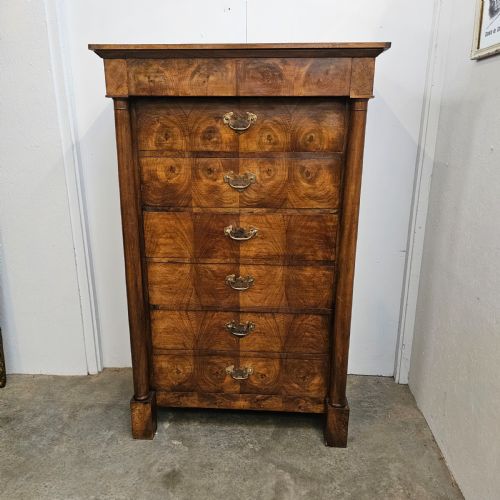


French Tallboy Dresser
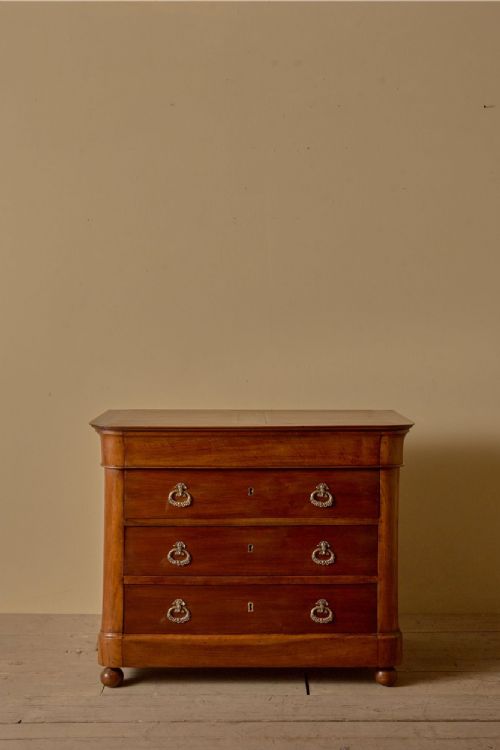
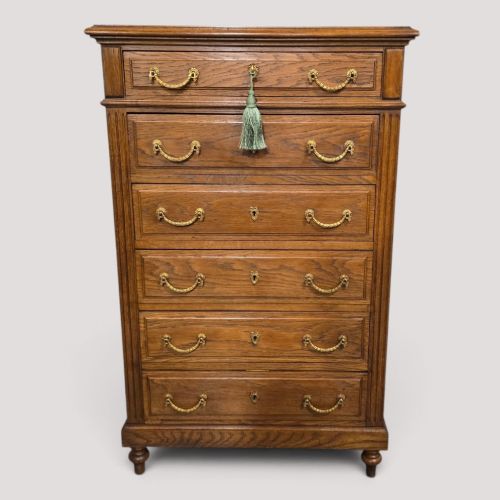
These French tallboy dresser pieces offer generous vertical storage with distinctive Continental proportions, bringing classical timber figure and marble surfaces into the bedroom.
French Tallboy Dresser
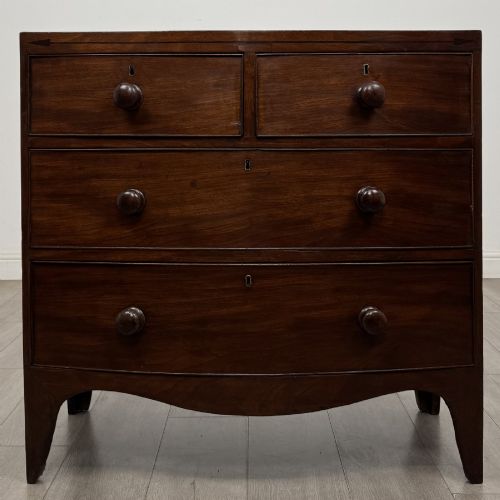
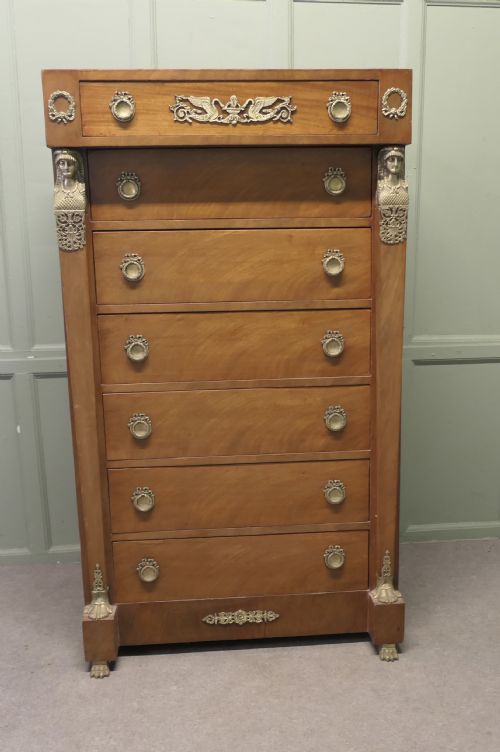
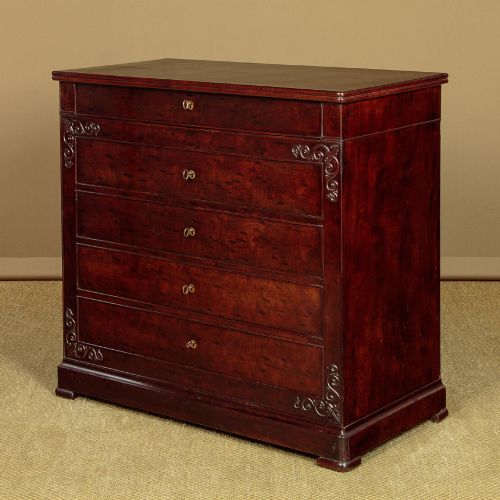
A French tallboy dresser typically manifests as a tall chest of drawers or a multi-drawer commode, designed to maximise vertical capacity while occupying a compact floor footprint. The selections span from the eighteenth century through to the 1930s, encompassing formal Empire styles and provincial oak constructions.
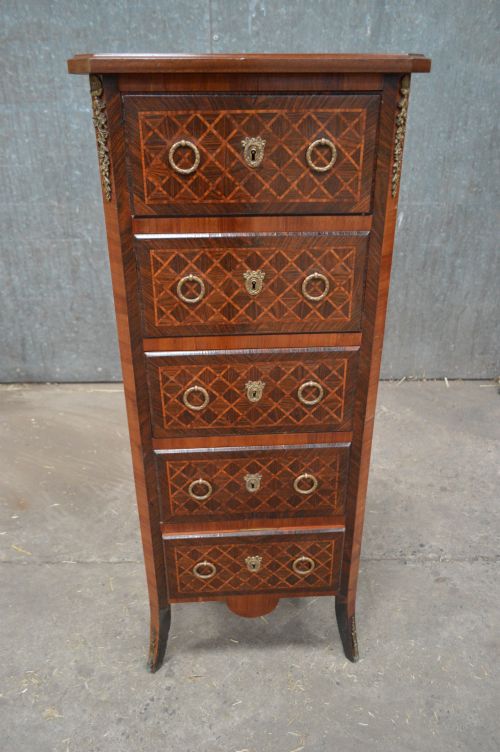
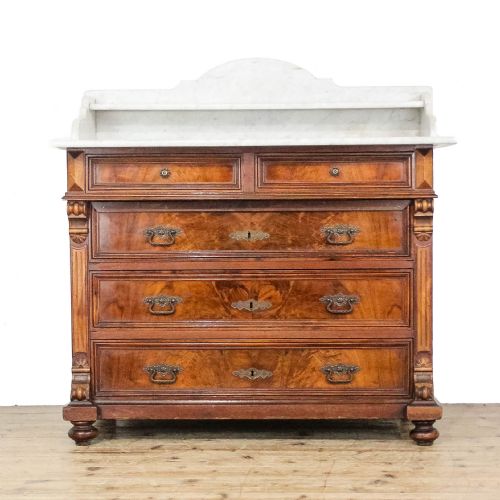
Buyers encounter formats ranging from six-drawer walnut tall chests to narrower brass-inlaid rosewood designs and parquetry wellington chests. Many incorporate marble tops and elaborate ormolu mounts, reflecting diverse regional aesthetics from French Provincial to Louis Philippe.
The primary object types are chests of drawers, often configured with tall proportions that distinguish them from standard low commodes. Pieces arrive from various eras, including distinct nineteenth-century outputs and early twentieth-century revivals.
How they were made
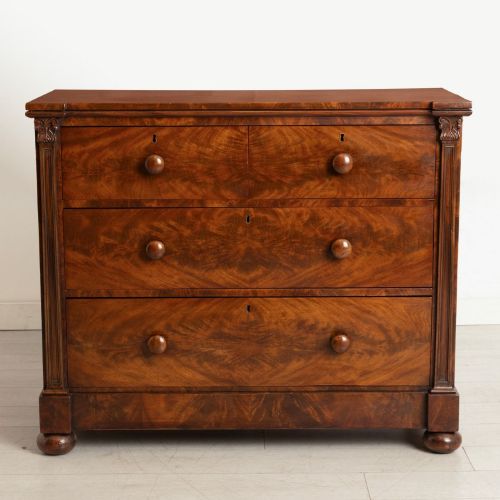
Cabinetmakers utilised dense hardwoods such as mahogany, walnut, burr walnut, rosewood and oak as the foundational carcasses for these tall chests. Surfaces frequently display bookmatched veneers, parquetry patterns and flame mahogany figures.
Decorative detailing relies on cast brass handles, ormolu mounts and occasional faux bamboo turnings to enrich the timber framework. Heavy slab marble tops appear across numerous examples, resting directly upon the upper frames of the chests.
French Tallboy Dresser Retail Price Guide 2026
Typical asking prices for french tallboy dresser among the pieces listed under this phrase on Sellingantiques today, from the lower quarter to the upper quarter. They describe what is for sale here now, not the wider market.
Some nineteenth-century makers incorporated clever faux bamboo turnings alongside heavy marble tops, uniting tropical whimsy with solid classical heft.
What varies in quality
Distinctions in quality rest upon the selection of timber figures, such as the depth of grain in burr walnut or flame mahogany veneers, and the precision of bookmatching. Superior examples employ finer hardwoods throughout the internal drawer linings rather than secondary softwoods.
The refinement of bronze ormolu mounts and the crispness of carved details set elite pieces apart from simpler provincial builds. Integrity of the fitted marble tops and the smoothness of drawer operations further define the hierarchy of execution.
The French Tallboy Dresser Glossary
- Ormolu
- Gilt bronze mounts applied to furniture for decorative enrichment. These metallic elements add architectural contrast to dark timbers.
- Parquetry
- Geometric wood mosaic work used for surface decoration on tabletops and drawer fronts. Cabinetmakers arrange contrasting timber veneers to create intricate patterns.
- Flame mahogany
- A veneer cut from the fork of the mahogany tree that produces a distinctive flame-like pattern. It was favoured by cabinetmakers for prominent drawer facades.
- Wellington chest
- A tall, narrow chest of drawers secured by a hinged locking stile on one side. This form provides substantial vertical storage with a small footprint.
- Louis Philippe
- A mid-nineteenth-century French style characterised by restrained elegance and minimal ornamentation. Pieces from this period rely on simple curved lines and choice timber grains.
French Tallboy Dresser: Frequently Asked Questions
Where should I place a tall chest?
These tall chests suit bedrooms or dressing areas where floor space is limited but vertical storage capacity is required. Their narrow footprints allow them to fit efficiently against bedroom walls without dominating the room.
Ensure adequate clearance for opening drawers and consider the weight of marble-topped variants when selecting upper-floor locations.
How do I identify an Empire style piece?
Empire style pieces display classical architectural influences, often featuring bookmatched walnut or mahogany veneers paired with gilt bronze mounts. The silhouettes are typically upright and monumental, reflecting early nineteenth-century design tastes.
Look for symmetrical drawer arrangements and restrained classical motifs that give the furniture an imposing presence.
Are marble tops original to these chests?
Many nineteenth-century Continental chests were constructed specifically to carry fitted marble slabs on their upper surfaces. These heavy stone tops served as durable, practical dressing surfaces.
Inspect the seating of the stone to ensure it rests evenly within the wooden frame of the chest.
What is the difference between a commode and a tallboy?
A commode is traditionally a low chest of drawers, whereas a tallboy or tall chest extends vertically to provide multiple tiers of drawers. The elevated height offers significantly more storage while maintaining a compact width.
This makes tall variants particularly practical for rooms requiring maximum storage volume from minimal floor space.