


French Style Waterfall Chandelier
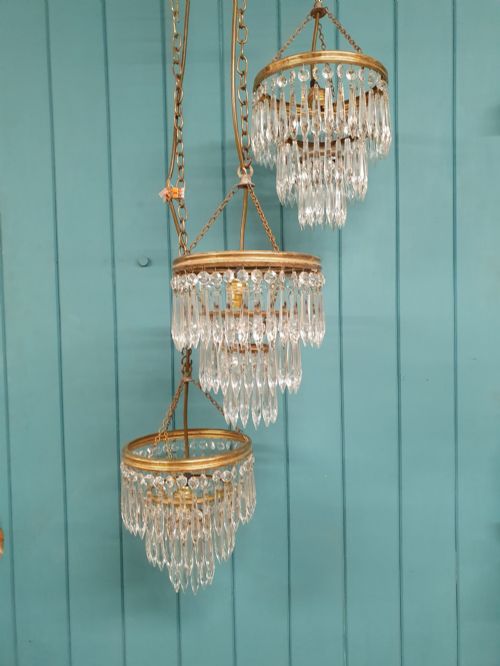
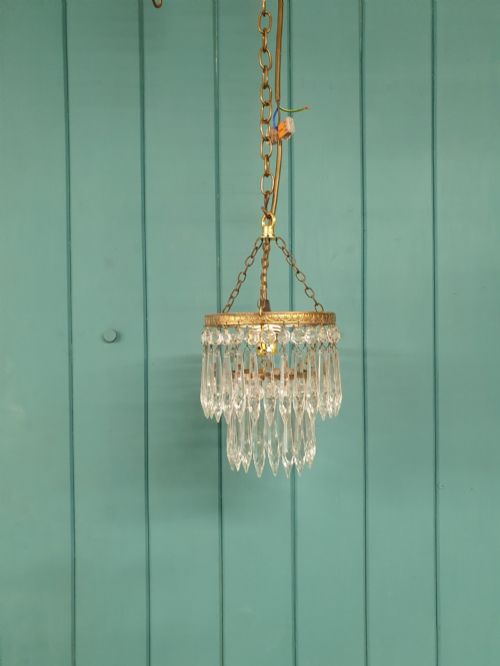
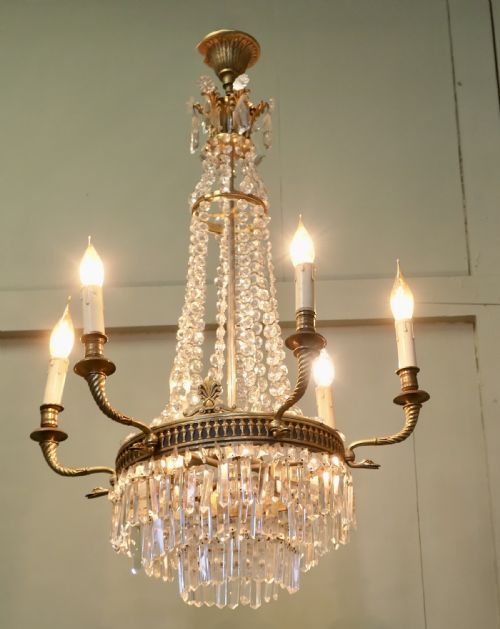
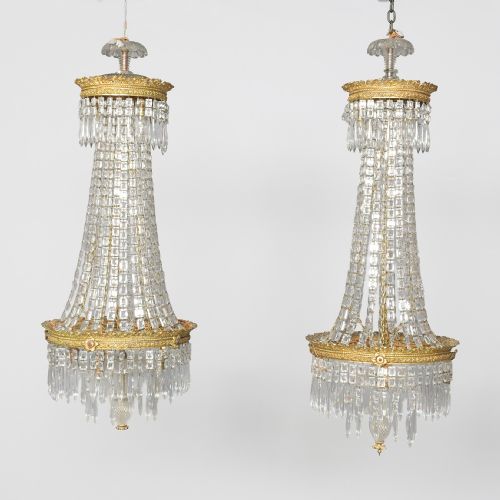
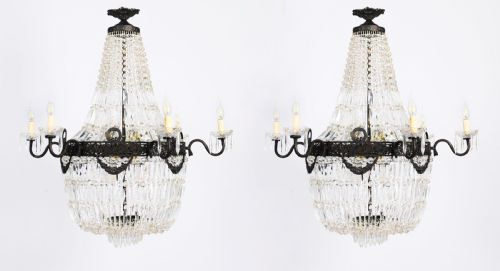
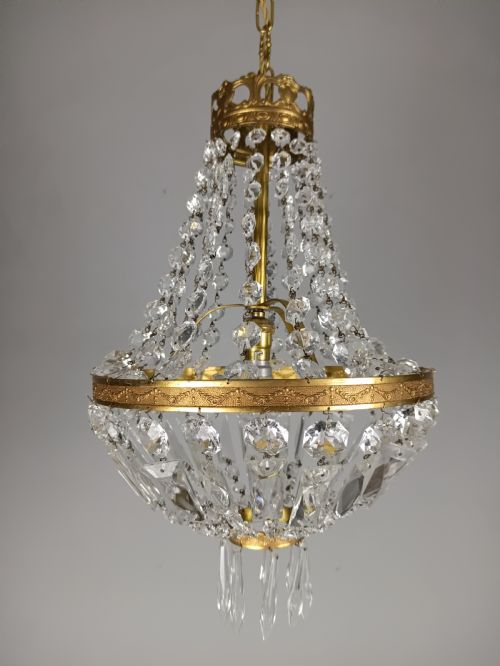
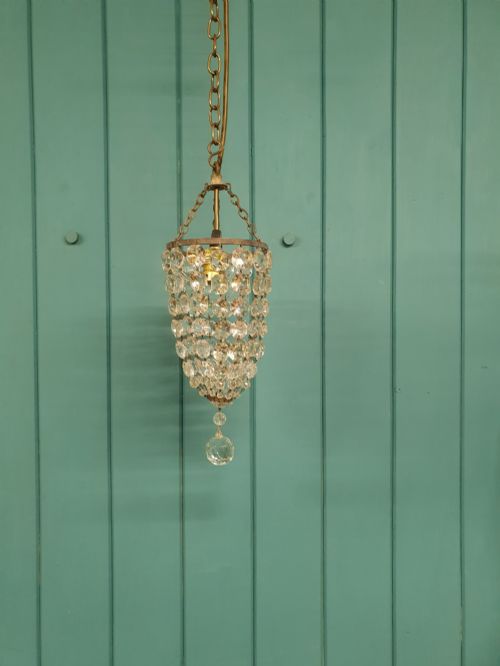
These french style waterfall chandelier pieces bring descending cascades of glass crystals and brass frames into a room, offering striking illumination.
French Style Waterfall Chandelier
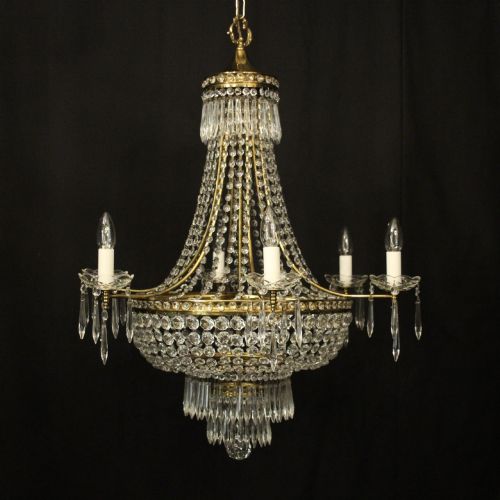
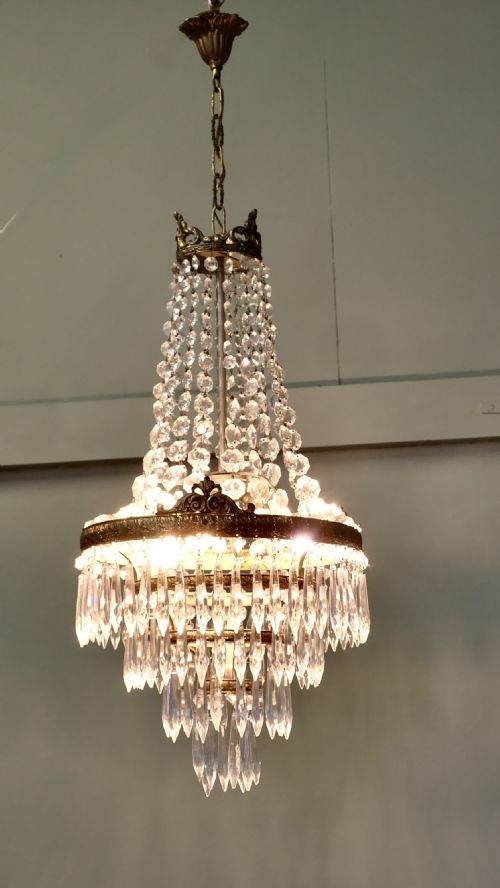
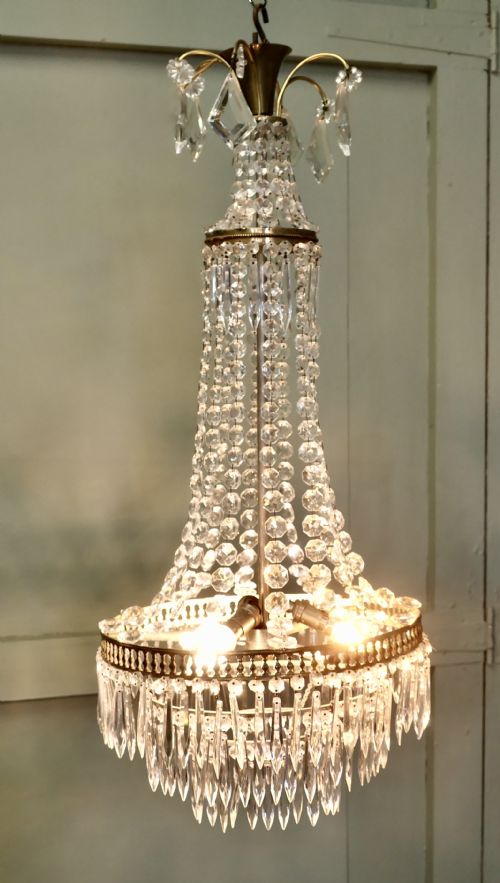
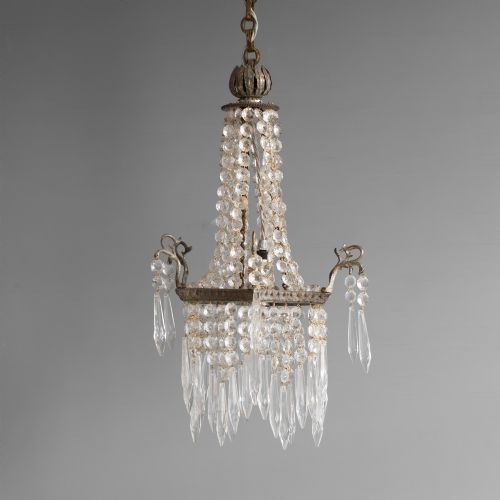
When searching for a french style waterfall chandelier, you examine ceiling lighting designed with cascading arrangements of glass or crystal drops suspended from a metal frame. These pieces often draw on French Empire and Edwardian aesthetics, featuring tent and bag formations that taper downward.
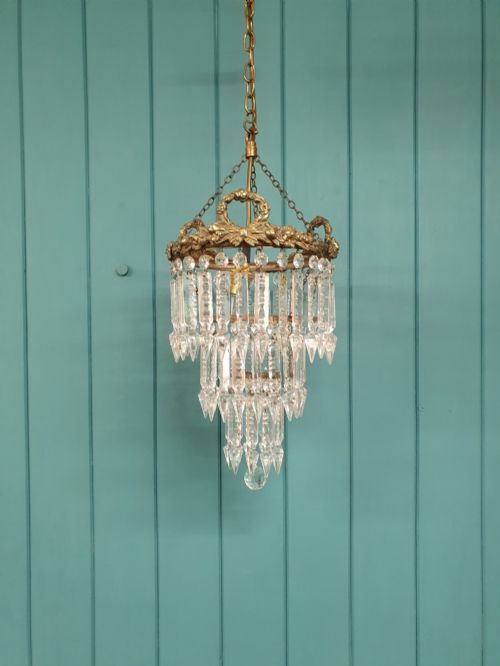
You are most likely to encounter early twentieth century and Edwardian examples on this page, alongside specific pieces dating back to the eighteenth century. Common formats include multi light tent and waterfall configurations, bag chandeliers, and spike chandeliers constructed with brass mounts.
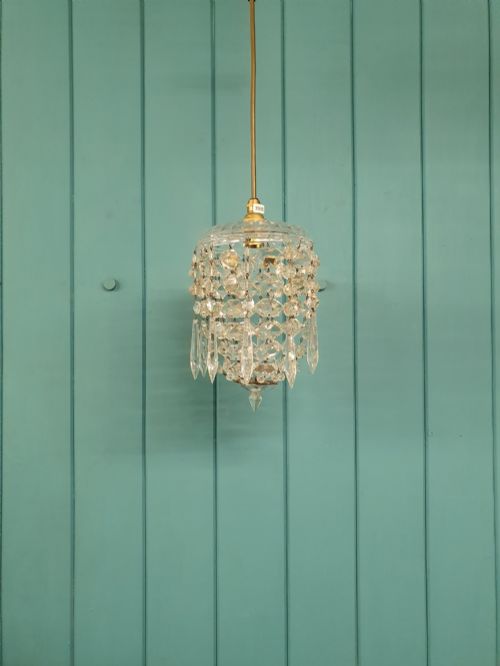
The objects span varied proportions, from compact six inch fixtures up to large ballroom chandeliers carrying numerous branches. Styles range from French Chateau and Regency influences to Art Deco and Mid Century Modern interpretations.
Materials and construction
Makers built these fixtures using brass and metal frames to support intricate glass components, including cut glass crystals, lustres, and beads. Wire frames also appear in select smaller formats supporting decorative glass elements.
Craftsmen shaped the glass and crystal into drops, prisms, and domes, wiring them together to form the characteristic tent and waterfall profiles. Brass mounts and gilt arms secure the glass elements while providing structural stability to the ceiling lights.
Judging quality in the fixtures
The standard of a french style waterfall chandelier rests on the clarity and depth of its cut glass crystal elements, alongside the precision of the brass framing. Heavier casting on the metal mounts and finer hand cutting on the glass drops separate more ambitious pieces from simpler utilitarian lighting.
Proportion and density of the crystal dressing define the visual impact of each fixture. Pieces featuring elaborate bead arrangements, blue prisms, or integrated gilt arms demonstrate superior design ambition compared to sparse configurations.
The French Style Waterfall Chandelier Glossary
- Tent and waterfall chandelier
- A lighting fixture featuring an upper conical section of glass strings resembling a tent that flows into a wider cascading waterfall drop below.
- Bag chandelier
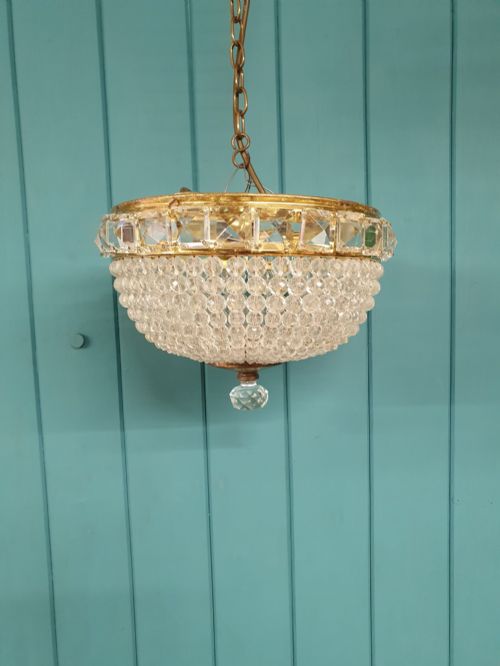
- A pendant light shaped like a flat bottomed bag or basket entirely covered in closely hung crystal drops and beads.
- Spike chandelier
- A vertical lighting design terminating in a central metal spike surrounded by glass or crystal ornamentation.
- Lustre
- A glass pendant or drop cut with facets to catch and reflect light from the internal lamp holders.
- French Empire style
- A classical design vocabulary characterised by symmetrical brass mounts, laurel motifs, and grand tent structures influenced by nineteenth century French taste.
French Style Waterfall Chandelier: Frequently Asked Questions
How do I hang a heavy crystal chandelier safely?
These fixtures require direct attachment to ceiling joists using a steel mounting hook capable of supporting the combined weight of brass and glass. Professional installation ensures the electrical wiring and ceiling support bear the load securely.
Position the fixture at a height that clears head traffic while anchoring the canopy flush against the ceiling surface to maintain stability.
How should I clean the crystal drops?
Remove dust using a soft microfiber cloth or a dedicated long handled dusting brush while the chandelier hangs in place. For deeper cleaning, apply a specialist glass cleaning solution to a cloth and wipe each crystal individually.
Avoid spraying liquid directly onto the brass frame or electrical fittings to prevent corrosion and wiring damage.
What rooms suit a French Empire style light?
These grand fixtures suit formal dining rooms, high ceilinged hallways, and drawing rooms where their vertical cascade can command the space. Their reflective glass elements brighten rooms with limited natural light.
Pair them with period architectural details like ceiling roses and cornicing to complement their classical proportions.