





Vintage Cut Glass Droplets
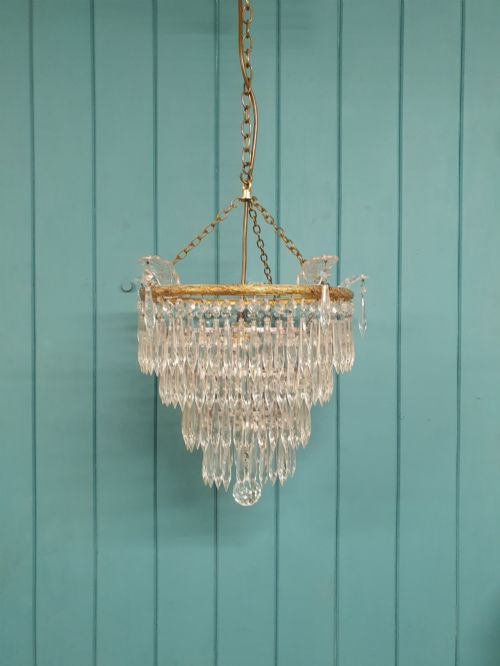
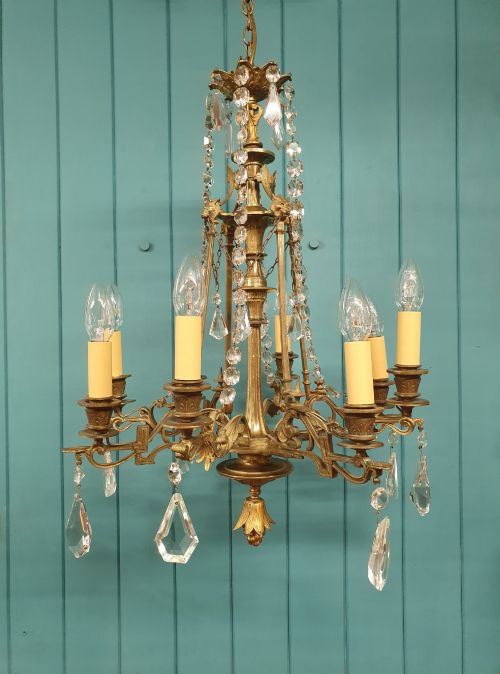
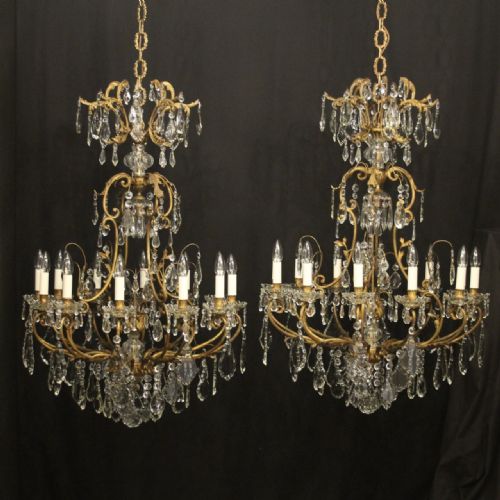
These vintage cut glass droplets catch and scatter candlelight across a room, bringing the brilliant refractive depth of early twentieth century chandeliers.
Vintage Cut Glass Droplets
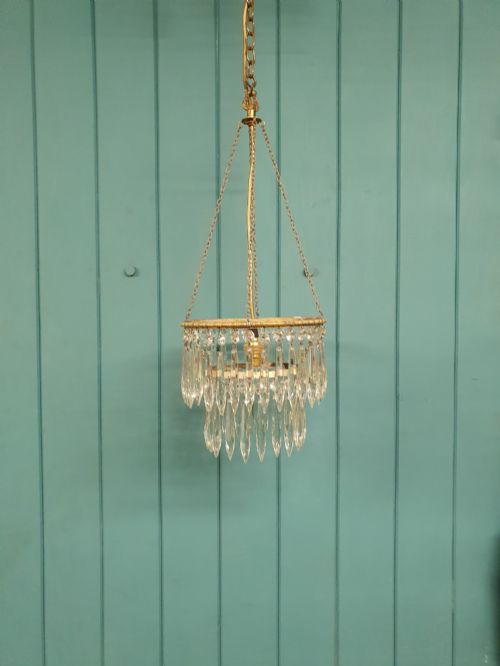
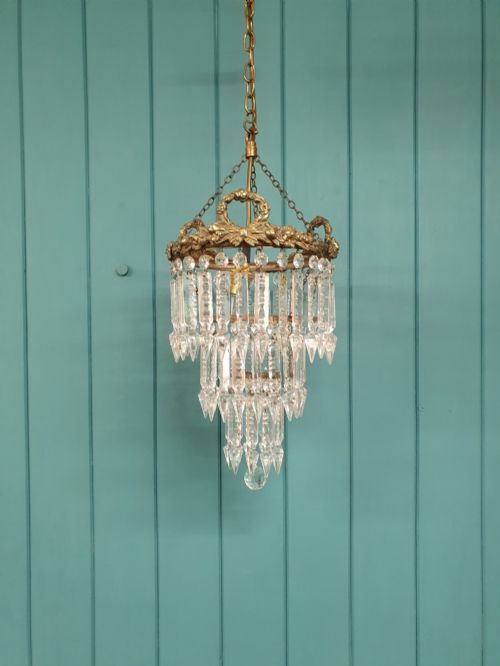
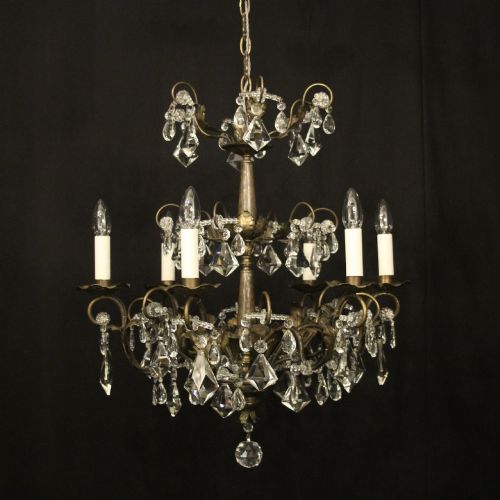
Vintage cut glass droplets form the sparkling fringes, swags and pendants of early twentieth century lighting fixtures. When searching for vintage cut glass droplets, collectors typically encounter components harvested from chandeliers, wall lights and candelabra of the Edwardian era, 1900, and the 1920 to 1930 decades.
The selections here showcase pieces originating from distinct design movements such as Arts and Crafts, Art Deco, French Chateau and Italian Neo-Classical styles. These hanging prisms define the character of larger ceiling lights and basket chandeliers by multiplying the illumination through faceted geometry.
How they were made
The materials recorded in these listings rely primarily on clear crystal, cut glass, brass, gilt metal and silvered metal. Artisans shaped the glass components through meticulous cutting and polishing by hand to maximise internal reflection.
Metal mounts and pins secure individual prisms to frames using brass, bronze and silver gilded structures. This combination of heavy metal casting and precision glass cutting produces durable components designed to hang in tension from multi armed chandeliers.
Vintage Cut Glass Droplets Retail Price Guide 2026
Typical asking prices for vintage cut glass droplets among the pieces listed under this phrase on Sellingantiques today, from the lower quarter to the upper quarter. They describe what is for sale here now, not the wider market.
Listings feature cut glass droplets from Edwardian, 1900, 1920 and 1930 periods, mounted across French Chateau, Arts and Crafts, and Maria Theresa styles.
What varies in quality
The distinction between ordinary and superior glass droplets rests on the sharpness of the facets and the clarity of the material itself. Heavier crystal compositions with deep hand cut geometric patterns refract light with greater brilliance than simpler moulded glass counterparts.
Mounting hardware also dictates overall quality, with solid brass, gilt metal and gilded bronze frames providing superior structural integrity compared to lighter plated alternatives. The precision with which individual drops are wired or pinned to the main frame separates standard production from finer decorative work.
The Vintage Cut Glass Droplets Glossary
- Droplet
- A small, faceted piece of glass or crystal suspended from a lighting fixture to refract light. These components hang from pins and rings across various chandelier styles.
- Bag chandelier
- A lighting fixture featuring a lower gathered section of glass drops shaped like a bag or basket. This form concentrates masses of cut glass droplets beneath the primary arms.
- Lustre
- A decorative glass vase or pendant fitted with hanging glass prisms designed to catch the light. Edwardian examples often incorporate these prismatic elements to enhance overall brilliance.
- Maria Theresa
- A classical chandelier style characterised by flat metal strapwork completely covered in glass plates and droplets. These elaborate frames originate from historical European court designs.
- Candelabra
- A branched candlestick holder adapted for multiple candles or electrified arms. Many period examples integrate hanging crystal droplets around the drip pans.
Vintage Cut Glass Droplets: Frequently Asked Questions
What are vintage cut glass droplets?
Vintage cut glass droplets are small, faceted crystal or glass pendants suspended from early twentieth century lighting fixtures. They serve to scatter and multiply the illumination cast by candles or electric bulbs.
These components are typically salvaged or preserved from Edwardian, 1900, and 1920s chandeliers, wall lights and candelabra. Their geometric cuts and polished surfaces define the sparkle of period glasswork.
How were these glass drops used?
Makers hung these glass droplets in swags, fringes and clusters around the frames of grand ceiling lights and wall sconces. Their primary purpose was to amplify the candlepower of historic rooms through optical refraction.
They also served a decorative role, masking the metal armature of chandeliers with shimmering cascades of crystal. Today they remain essential for restoring period lighting fixtures to their original appearance.
How do I clean cut glass droplets?
Cleaning cut glass droplets requires gentle washing with warm water and a mild, non abrasive detergent solution. Harsh chemicals can damage the delicate metal pins or dull the surface polish of the glass.
Many collectors wash individual drops by hand while still attached to the frame if secure, or remove them entirely for soaking. Thorough drying with a lint free cloth restores their full brilliance.
Can I mix different styles of droplets?
Mixing different styles of glass drops alters the historical consistency of a restored chandelier or wall light. Matching the cut pattern, glass clarity and period is important for maintaining visual harmony.
Edwardian and 1920s fixtures generally feature distinct facet styles that differ from earlier Victorian or later modernist designs. Paying attention to the cut geometry ensures a balanced appearance.
How do I date glass droplets?
Dating cut glass droplets depends on examining the manufacturing technique, the lead content of the crystal, and the matching metal pins. Hand cut facets and heavy crystal indicate earlier Edwardian and 1900 origins.
Context also helps, as droplets sourced from dated basket chandeliers, bag chandeliers, or Maria Theresa fixtures provide reliable chronological markers. Subtle variations in the tint of the glass further point to specific eras.