

French Style Vanity Table
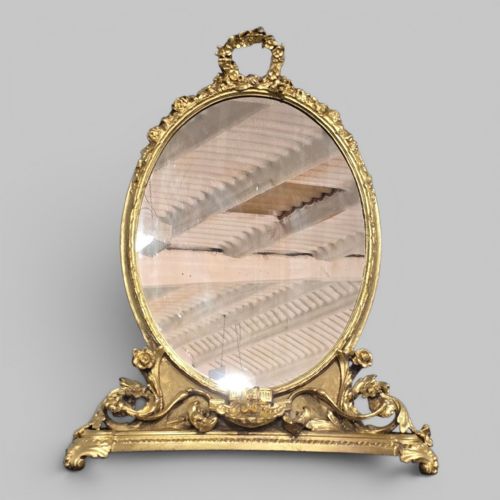
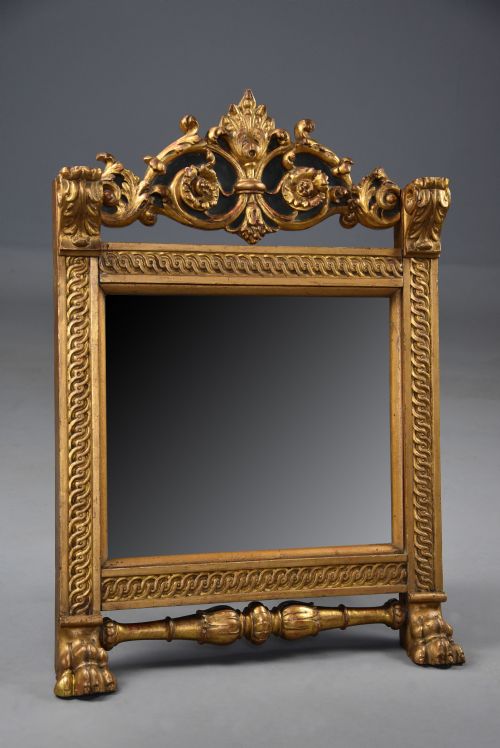
These french style vanity table pieces bring continental flair to a bedroom through carved woods and gilt mirrors.
French Style Vanity Table
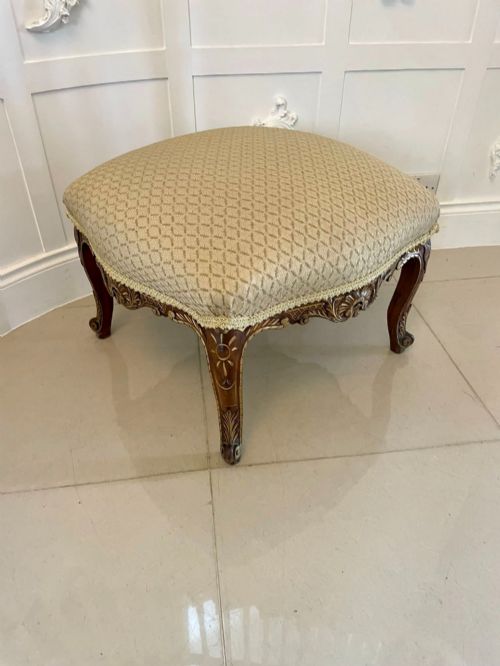
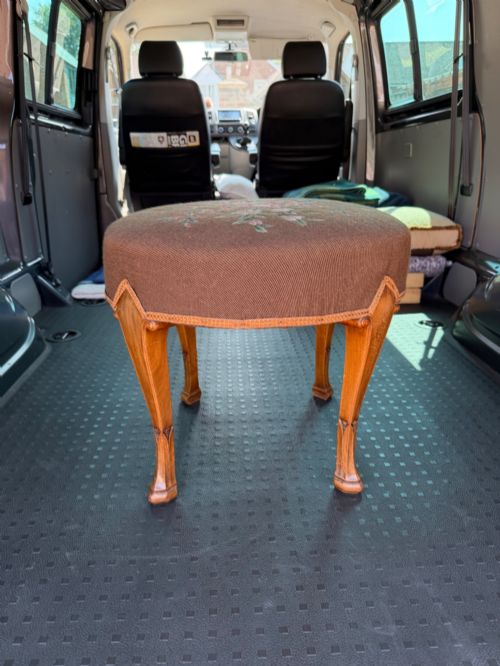
When searching for a french style vanity table, buyers encounter a selection spanning the nineteenth century into the twentieth century, alongside associated seating and mirrors.
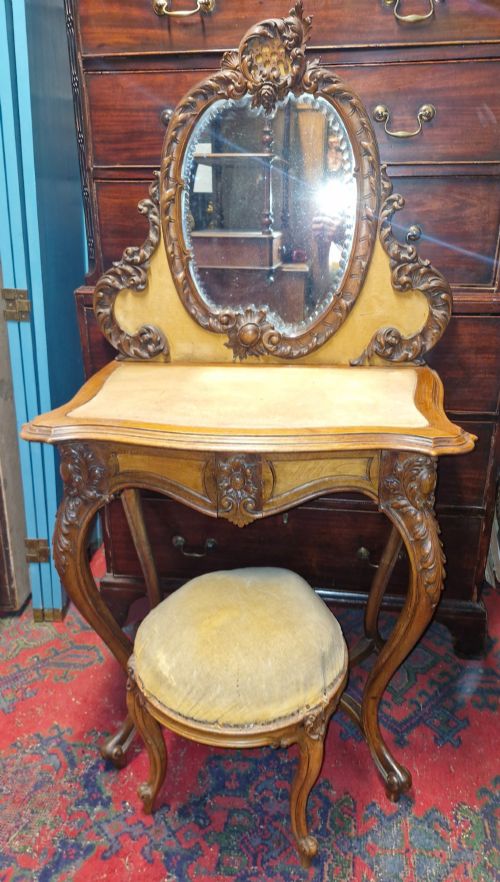
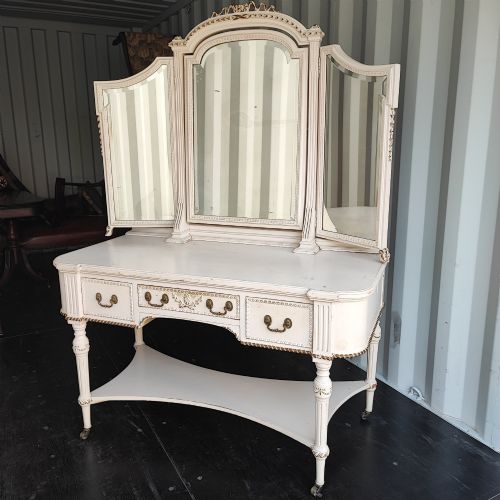
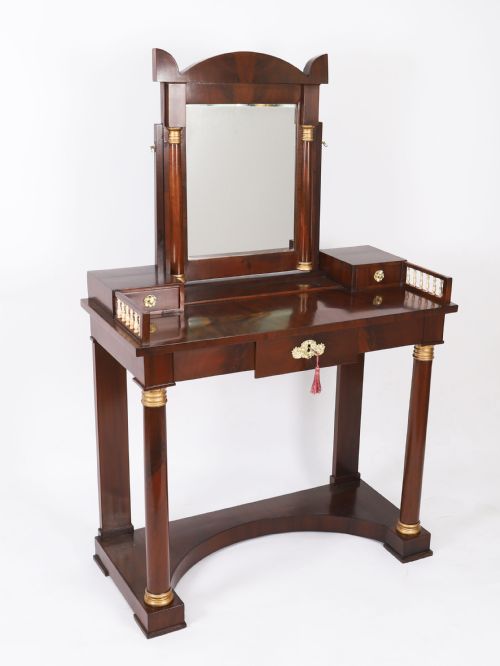
The pieces typically manifest as dressing tables, powder tables known as poudreuses, and freestanding or table-top mirrors originating from periods such as the Victorian era and the decades around eighteen-ninety.
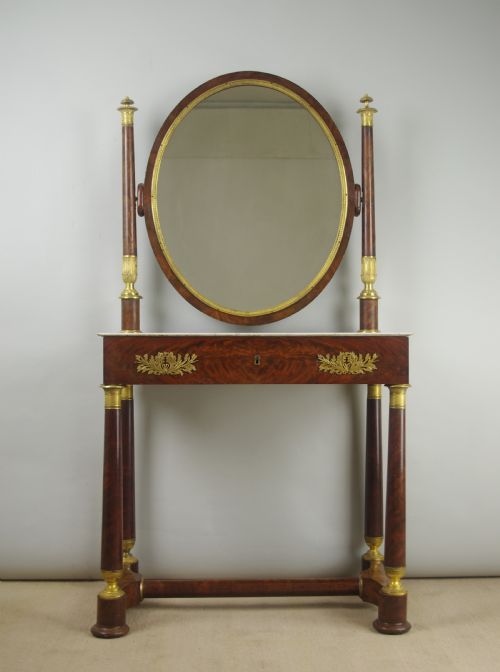
Makers drew on historic continental aesthetics, producing items in French Empire, Rococo Revival, and Louis XVI styles designed for personal grooming and writing.
Construction and materials
Craftsmen utilised timbers such as mahogany, walnut, burr walnut, and oak as the foundational carcasses for these dressing tables and desks.
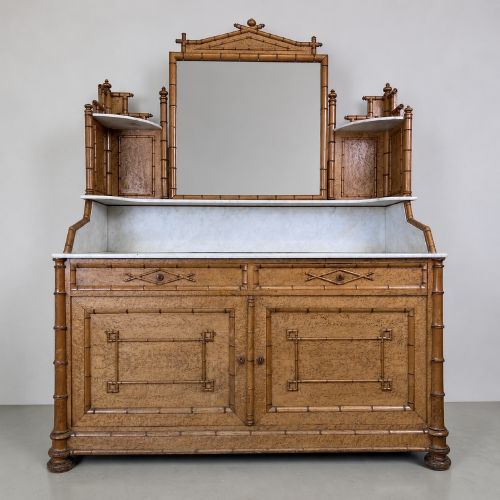
Decoration relied heavily on cast ormolu mounts, giltwood frames, and brass details, alongside marble tops and painted or faux-bamboo finishes on specific cabinets and washstands.
Bird's-eye maple and faux-bamboo finishes allowed Victorian workshops to bring simulated exotic greenery straight into the morning dressing routine.
Factors determining quality
Quality rests on the crispness of the carved ornamentation in the walnut or giltwood and the integrity of the underlying timber construction.
Finer examples display careful matching of wood veneers, substantial cast ormolu mounts, and original glass within the pivoting or triple dressing mirrors.
The French Style Vanity Table Glossary
- Poudreuse
- A small French dressing table or powder table equipped with folding lids and compartments for cosmetics. These pieces date predominantly from the nineteenth century.
- Ormolu
- Gilded bronze applied as decorative mounts on furniture and mirror frames. It adds metallic contrast to mahogany and walnut surfaces.
- Cabriole leg
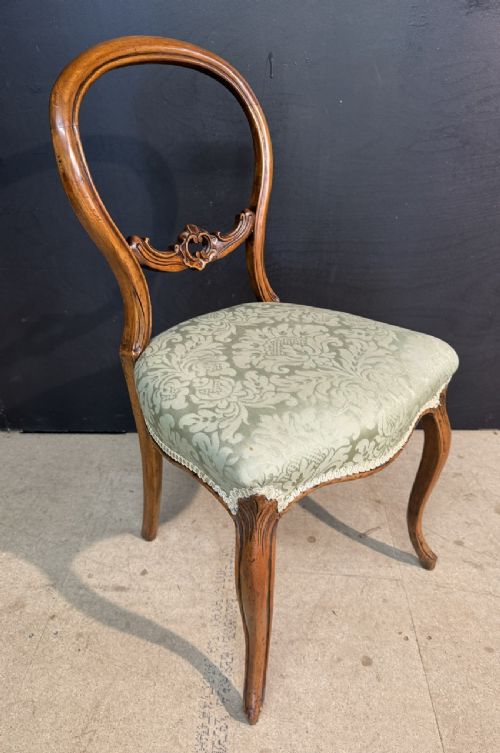
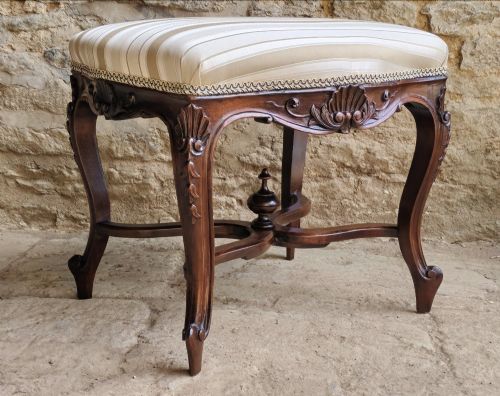
- A furniture leg that curves outward and then tapers inward, finishing in a pad or scroll foot. This shape characterises Rococo and Louis XVI revival seating.
- Bonheur du jour
- A light lady's writing desk featuring a small cabinet or set of drawers on the upper surface. These were often utilised for correspondence and grooming.
French Style Vanity Table: Frequently Asked Questions
What is a french style vanity table used for?
These pieces functioned primarily for personal grooming, dressing, and writing in boudoirs and bedrooms.
They provided surface space and compartments for toiletries, cosmetics, and correspondence alongside matching mirrors.
How do I identify a louis xvi style piece?
Louis XVI style items display neoclassical restraint, featuring straight tapered legs, fluting, and carved ribbon or floral motifs.
They contrast with the more exuberant, curved lines found in earlier Rococo revival pieces.
Are mirrors usually attached or separate?
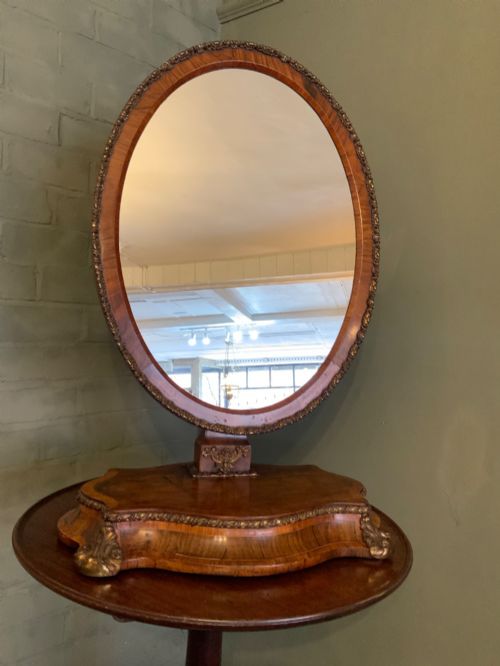
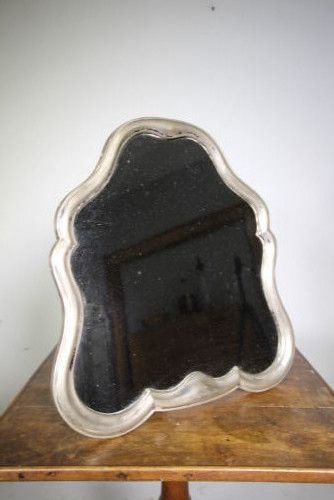
Surviving examples include both dressing tables with fixed or pivoting mirrors and separate table mirrors intended for placement on top of chests.
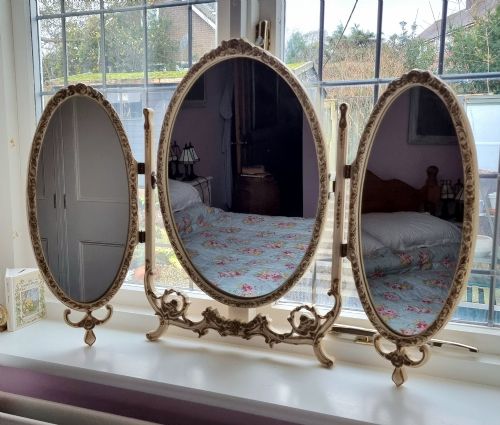
Triple folding mirrors also appear frequently from the later nineteenth and early twentieth centuries.
What woods were commonly used?
Cabinetmakers employed mahogany, walnut, and burr walnut for primary construction, sometimes supplementing them with satinwood or tulipwood.
Oak and painted pine also appear in washstands and provincial pieces.