


French Style Gilt Console
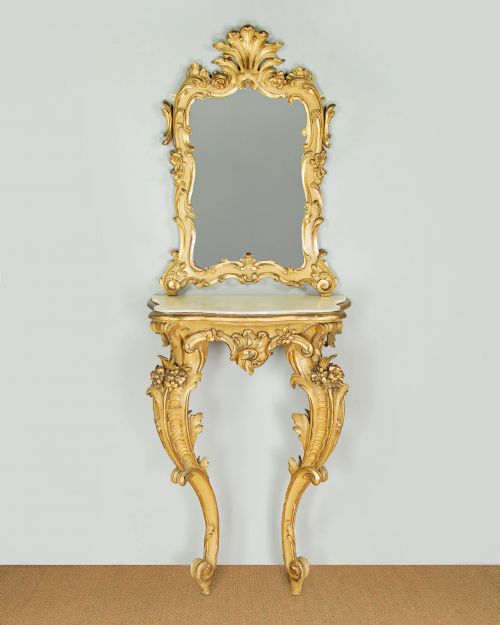
When you search for french style gilt console, you discover ornate tables and mirrors defined by carved surfaces and classical revival motifs.
French Style Gilt Console
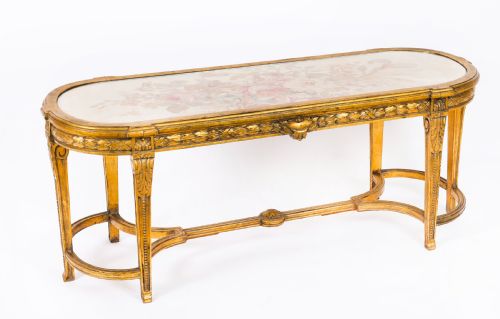
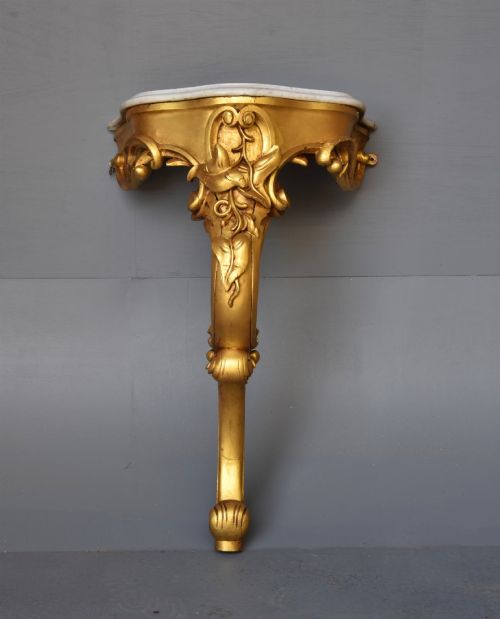
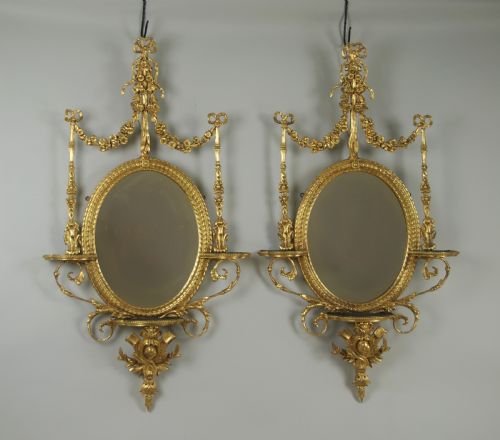
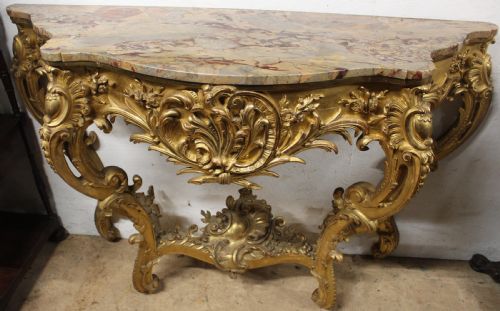
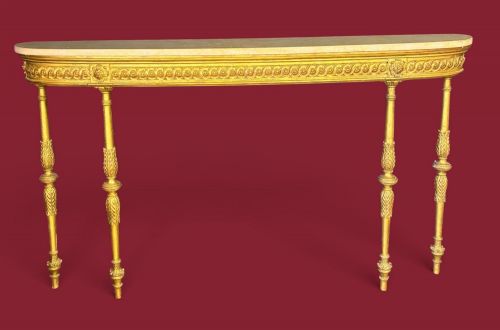
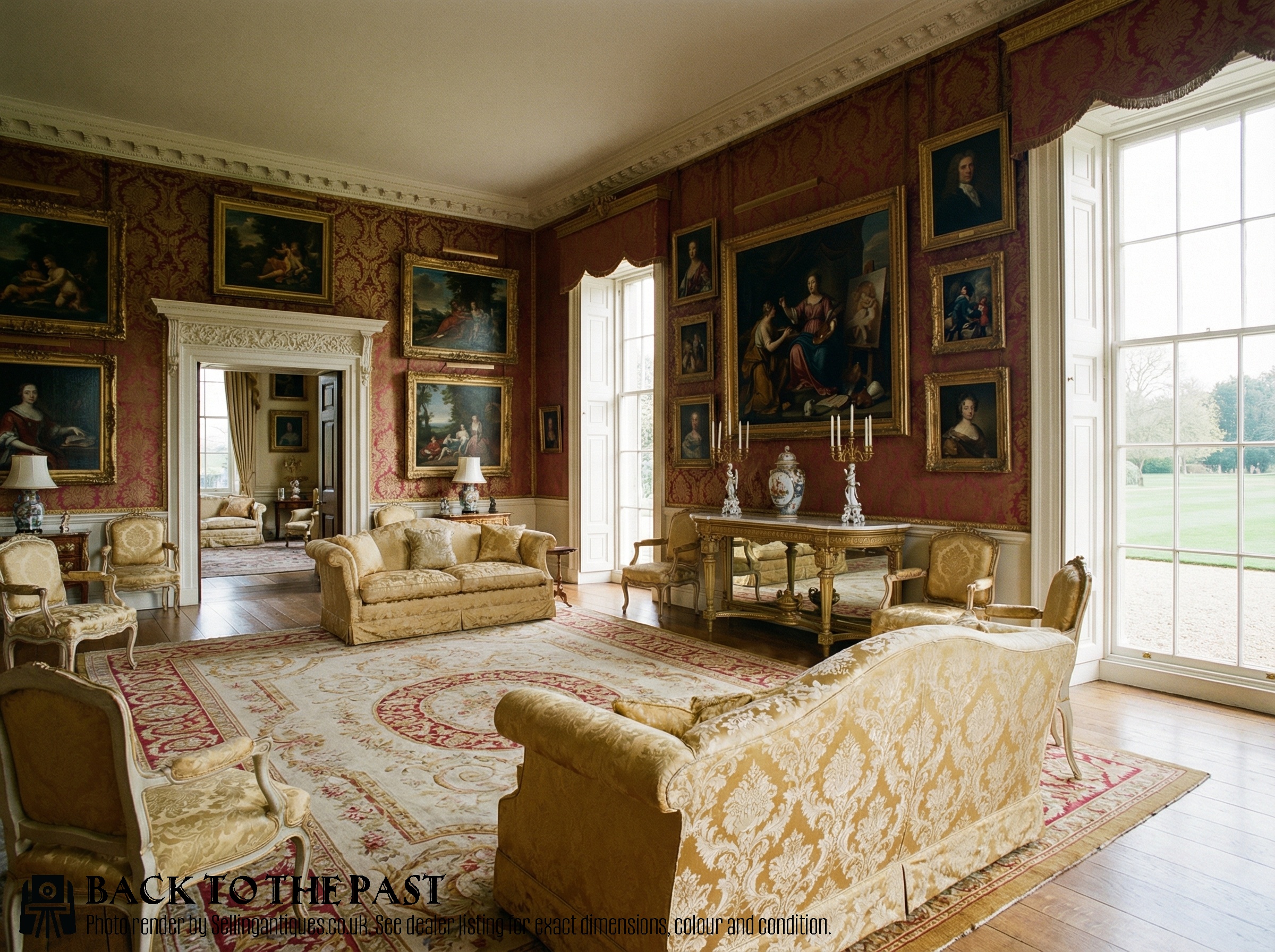
A French style gilt console brings dramatic proportions and reflective surfaces into a room, often designed to fit flush against a wall beneath a matching mirror. The forms seen here include serpentine outlines and half-moon shapes that project very little into the floor space, making them practical for halls and drawing rooms.
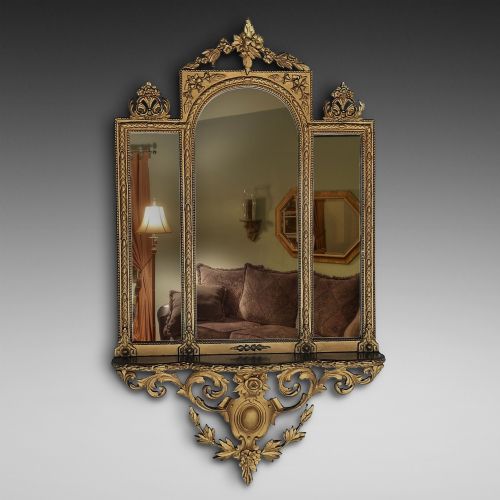
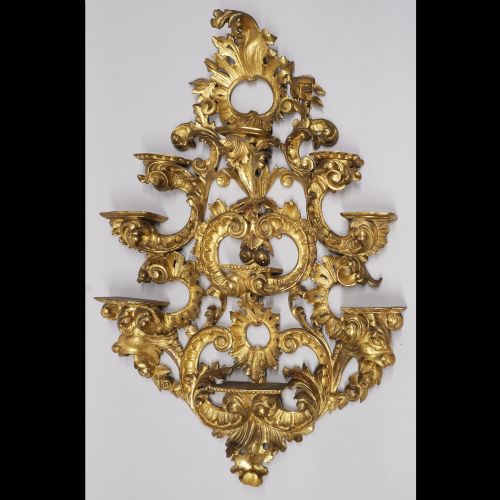
Most examples date from the nineteenth century into the early twentieth century, reflecting revivals of Rococo, Louis XV, and Louis XVI aesthetics. Alongside standard console tables, the selection includes related wall brackets, pier glasses, and centre tables sharing the same gilt finish and decorative vocabulary.
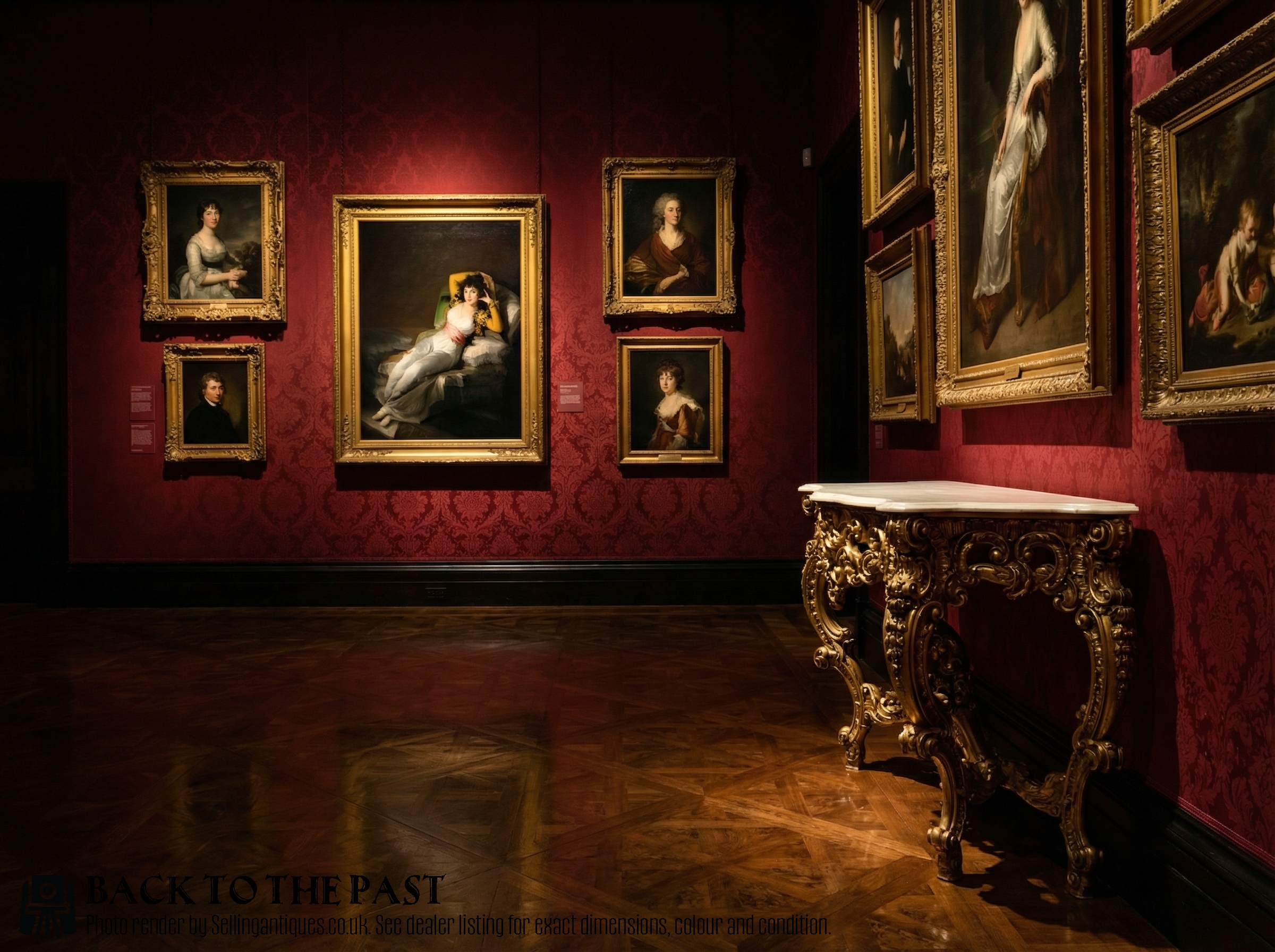
Materials and Construction
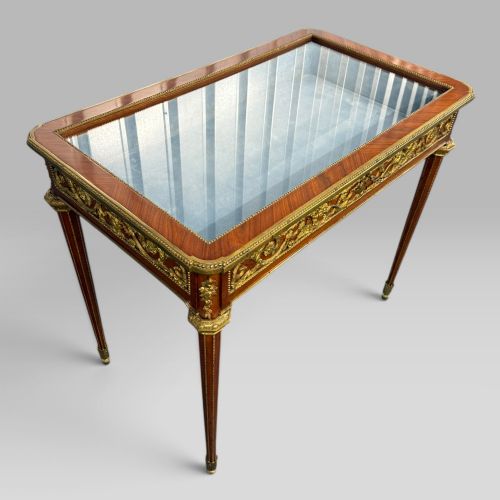
Carved giltwood and gesso form the primary structure for the most decorative frames, providing a robust base for layers of gold leaf or gilt paint applied over preparation layers. Timber carcasses in mahogany, walnut, kingwood, and tulipwood frequently feature parquetry or marquetry inlay alongside parcel-gilt details.
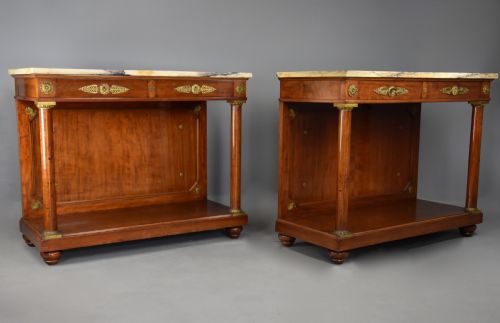
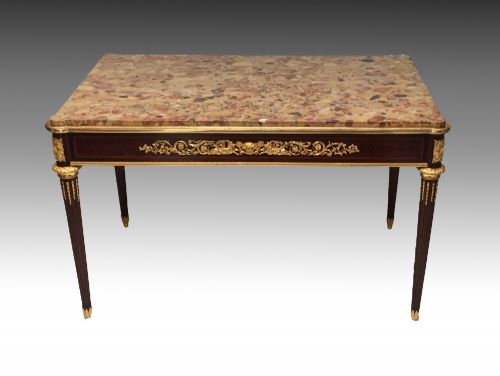
Heavy marble tops, including white Carrara and rouge varieties, provide a cool, durable surface that contrasts with the warm metallic sheen of the frame. Cast or chased ormolu mounts and brass accents complete the ornamentation, secured to corners, aprons, and legs to accentuate the classical architectural lines.
The inventory spans Victorian revivals, Louis XVI styles, and Neoclassical centre tables.
Quality and Craftsmanship
The depth and crispness of the wood carving distinguish higher tier pieces from simpler commercial work, particularly where acanthus leaves, scrollwork, and floral garlands are hand-chiselled rather than moulded in composition paste. Maker attribution also elevates certain items, with stamped signatures or documented workshops pointing to superior cabinet-making standards.
The integration of the marble top to the base and the quality of the ormolu mounts indicate the original workshop's ambition. Heavy, well-fitted stone slabs and finely chased bronze or brass details demonstrate a level of execution reserved for exhibition or bespoke commissions.
François Linke·Krieger Paris·Joseph-Emmanuel Zwiener
The French Style Gilt Console Glossary
- Giltwood
- Wood that has been coated with gold leaf or gold dust over a prepared gesso ground. This technique provides a luminous, durable finish that defines classical mirror frames and console tables.
- Ormolu
- Gilt bronze ornamentation applied to furniture mounts and decorative hardware. The process involves treating cast bronze with an amalgam of gold and mercury before heating.
- Demi-lune
- A half-moon shape characteristic of console and side tables designed to sit flat against a wall. This profile saves floor space while offering a display surface.
- Gesso
- A plaster-like mixture applied to wood to create a smooth surface for gilding or painting. It holds crisp details when carved or stamped.
- Serpentine
- A furniture outline featuring a waving edge that curves outward in the centre and inward at the sides. It adds dynamic movement to table aprons and front rails.
French Style Gilt Console: Frequently Asked Questions
Where should I place a console table?
These tables suit entrance halls, living rooms, and dining spaces where floor space is limited. Their narrow profile allows them to sit neatly against a wall without obstructing pathways.
Paring a console with a matching wall mirror or bracket creates a balanced focal point above the surface.
How do I care for marble tops?
Marble requires gentle cleaning with a damp cloth and mild soap to protect the polished surface from staining. Acidic liquids such as wine or citrus juice can etch the stone if left unattended.
Using coasters and mats prevents scratches and preserves the natural finish of Carrara or rouge marble.
What defines the Louis XVI style?
The Louis XVI style embraces straight lines, symmetrical geometry, and classical architectural motifs inspired by antiquity. Pieces from this aesthetic often feature fluted legs and rectilinear frames.
This restraint contrasts with the curving asymmetry of earlier Rococo designs found across many nineteenth-century pieces.
How do I distinguish original gilding?
Original gilding shows fine craquelure and subtle wear patterns where handling naturally occurred over centuries. The gold leaf should adhere closely to the underlying gesso without modern acrylic paint gloss.
Examining the piece under magnification reveals the texture of the bole beneath the gold layer.