



French Stick Holder
These pieces gather under the search phrase french stick holder to describe umbrella stands and cocktail stick sets modelled in bronze, cast iron and wood.
French Stick Holder
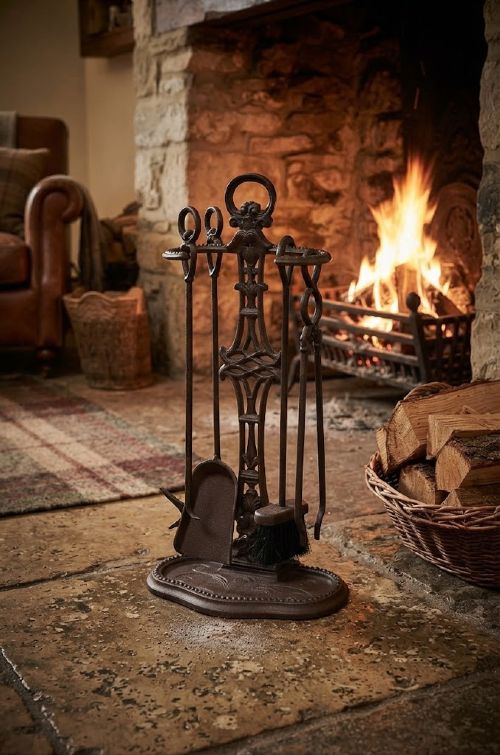
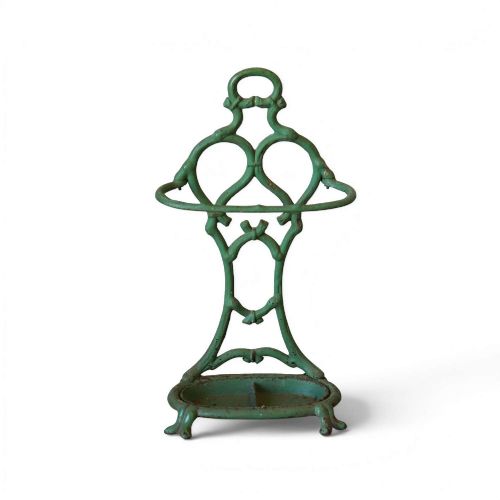
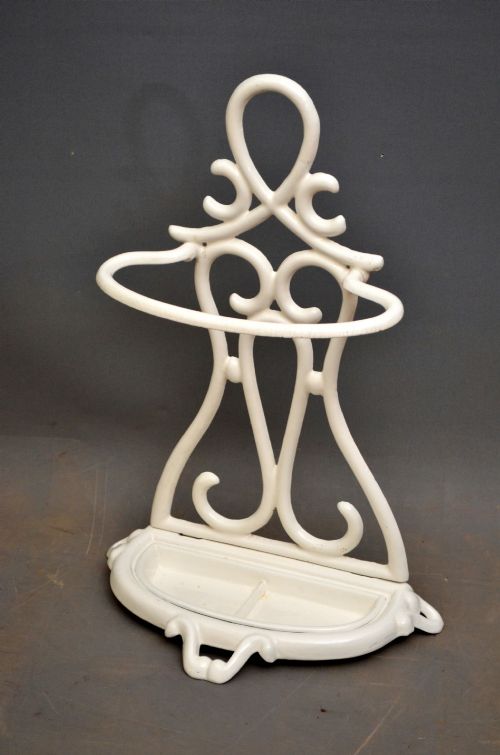
When you search for a french stick holder, you encounter two distinct domestic forms. One group comprises large hall furniture intended for walking canes, umbrellas and fire irons, while the other consists of small tabletop bars designed for cocktail garnishes.
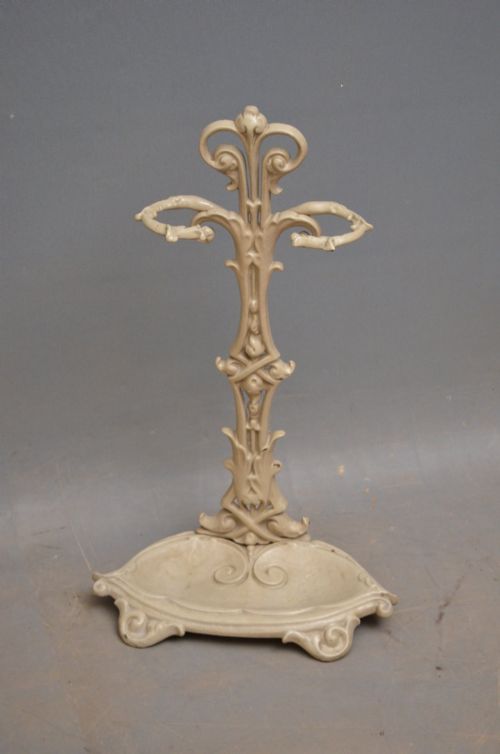
The hall furniture surfaces primarily in cast iron during the turn of the twentieth century, displaying Art Nouveau motifs and faux bois bamboo designs alongside white enamel finishes. These utilitarian hall stands served grand entryways.
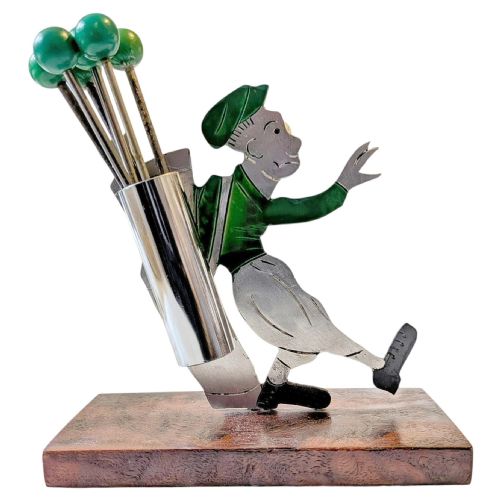
The tabletop variations emerge from the Art Deco period, taking humorous miniature shapes like comical golfers and cherry men created by makers such as Sudre. These smaller novelty items accompanied barware and entertaining.
Materials and construction methods
Cast iron production defines the larger hall stands, utilising heavy moulds to achieve intricate botanical and bamboo textures that mimic natural wood grain. Enamel finishes frequently coat these iron frames for durability.
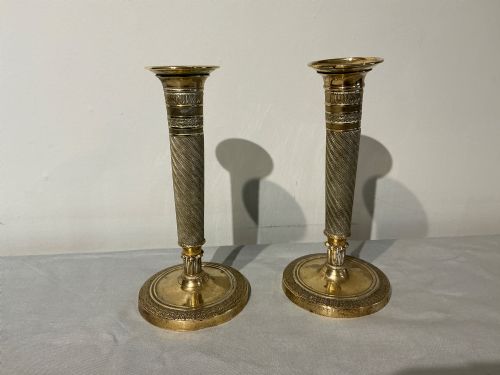
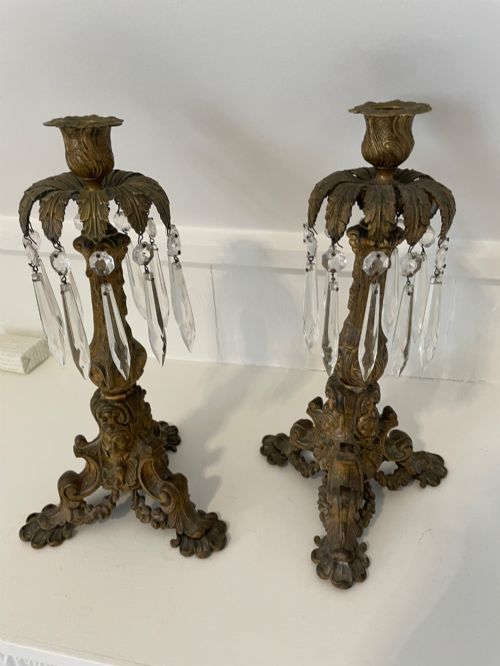
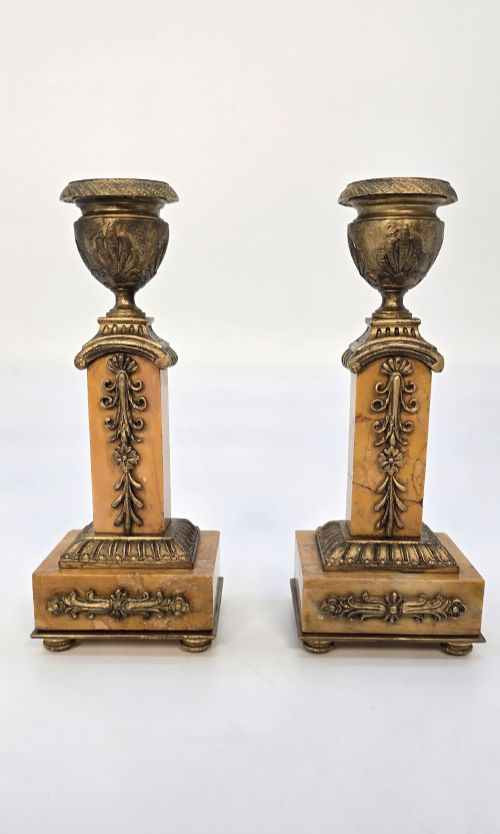
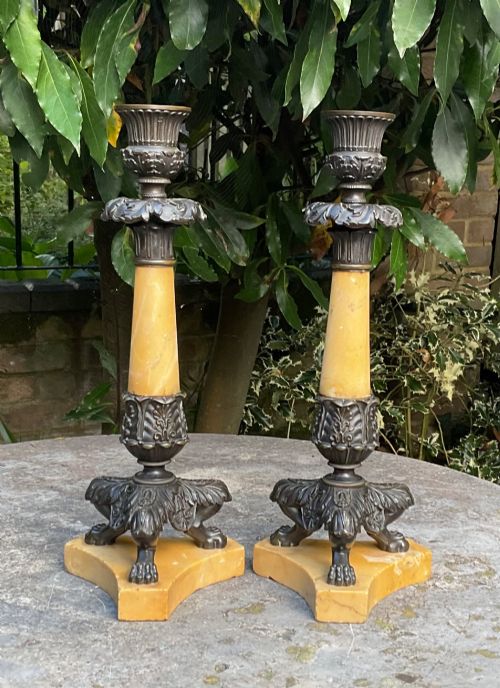
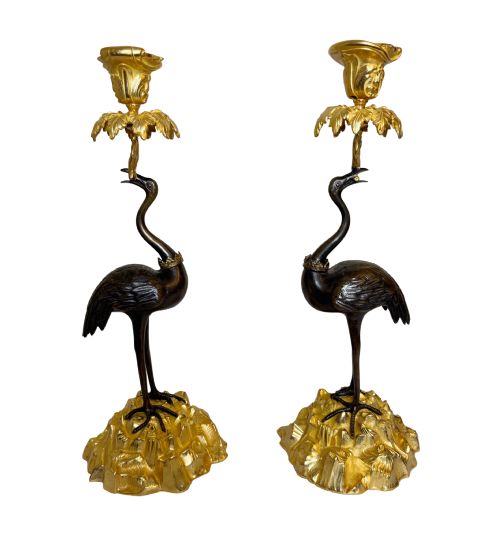
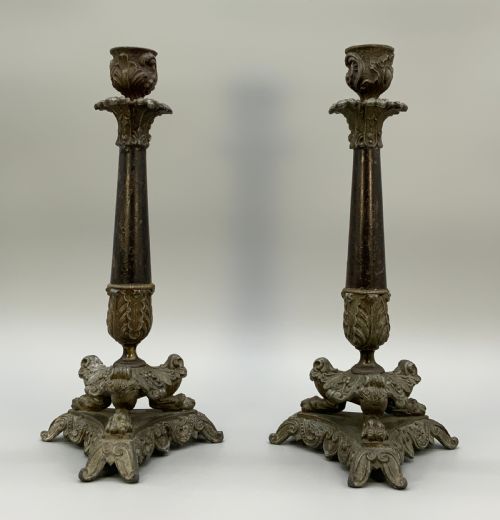
Bronze, gilt bronze and ormolu form the classical lighting and stick accessories, shaped through metal casting and chased by hand to sharpen surface detail. Marble bases often anchor these metal components for stability.
Wood construction relies on cherry and other timber varieties, sometimes accented with silver leaf prickets or carved into rustic fishing rod rests. Artisans combined traditional joinery with decorative surface plating.
French Stick Holder Retail Price Guide 2026
Typical asking prices for french stick holder among the pieces listed under this phrase on Sellingantiques today, from the lower quarter to the upper quarter. They describe what is for sale here now, not the wider market.
A cheerful contingent of comical golfers and cherry men stands ready to spear your olives.
Assessing quality and execution
The crispness of the casting marks the boundary between standard production and superior execution, particularly visible in the fine feathering of bronze motifs or the deep relief of cast iron foliage. Finer items retain clean lines without softening in the details.
Material pairing distinguishes the tiers of manufacture, as seen in the integration of genuine Carrara marble with heavy gilt bronze rather than lighter base metals. Surface treatments such as fire gilding or well-applied silver leaf indicate greater workshop investment.
Théodore Deck·Sudre·Ferdinand Barbedienne
The French Stick Holder Glossary
- Ormolu
- Gilded bronze produced by applying a mercury and gold amalgam to a bronze base and heating it until the mercury vaporised. This technique creates a rich, matte gold surface characteristic of nineteenth-century decorative objects.
- Faux bois
- A decorative technique imitating wood grain executed in materials such as cast iron or ceramics. It gained widespread popularity in late-nineteenth-century garden and hall furniture.
- Pricket
- A sharp metal spike set in a candlestick or altar stick to secure a candle in place. They appear frequently on ecclesiastical and Gothic revival pieces.
- Gilt bronze
- Metalwork coated with a thin layer of gold through various chemical or mechanical processes. It provides the appearance of solid gold while utilising a durable bronze substrate.
French Stick Holder: Frequently Asked Questions
What is a french stick holder?
The term describes both full-sized hall stands for walking canes and umbrellas, and miniature novelty holders for cocktail sticks. These objects span several distinct decorative eras.
Makers utilised materials ranging from heavy cast iron to gilt bronze and wood to suit either grand entryways or intimate parlour tables.
How do I date a cast iron stand?
Cast iron hall and umbrella stands appearing with flowing botanical lines and asymmetrical plant forms typically date to the Art Nouveau period around nineteen hundred.
Earlier nineteenth-century examples tend to favour more formal classical styling or strict geometric proportions before the organic revival took hold.
Where were these pieces used?
Large umbrella and stick stands stood directly inside entrance halls and vestibules to receive wet walking gear and fire irons upon entry.
Tabletop cocktail stick holders sat upon home bars, sideboards and smoking tables to offer hors d'oeuvre picks during social gatherings.
What materials predominate?
The listings show a heavy reliance on cast iron for structural hall furniture, often finished with white enamel or painted surfaces.
Smaller table accessories and lighting components lean towards bronze, ormolu, brass and various woods like cherry timber.