






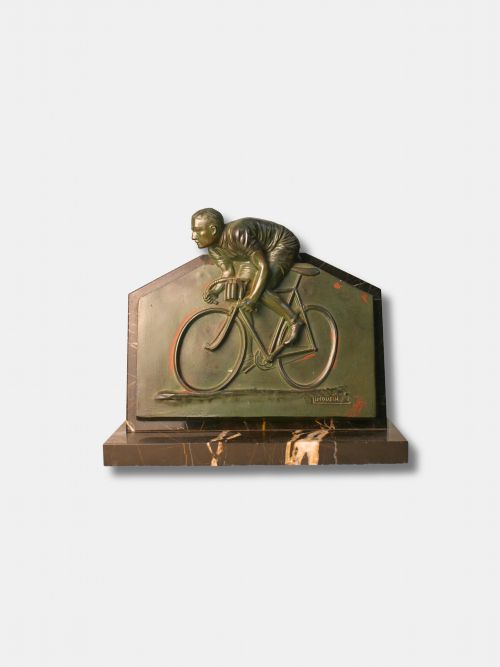


French Spelter Art
French spelter art brings decorative metal figures, clocks and lamps into a room, offering expressive forms shaped during the late nineteenth and early twentieth centuries.
French Spelter Art
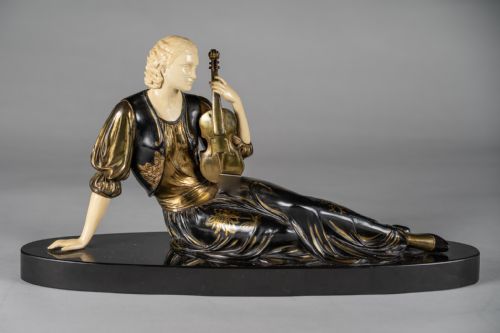
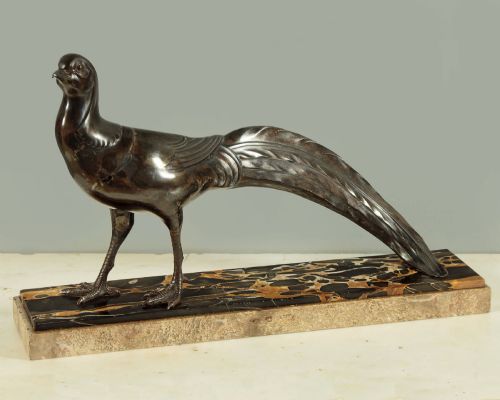
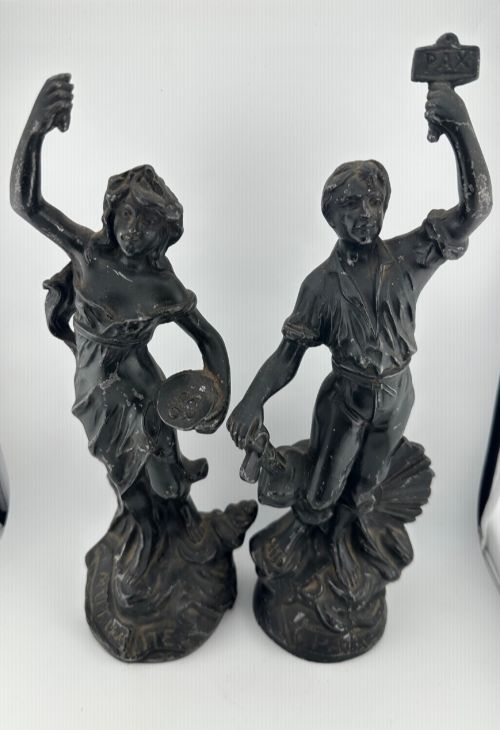
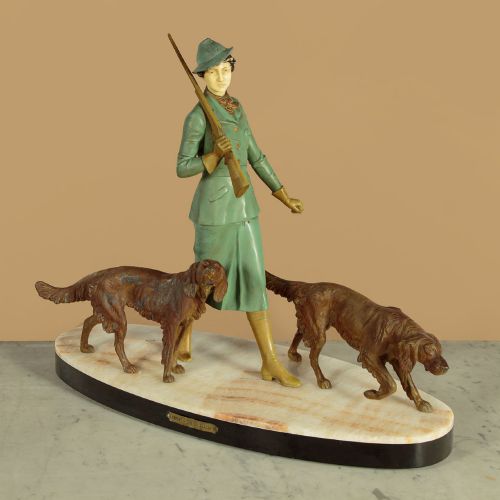
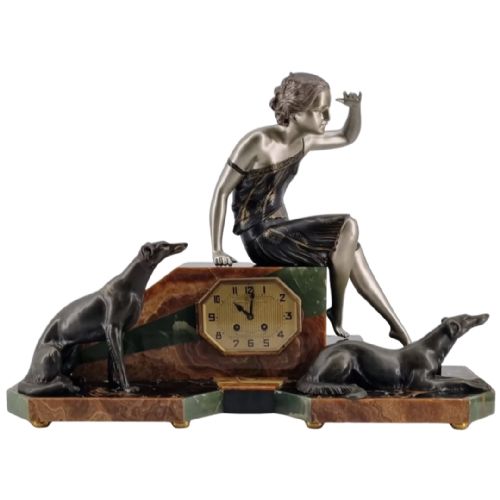
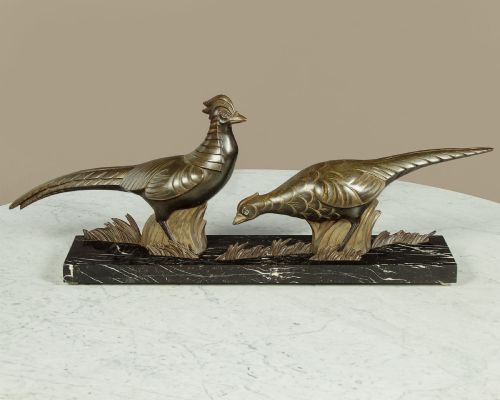
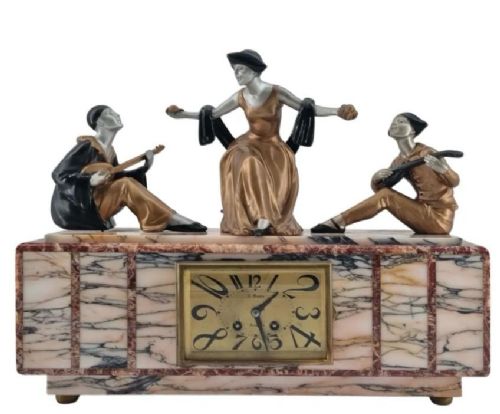
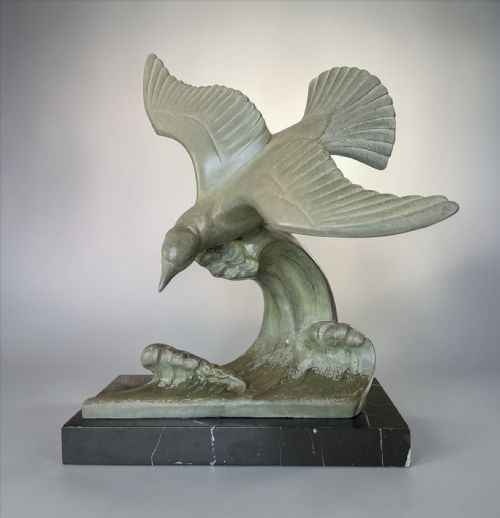
When you search for french spelter art, you encounter sculptural works, mantel clocks, table lamps and bookends created across several decades. The most common examples stem from the Art Deco and Art Nouveau periods, often depicting human figures, animals, or athletic subjects.
Many of these pieces combine metal sculpture with structural bases made of marble or onyx. Figures of dancers, athletes, dogs and stags appear frequently alongside functional items such as garniture clocks and mood lamps.
The selection ranges from late nineteenth century models to robust twentieth century compositions. These objects served primarily as decorative ornaments or functional timepieces in period interiors.
How they were made
Makers cast these decorative objects using spelter, a zinc alloy that allowed for detailed ornamentation at a lower production cost than bronze. The metal received various patinations to simulate bronze, silver, or multicoloured finishes.
Heavy stone elements such as black marble and onyx served as stable plinths for larger animal groups and figures. Glass components frequently accompanied table lamps and mood lighting to diffuse illumination.
French Spelter Art Retail Price Guide 2026
Typical asking prices for french spelter art among the pieces listed under this phrase on Sellingantiques today, from the lower quarter to the upper quarter. They describe what is for sale here now, not the wider market.
The selection spans multiple design movements from nineteenth century works through Edwardian items to Art Deco creations.
What varies in quality
The degree of crispness in the casting distinguishes finer examples from simpler commercial production. Better pieces retain sharp facial expressions, distinct musculature and clean feather or fur details without blurring.
The integration of the metal figure with its stone base indicates overall construction standard. Superior examples utilise substantial marble or onyx plinths fitted securely to the sculpture.
Jean de Roncourt·Uriano·L & F Moreau·Sega·P. Sega·C Masson·Geo Maxim·H. Bal·Chiparus
The French Spelter Art Glossary
- Spelter
- A zinc alloy commonly utilised for European decorative figures and clocks. It provided an accessible medium for sculptural casting during the nineteenth and twentieth centuries.
- Patinated Metal
- Metal treated with chemical solutions to produce an aged or coloured surface finish. This technique enhanced the visual depth of figures and lamps.
- Garniture Clock
- A mantel clock accompanied by matching decorative side pieces such as vases or small urns. These sets sat centrally on fireplace mantels in period homes.
- Onyx
- A banded variety of chalcedony stone employed for decorative clock bodies and sculptural bases. Its natural veining added textural contrast to the metal figures above.
French Spelter Art: Frequently Asked Questions
What is spelter metal?
Spelter is a zinc-based alloy that sculptors and manufacturers utilised widely for decorative figures, lamps and clock cases. It was less costly than bronze yet allowed for intricate moulding.
Objects cast in spelter typically received a painted or patinated surface layer to resemble bronze or other metals.
How do I clean french spelter art?
Cleaning requires only a soft, dry cloth to remove dust from the surface. Moisture and chemical polishes can damage the delicate patination.
Preserving the original finish ensures the decorative character of the metal remains intact over time.
Are these figures solid bronze?
These pieces are made from spelter rather than bronze. Spelter is lighter in weight and softer than bronze or brass.
Examining the underside or areas of wear often reveals the paler grey metal beneath the surface finish.
Where were these items displayed?
Figures, clocks and lamps stood predominantly on mantelpieces, sideboards and tables in domestic interiors. They functioned as ornamental centrepieces.
Bookends and smaller animal groups adorned desks and shelving units within period rooms.