







French Silver Plate Shaker
These French silver plate shakers bring modernist lines and polished metal to home barware from the early decades of the twentieth century.
French Silver Plate Shaker
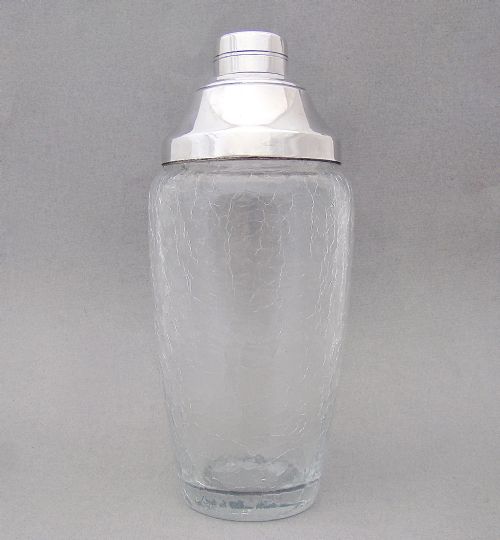
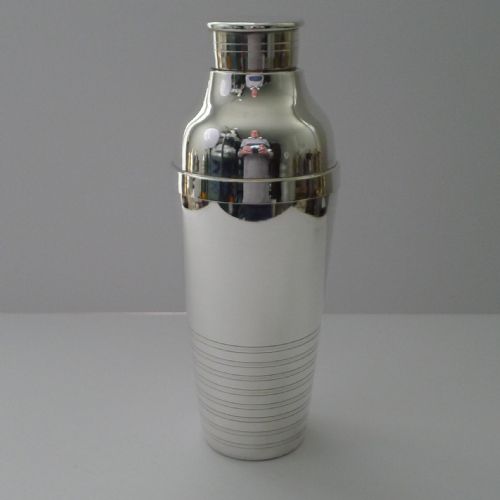
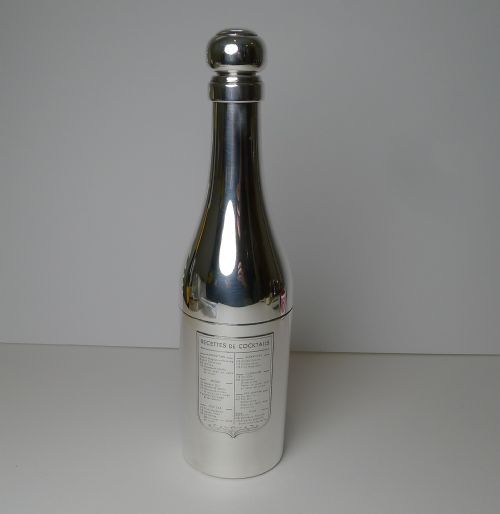
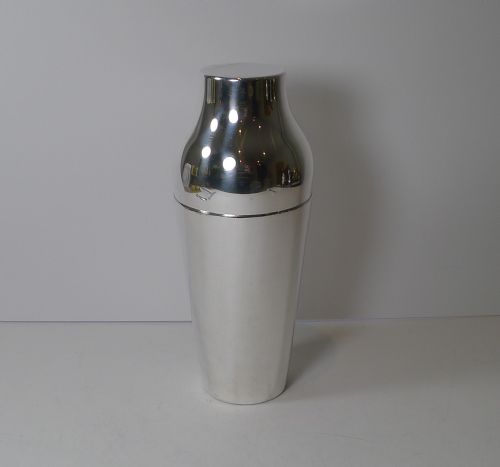
When searching for a french silver plate shaker, collectors encounter striking barware primarily rooted in the Art Deco and Modernist styles of the nineteen thirties and nineteen forties. These vessels include standalone mixing containers, champagne bottle recipes, and comprehensive cased sets complete with matching beakers, trays, and lemon reamers.
The objects stem from prominent periods between nineteen thirty and nineteen sixty, reflecting an era of sophisticated entertaining and cocktail culture in Paris. Pieces range from simple cylindrical forms to stepped geometric silhouettes and designs incorporating crackle glass alongside metal.
Materials and construction
Silversmiths and metalworkers built these containers using a base of sturdy metal coated in silver plate, sometimes combining the polished surface with crackle glass or textured elements. Techniques such as engine turning produced repetitive geometric patterns across the exterior metal body.
Sets frequently integrated fitted components like internal strainers, lids, and matching accessories housed within presentation boxes lined with satin and velvet fabrics.
Materials recorded across the inventory include silver plate, metal, crackle glass, satin, and velvet.
Evaluating craftsmanship
Quality rests in the precision of the mechanics, the crispness of engine turned decoration, and the integrity of the silver plating over the underlying metal. Pieces bearing identifiable maker marks from established Parisian workshops demonstrate superior manufacture compared to unmarked counterparts.
The presence of complete original sets featuring matched beakers, trays, or specialised additions like lemon reamers elevates the standing of an individual piece.
Maison Barra·St. Medard·Orfèvrerie Christofle·Roux-Marquiand·Brille·Mars·Orbrille·Lancel
The French Silver Plate Shaker Glossary
- Silver Plate
- A base metal coated with a thin layer of silver through electroplating or older manufacturing methods. This technique allowed makers to produce luxurious barware items at a scale impossible in solid silver.
- Engine Turned
- A decorative technique involving precise geometric engraving cut into metal by a specialised lathe. It produces intricate patterns of fine lines across the surface of the shaker.
- Art Deco
- A design style characterised by streamlined forms, geometric shapes, and stepped silhouettes. It dominated French decorative arts during the nineteen thirties.
- Crackle Glass
- Glass blown and rapidly cooled to create a network of fine internal fractures beneath the smooth outer surface. It appears combined with metal mountings on select cocktail vessels.
- Modernist
- A style focusing on clean functional lines and minimal ornamentation. This aesthetic emerged strongly in mid-century barware production.
French Silver Plate Shaker: Frequently Asked Questions
How do I clean a silver plated shaker?
Wash the interior gently with warm soapy water and a soft cloth, avoiding harsh abrasive cleaners that damage the plated surface. Dry thoroughly immediately after washing to prevent water spots.
Polish the exterior with a specialised silver cloth or mild silver cream only when necessary. Regular gentle maintenance preserves the original shine and protects the underlying metal.
Are these shakers safe for mixing drinks?
These historical vessels function well for mixing beverages provided the internal silver plating remains intact and uncompromised. Inspect the interior to ensure the base metal is not exposed beneath worn plating.
Hand wash only and avoid storing acidic liquids inside the container for extended periods. Modern users often utilise them for serving rather than prolonged storage.
What comes in a cocktail set?
Complete sets typically include the main mixing vessel alongside a matching tray and a series of drinking beakers. Some configurations also incorporate specialised tools such as lemon reamers or stirring spoons housed in fitted cases.
The boxes themselves often feature interior linings of satin or velvet designed to hold each component securely in place.