




French Silver Jewellery
French silver jewellery brings together fine continental craftsmanship, decorative stones, and precious metals across centuries of distinct design.
French Silver Jewellery
When you search for french silver jewellery, you encounter a varied selection of wearable ornaments and personal containers from multiple periods. The pieces on this page span from Georgian and Victorian eras through Art Nouveau and Art Deco designs.
How they were made
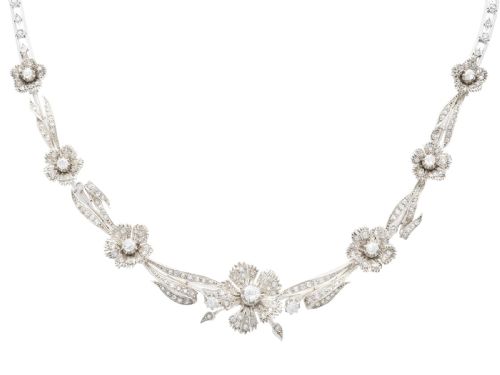
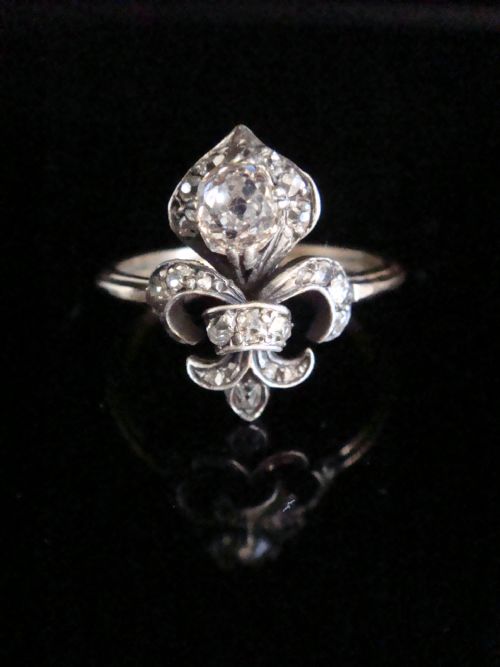
Maker's work combines silver with gold, paste glass, diamonds, and metal alloys to achieve contrasting tones and textures. Filigree work, plating, and gilt treatments appear alongside stones set in patterned mounts.
Techniques range from cast bronze and silvered copper structures to delicate stone settings and detailed metalwork. Artisans utilised mixed metals and applied finishes to create depth within individual pieces.
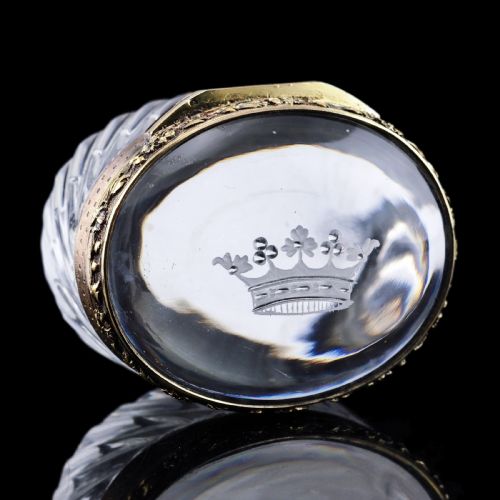
Current listings incorporate silver, gold, diamonds, paste glass, and chalcedony across brooches, caskets, and buckles.
What varies in quality
Quality rests in the precision of the metalwork, the integrity of the stone settings, and the preservation of original gilt or silvered surfaces. Finer items display crisp detailing in filigree and cast elements without clumsy repairs.
The choice of materials also divides the range, distinguishing solid silver and combined gold-and-silver mountings from plated or silvered base metals. The clarity of set diamonds, paste glass, and natural pearls further separates standard items from exceptional examples.
The French Silver Jewellery Glossary
- Silver Gilt
- Silver that has been coated with a thin layer of gold. This finish provides the visual warmth of gold while retaining a silver base.
- Paste Glass
- Hand-cut glass used to imitate gemstones. Skilled artisans faceted and set these glasses to catch the light much like genuine diamonds.
- Filigree
- Delicate jewellery metalwork formed from fine twisted wires soldered together. It creates an open, lace-like pattern across brooches and buckles.
- Duette
- A versatile brooch that separates into two individual fur clips. This mechanism gained popularity during the Art Deco period.
French Silver Jewellery: Frequently Asked Questions
How do I date french silver jewellery?
Dating relies on stylistic markers such as neoclassical motifs, organic Art Nouveau lines, or geometric Art Deco shapes. Hallmarks and maker marks stamped on the metal also help pinpoint origin and period.
Material choices further guide identification, as certain combinations of silver, gold, and specific cut stones align with distinct nineteenth and twentieth-century decades.
Are caskets considered jewellery items?
Jewellery caskets and trinket boxes share the metalworking techniques and decorative styles of wearable pieces. They were designed to house precious ornaments on a dressing table.
Many incorporate silvered copper, gilt bronze, or satinwood alongside the same decorative motifs found on rings and pendants from the period.
What is silver gilt jewellery?
Silver gilt items consist of a solid silver core treated with a surface application of gold. This technique offered the rich appearance of gold while utilising alternative precious metal stocks.
Over time, wear on the gold layer can reveal the underlying silver tone, which serves as an indicator of age and handling.
How should I clean antique silver jewellery?
Cleaning requires gentle methods that preserve fragile settings, paste glass, and delicate gilt surfaces. Harsh chemical dips can strip away historical patinas and damage organic elements like pearls.
Specialist soft cloths and minimal moisture help maintain the metal without compromising the integrity of stones or delicate filigree wires.