

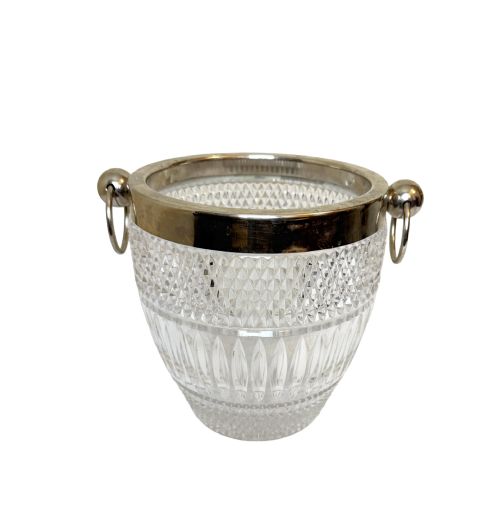


French Silver Cooler
A french silver cooler brings heavy metal elegance to any table, offering practical temperature control wrapped in twentieth-century design.
French Silver Cooler
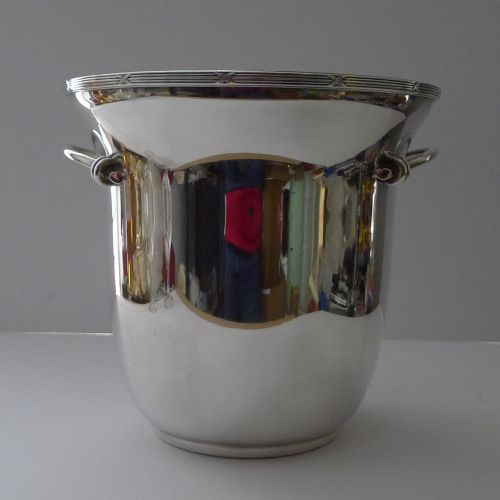
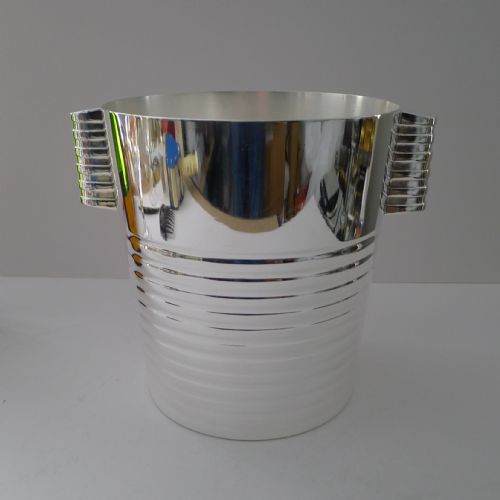
When you search for a french silver cooler, you find vessels designed to hold wine, champagne or ice during meals. The forms range from heavy wine champagne coolers to compact ice buckets and deep champagne bowls.
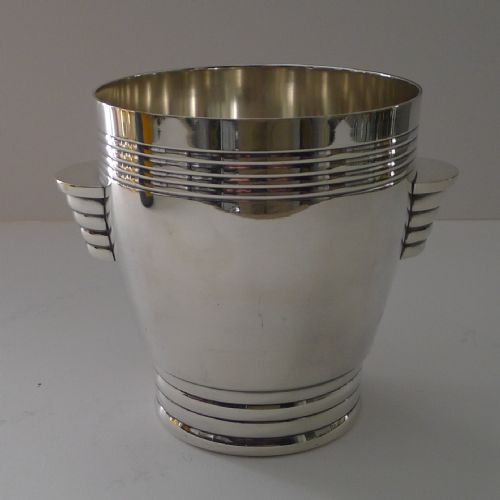
Most examples on this page date from the twentieth century, spanning Belle Epoque, Art Deco and Mid-Century Modern periods. They emerge from Paris makers and workshops, adopting styles such as French Empire and French Bistro.
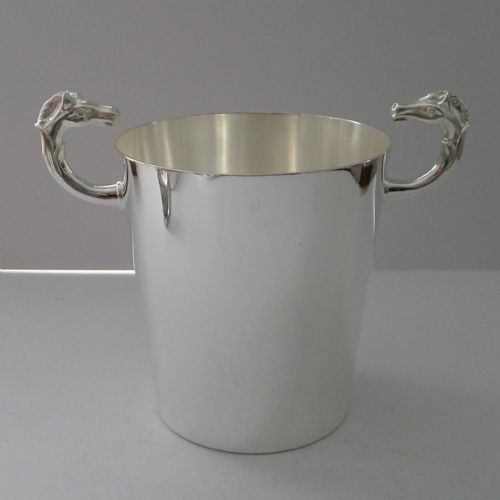
Objects vary from simple ring champagne coolers to heavily embossed champagne holders and equestrian ice buckets. They serve as functional barware that doubles as decorative table centrepieces.
How they were made
Maker workshops utilised silver plate, silverplate and base metal over underlying structures, sometimes combining metal with cut crystal or incorporating bakelite elements. The metal surfaces were shaped through spinning or casting, then polished to a bright finish.
Decorative details involved heavy embossing, applied rings and sculptural elements such as horse heads. Signature styling from designers like Luc Lanel and Lino Sabattini brought geometric Art Deco lines and sleek Mid-Century forms to the metalwork.
French Silver Cooler Retail Price Guide 2026
Typical asking prices for french silver cooler among the pieces listed under this phrase on Sellingantiques today, from the lower quarter to the upper quarter. They describe what is for sale here now, not the wider market.
Equestrian ice buckets shaped like horse heads prove that French silversmiths enjoyed a gallop with their champagne.
What varies in quality
The distinction between standard production and top-tier pieces rests on maker attribution and the weight of the metal. Signed works by established houses carry heavier gauge plating and crisper execution in handles and rims.
Design complexity also separates pieces, from plain restaurant bowls to sculptural modernist vessels or detailed equestrian commissions. The depth of the silver layer and the preservation of original polish determine visual longevity.
Hermes Paris·Christofle·Ercuis Paris·Luc Lanel·Lino Sabatinni
The French Silver Cooler Glossary
- Silver plate
- A thin layer of silver fused to a base metal core such as copper or nickel brass. This technique allowed makers to produce substantial vessels with the appearance of solid silver at a lower weight.
- Art Deco
- A design style characterised by sleek geometric shapes, stylised motifs and streamlined forms popular during the interwar decades. Many wine coolers from this era utilise stepped bases and clean vertical lines.
- Gallia
- A high-quality metal alloy and subsidiary mark utilised by the Christofle firm for specific lines of tableware and barware. Pieces bearing this mark typically denote mid-century or earlier luxury production.
- Pewter
- A malleable metal alloy composed primarily of tin with copper and antimony, used for cast bowls and simple vessels. It yields a soft, grey matte finish distinct from plated silver.
- Base metal
- The underlying metallic material beneath a silver or chrome surface plating. Common types include brass, bronze or nickel alloys chosen for structural strength.
French Silver Cooler: Frequently Asked Questions
What is a french silver cooler used for?
These vessels were designed to chill champagne and wine or to hold ice cubes for drinks at the table. They keep bottles at the proper temperature throughout a long meal.
Today they function as standalone decorative objects or centrepieces when not in active use during dining occasions.
How do I date a silver cooler?
Dating relies on maker marks, style indicators and the specific alloy or plating techniques used by Paris manufacturers. Art Deco pieces show geometric lines from the interwar period, while mid-century items display modernist contours.
Maker stamps stamped into the base or rim provide the most reliable guide to the decade of manufacture.
What is the difference between silver plate and silverplate?
There is no material difference between the two terms, as both describe a base metal core coated with a thin layer of pure silver. Manufacturers and writers simply use alternate spellings for the same plating process.
Both finishes require gentle cleaning to preserve the underlying metal layer over decades of use.