

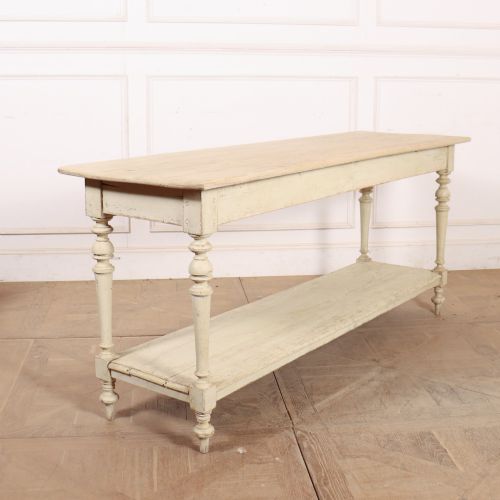
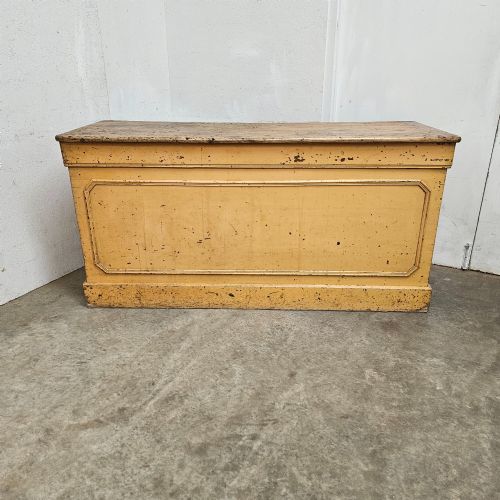



French Shop Display
These french shop display items bring commercial provenance and period utility into domestic interiors.
French Shop Display
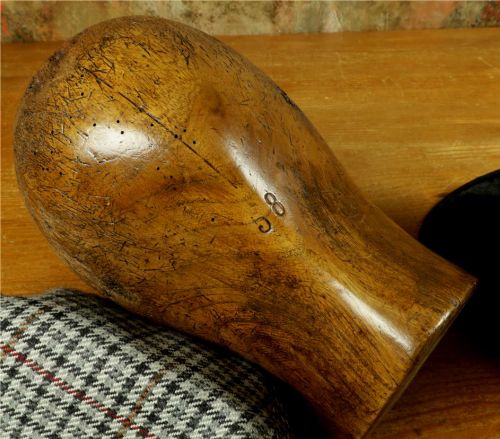
A buyer seeking french shop display pieces encounters commercial furnishings originating from the nineteenth and early twentieth centuries, including the Victorian, Edwardian, and Art Deco eras. These items span practical retail furniture such as drapers tables, shop counters, and vitrines alongside specific merchandising objects like apothecary jars and mannequins.
The selection on this page relies heavily on utilitarian forms constructed for everyday retail use in France, featuring items in pine, mahogany, oak, and fruitwood. Common variations include large glass display cabinets, brass mounted shelving, and epicerie steps designed for mercantile presentation.
Many pieces retain original paint surfaces or vernacular finishes that reflect their origins in provincial shops, butchers, and drapers. These survivors transition easily into modern rooms as functional storage units or focal display surfaces.
How they were made
Makers utilised solid timbers such as oak, pine, mahogany, and fruitwood to construct heavy retail furniture, often applying painted finishes or leaving surfaces in bleached or raw states. Joinery methods prioritise durability to withstand daily commercial use, utilising brass mountings, ormolu, and glass panes for cabinets and vitrines.
Specialised items incorporate diverse materials like terracotta, fabric, and bronze, particularly in the creation of advertising mannequins and dress forms. Etched glass and ceramic components were produced for apothecary storage, whilst metal frames supported early twentieth-century shelving and display units.
French Shop Display Retail Price Guide 2026
Typical asking prices for french shop display among the pieces listed under this phrase on Sellingantiques today, from the lower quarter to the upper quarter. They describe what is for sale here now, not the wider market.
Materials span glass, wood, paint, brass, pine, mahogany, oak, and fabric across various commercial forms.
What varies in quality
The distinction between tiers rests upon the intactness of original surfaces, such as surviving period paint or patinated wood finishes, compared to later interventions. Pieces bearing branded attribution to known firms or showcasing sophisticated brass and ormolu mounts typically sit at the higher end of the scale.
Structural integrity and the retention of original glazed panels, mirrors, and internal shelving dictate the utilitarian value of display cabinets and counters. Vernacular folk art pieces derive their standing from the strength of their carved detailing and the authenticity of their commercial wear.
Charmereine·Albert Guillaume·Siegel
The French Shop Display Glossary
- Vitrine
- A glass-fronted cabinet used for displaying precious objects or merchandise. These pieces often feature fine woodwork and glazed sides.
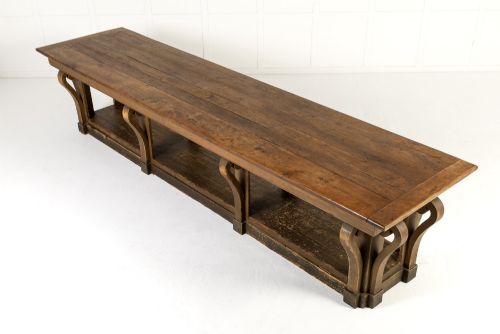
- Drapers table
- A long, wide wooden table originally utilised in fabric shops for measuring and displaying textiles. They typically feature multiple drawers or lower shelves for storage.
- Apothecary jar
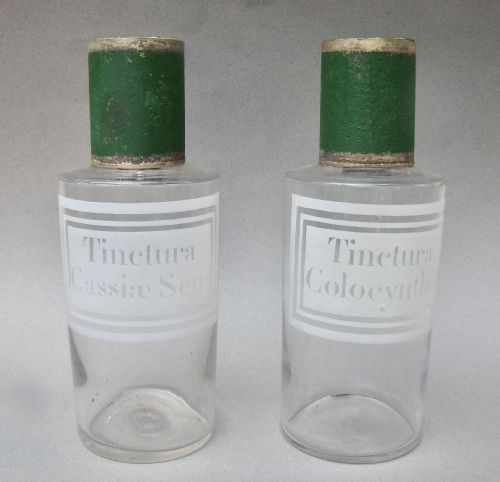
- A vessel designed to hold medicines, herbs, or chemicals in a chemist shop. They frequently feature etched glass labels and lids.
- Epicerie steps
- Tiered shelving units used in grocers and provision shops to display goods. Their stepped profile allows multiple items to be seen clearly.
French Shop Display: Frequently Asked Questions
What is a french drapers table?
A drapers table is a long, sturdy wooden table historically used in textile shops to fold and measure cloth. They provide large surface areas and often include practical drawers underneath.
Today, these tables function well as kitchen islands, console surfaces, or large desks in domestic spaces.
How were apothecary jars used?
Apothecary jars stored dry goods, liquids, and medicinal ingredients in nineteenth-century chemists and pharmacies. Their glass construction and tight-fitting lids kept contents visible and secure.
Collectors prize them for their etched lettering, historical labels, and varied glass tones.
Where do shop mannequins fit in a home?
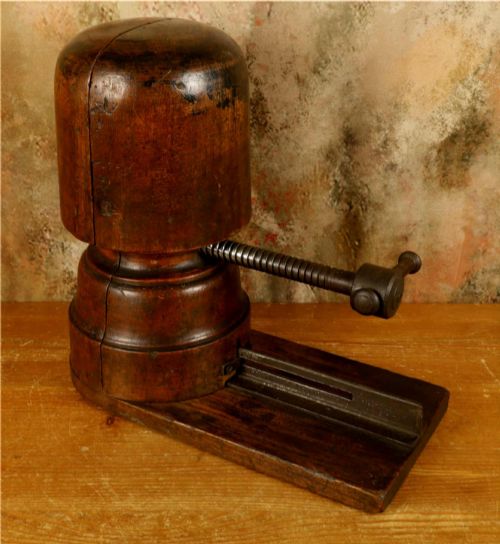
Shop mannequins and dress forms served as three-dimensional models for displaying garments in boutique windows. They bring sculptural presence and historical texture to modern rooms.
Placed in hallways, bedrooms, or studios, they offer an unconventional display option for hats, scarves, and necklaces.
How do I care for antique shop display wood?
Antique wooden display counters and tables require gentle maintenance to preserve their original patinas and painted finishes. Avoid excessive moisture and direct sunlight to protect the aged timber.
Regular dusting with a dry cloth keeps the surfaces clean without stripping the historic character.