






French Sculpture Decor
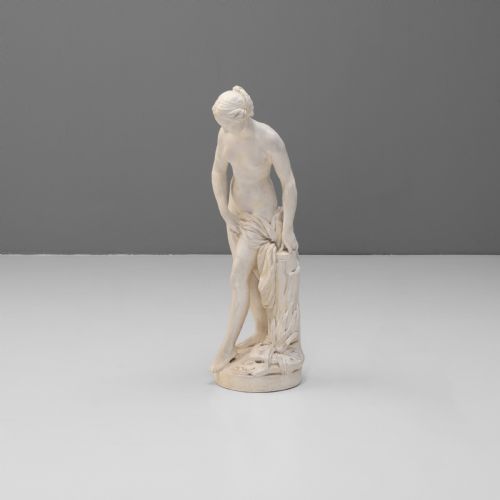
French sculpture decor brings classical form and animalier energy into a room, offering bronze figures, carved wood panels, and marble mounts.
French Sculpture Decor
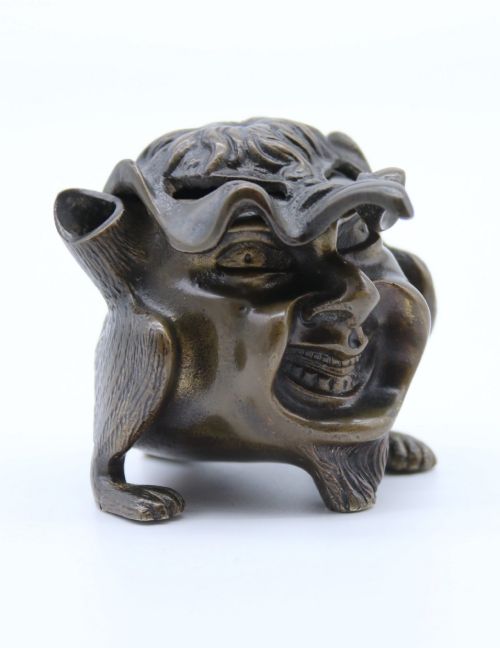
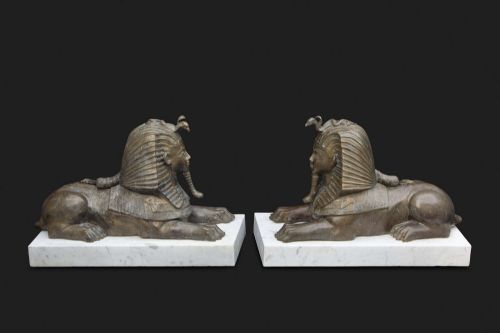
French sculpture decor encompasses bronze figures, carved wood panels, and metal mounts that bring classical form and animalier energy into a room. Buyers seeking french sculpture decor encounter everything from monumental sphinxes on Carrara marble plinths to intricate inkwells in the form of grotesque creatures.
The pieces appearing most frequently span the nineteenth century, ranging from 1860 bronze works and Victorian portrait busts to carved sycamore yacht models and carousel panels. Artisans also produced distinct Art Deco animalier groups in spelter and bronze during the early decades of the twentieth century.
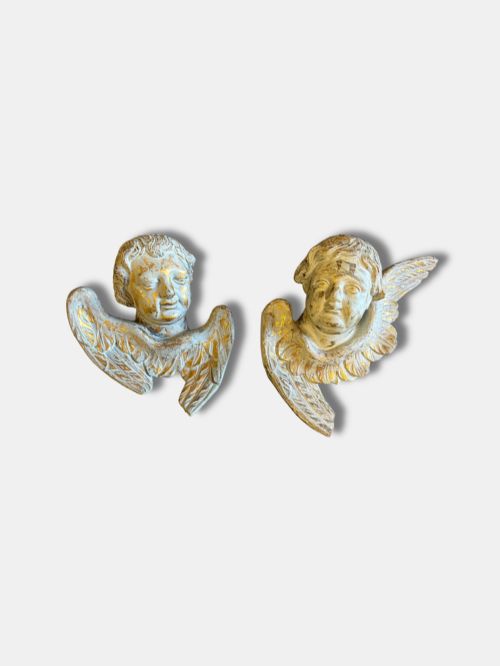
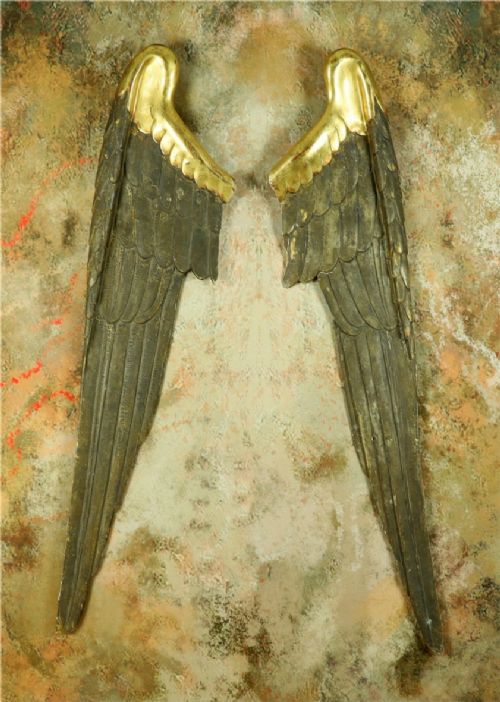
Forms vary widely between functional decorative objects such as furniture mounts, inkwells, and wall appliques, and pure freestanding statues of dogs, horses, panthers, and soldiers. Eighteenth-century examples include carved wood angel wings finished in gilt gesso alongside porcelain portrait busts.
Materials and Construction Techniques
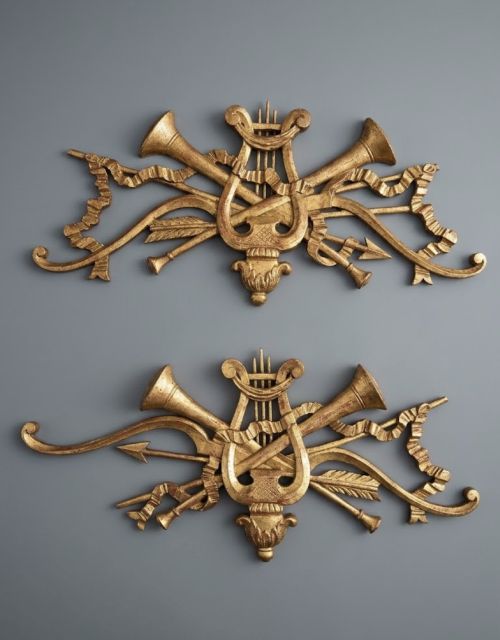
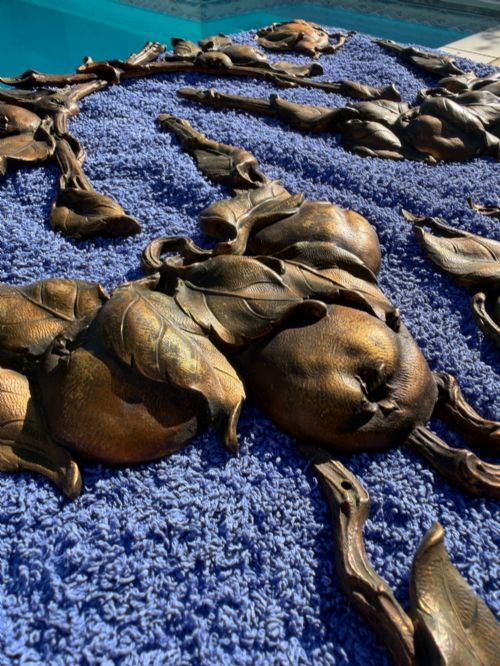
Foundries cast animal and human figures in bronze and spelter, often utilising marble bases and onyx or Carrara plinths to ground heavier works. Gilt bronze appliques and gold leaf finishes provide metallic brilliance on wooden backings.
Casting methods captured minute anatomical details in subjects like the Marly horses, hunting dogs, and the albatross, while chiselling and chasing refined the surface textures of the metal.
French Sculpture Decor Retail Price Guide 2026
Typical asking prices for french sculpture decor among the pieces listed under this phrase on Sellingantiques today, from the lower quarter to the upper quarter. They describe what is for sale here now, not the wider market.
The periods represented span from the eighteenth century through Victorian times up to Art Deco pieces from 1930.
Distinctions in Quality
The refinement of the chasing and the crispness of the casting separate superior metal sculptures from simpler commercial output, particularly in bronze versus spelter castings. Fine chiselling reveals muscle structure, facial expression, and feather detail that softer or more worn moulds obscure.
Original surface treatments such as untouched patinas, gold leaf, and polychrome paint retain historical integrity better than later overpainting or aggressive cleaning. The quality of the supporting material, whether veined Carrara marble, onyx, or carved timber, also reflects the original ambition of the piece.
Poix Blin·Pierre Lenordez·Michel Decoux·Charles Crozatier
The French Sculpture Decor Glossary
- Animalier
- A nineteenth-century artistic focus on the realistic portrayal of animals, particularly horses, dogs, and wild cats. Sculptors captured these creatures in motion or repose.
- Spelter
- A zinc alloy frequently utilised as a less expensive substitute for bronze during the nineteenth and twentieth centuries. It accepts patination readily to imitate heavier metals.
- Gesso
- A plaster-like mixture applied to wood surfaces as a smooth base for paint or gold leaf gilding. It appears frequently on carved architectural panels and angel wings.
- Neoclassical
- A style drawing inspiration from the classical art and culture of ancient Greece and Rome. It dominates many nineteenth-century architectural mounts and monumental figures.
- Applique
- An ornamental fitting attached to a wall, furniture piece, or fireplace surround. These elements combine cast bronze with gilding.
French Sculpture Decor: Frequently Asked Questions
What is french sculpture decor?
French sculpture decor comprises three-dimensional decorative art objects, architectural mounts, and figurative statues originating from France across the eighteenth, nineteenth, and early twentieth centuries.
These pieces utilise materials such as bronze, carved wood, spelter, marble, and porcelain to depict animals, human portraits, and mythological subjects.
Where were these sculptures placed?
Sculptural items served diverse domestic roles, functioning as mantelpiece inkwells, wall appliques, furniture mounts, and freestanding decorative objects in salons.
Larger works such as marble-plinthed sphinxes or monumental bronze statues occupied prominent architectural positions in grand interiors.
How do I care for antique bronze?
Maintain bronze sculptures by dusting them gently with a soft, dry brush to prevent particulate accumulation without disturbing the historical patina.
Avoid using liquid cleaners, polishes, or abrasive cloths that strip away the aged surface coloration and metallic integrity.