

French School Framed Art
When searching for french school framed art, a buyer encounters centuries of painted portraits, rural landscapes and interior scenes housed in period surrounds.
French School Framed Art
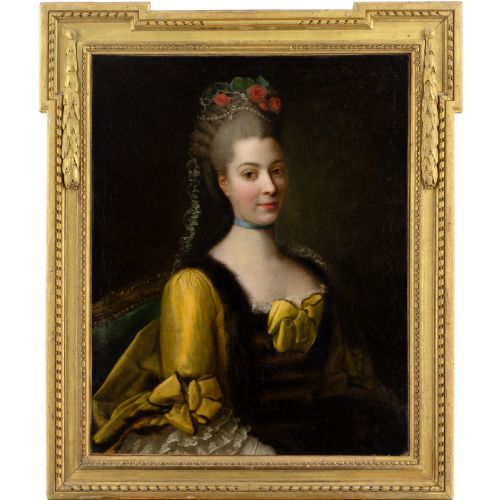
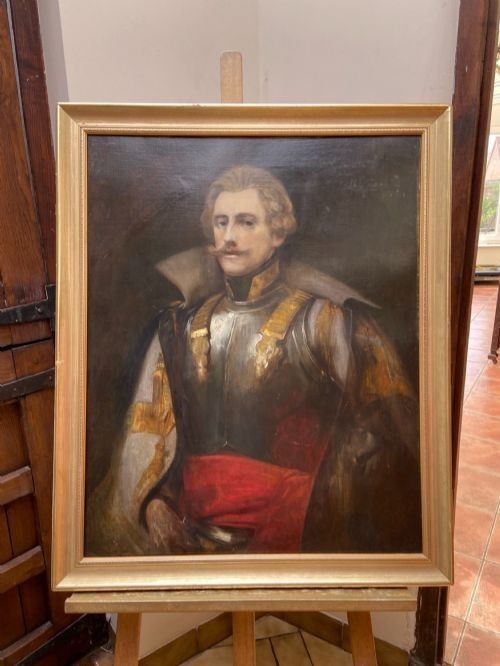
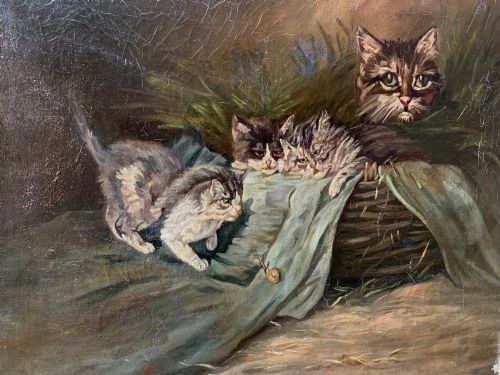
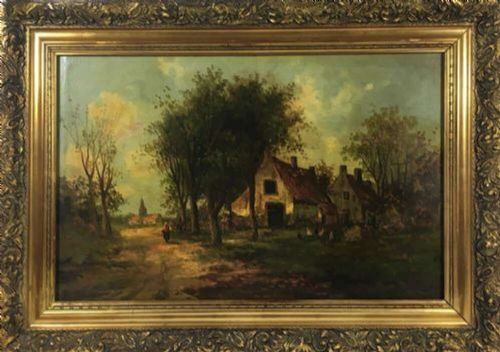
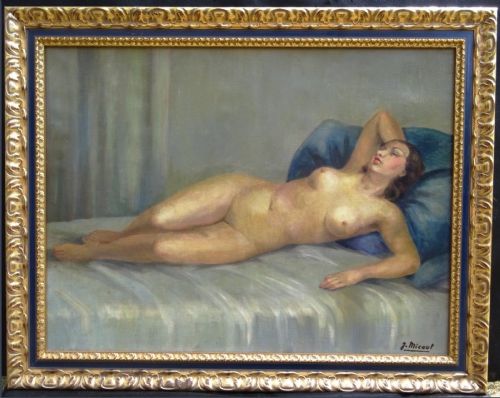
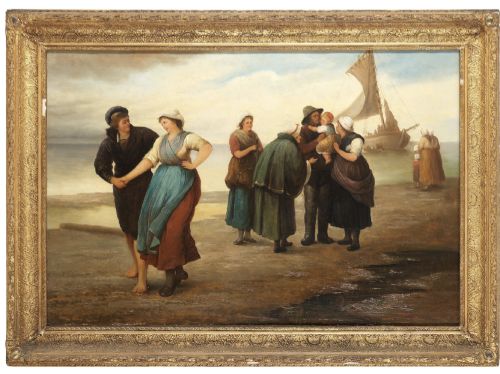
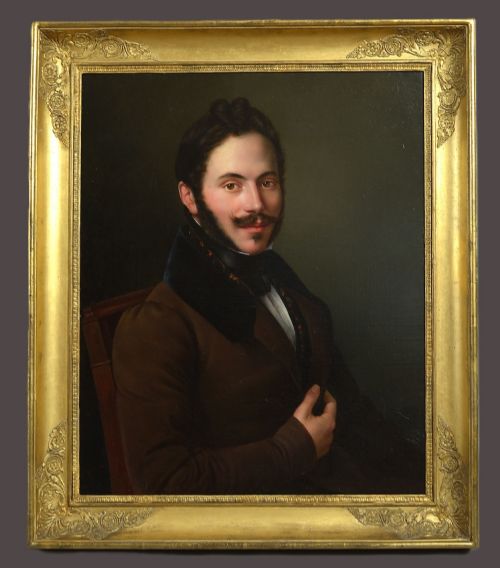
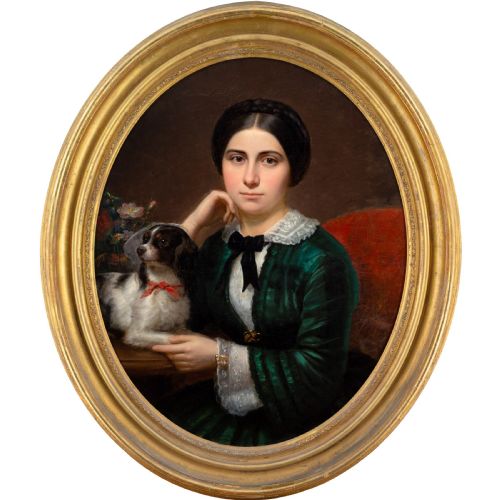
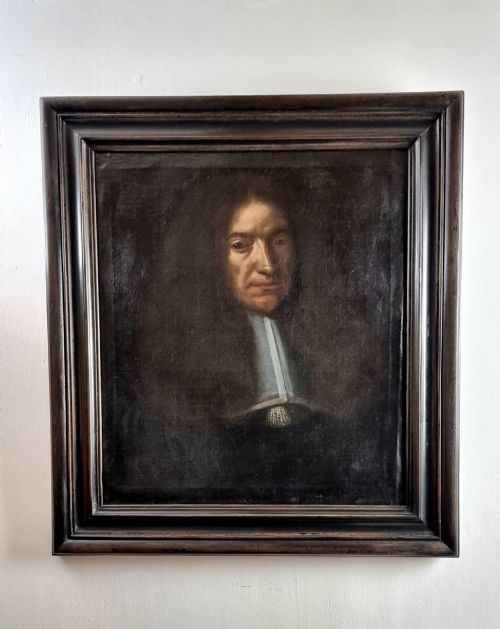
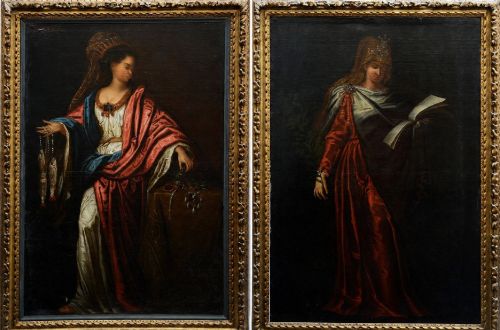
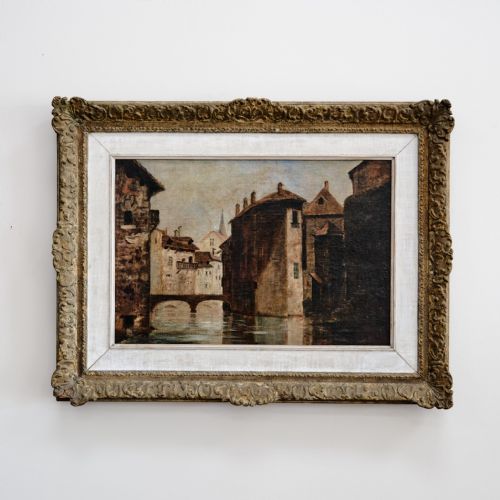
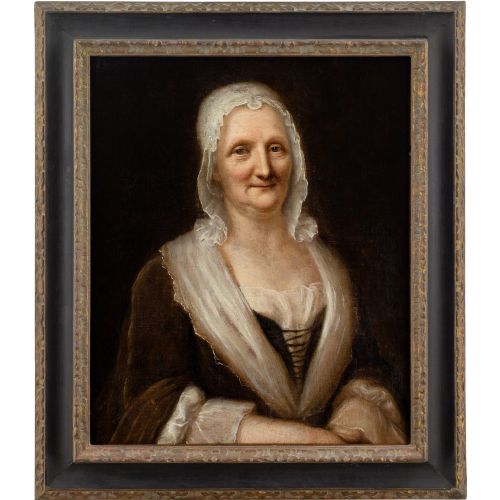
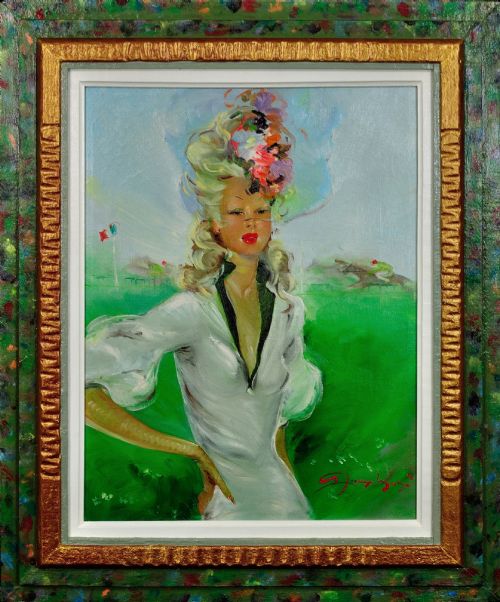
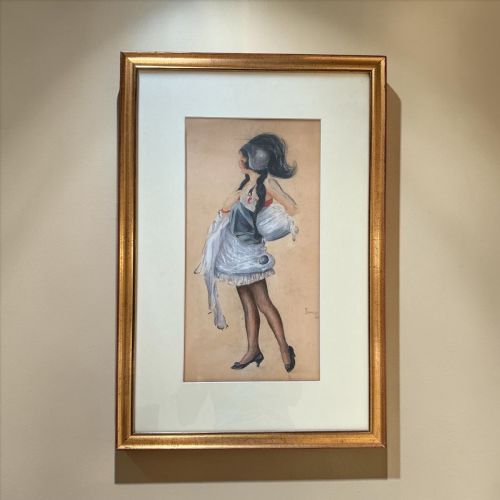
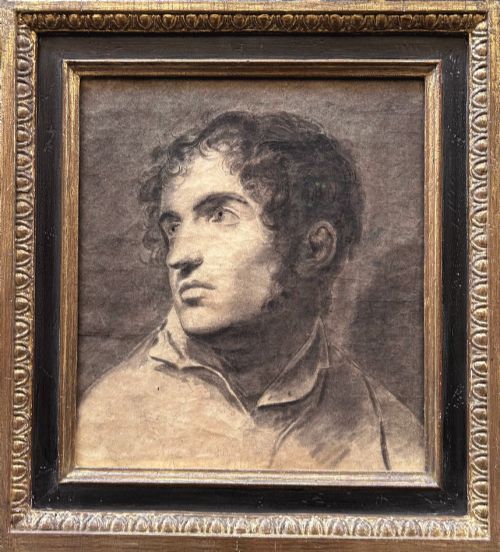
The category of french school framed art encompasses oil paintings, watercolours, pastels and gouache works created across the seventeenth, eighteenth, nineteenth and mid-twentieth centuries. Many examples depict formal portraiture of officials and elegant women, alongside pastoral landscapes and genre scenes of daily life.
Most items on this page originate from recognised movements including the Barbizon school, post-impressionism, French baroque and mid-century modern idioms. These works arrive ready to hang within period timber or giltwood mouldings that complement the palette and subject matter of each canvas or panel.
How they were made
Artisans applied oil paint, pastel or gouache to stretched canvas, prepared wooden panels or heavy paper supports. Brushwork ranges from tight, academic precision in earlier portraits to looser, expressive marks in later impressionist and abstract landscapes.
Surrounds take the form of carved timber and giltwood frames, often fitted with glass to protect delicate watercolours and pastels. Gilded details and moulded gesso enrich the perimeters of these enclosures.
Listings feature works executed on canvas, wood panels and paper using oil paint, pastel and gouache.
What varies in quality
The distinction between standard works and exceptional pieces lies in the autonomy of the composition and the confidence of the handling. Superior examples display subtle tonal modulation, anatomical precision and original framing that integrates seamlessly with the artwork.
Condition of the pigment layer and the structural integrity of the underlying canvas or panel also separate tiers of execution. Works retaining legible signatures, documented provenance or connections to notable artistic circles carry greater historical weight.
Edouard Pingret·Paul Désiré Trouillebert·Gabriel Dauchot·Léon Joseph Voirin
The French School Framed Art Glossary
- Barbizon school
- A nineteenth-century French movement focused on realistic landscape painting en plein air. Artists in this group prioritised direct observation of rural light and atmosphere over academic idealism.
- Giltwood
- Timber carved and coated with a thin layer of gold leaf or gold paint. This finish frequently adorns period picture frames to catch ambient light.
- Gouache
- An opaque water-based medium composed of ground pigments and a binding agent. It provides dense colour saturation on paper supports.
- Provenance
- The documented history of ownership surrounding an artwork. A clear chain of custody verifies authenticity and previous exhibitions.
- Jabot
- A decorative ruffle attached to the front of a shirt or cravat. This textile detail frequently appears in eighteenth-century portraiture.
French School Framed Art: Frequently Asked Questions
What periods do these artworks cover?
The selection spans from the seventeenth century through to the mid-twentieth century. Earlier works emphasise formal portraiture, while later periods embrace impressionist and abstract idioms.
Buyers encounter distinct stylistic shifts across these eras, moving from courtly realism towards expressive, atmospheric landscapes and modernist compositions.
How should I care for framed art?
Keep painted works away from direct sunlight and fluctuating humidity levels to prevent pigment fading and wood warping. Dust giltwood frames gently with a dry, soft brush.
Avoid using liquid cleaners on canvas surfaces or gilded mouldings, as moisture can damage fragile paint layers and historic varnishes.
Are all pieces supplied with frames?
The listings typically include period timber or giltwood surrounds accompanying the paintings, watercolours or pastels. These enclosures are selected to complement the era and palette of each work.
Check individual descriptions to confirm whether glass or specific mounting techniques are present on works executed on paper.
How can I identify different artistic schools?
Look to the handling of light, subject matter and brush technique to determine stylistic origins. Barbizon pieces favour earthy rural landscapes, whereas portraits often reflect the formal dress of their specific century.
Signatures, when present, alongside written documentation in the listing details, help connect works to particular regional movements.