

French School Art
French school art gathers centuries of oil paintings, portraits, and landscapes originating from continental ateliers.
French School Art
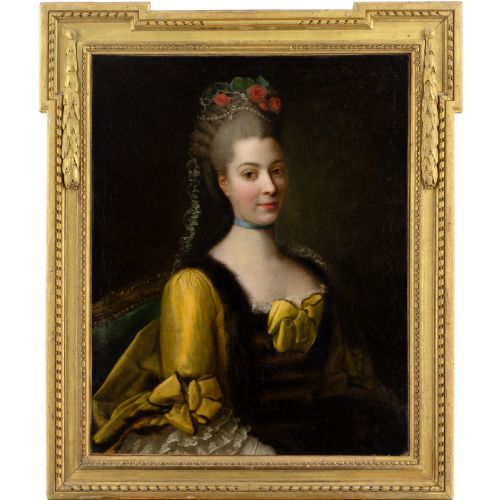
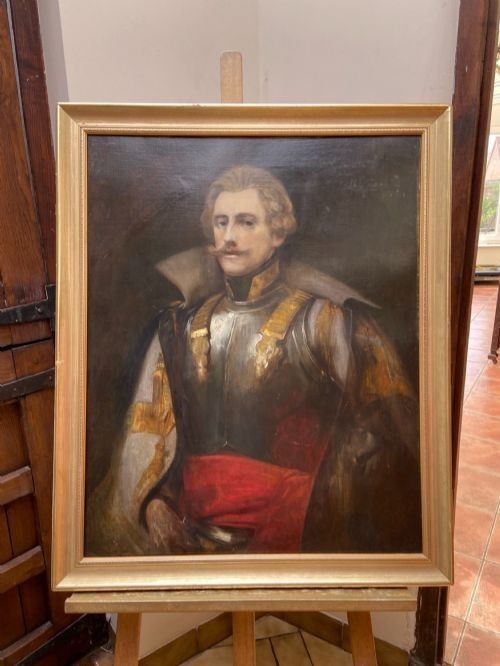
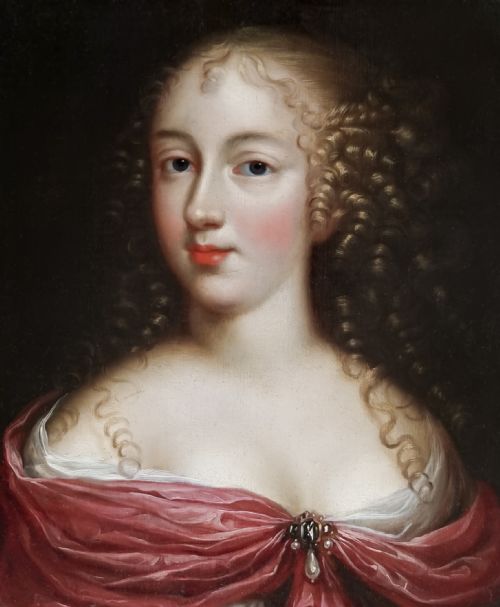
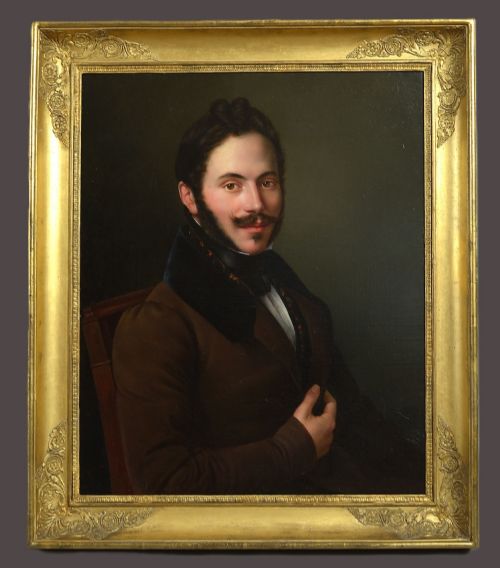
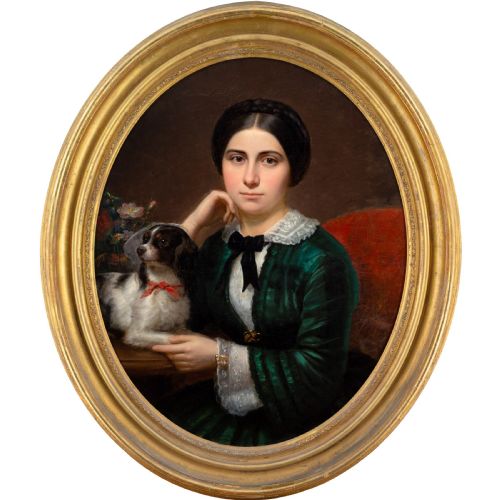
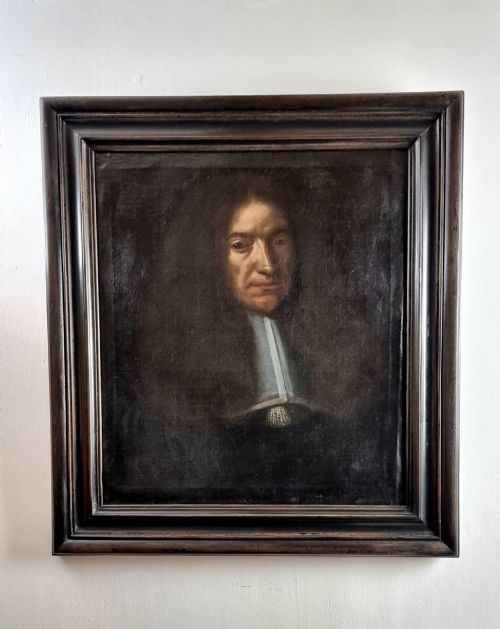
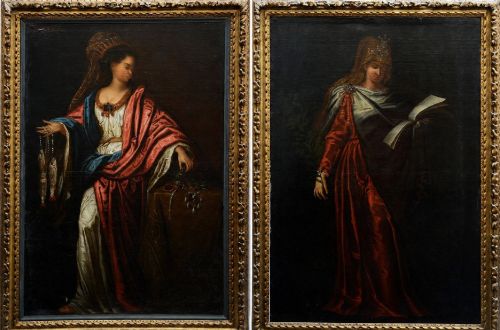
When searching for french school art, a buyer encounters oil paintings on canvas and panel alongside works on paper and decorative vases from various centuries. The 18th-century and 19th-century portraits dominate the selection, depicting officers, ladies, and gentlemen in formal attire or pastoral settings.
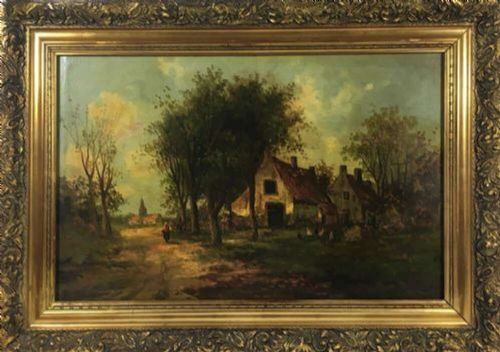
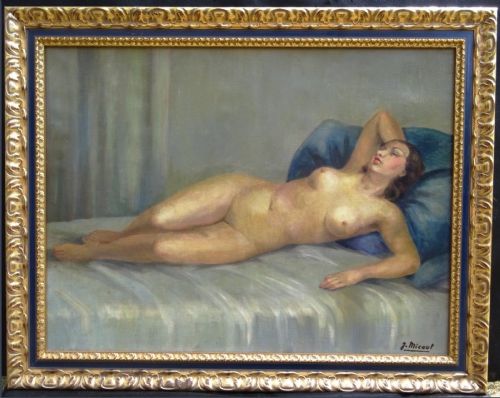
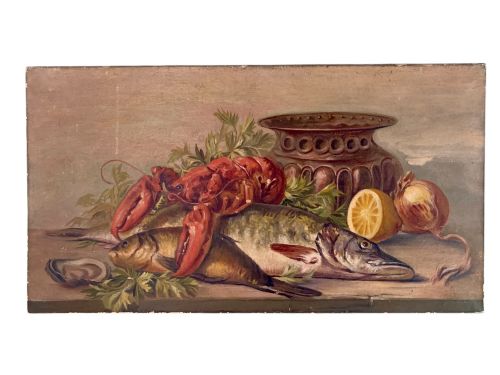
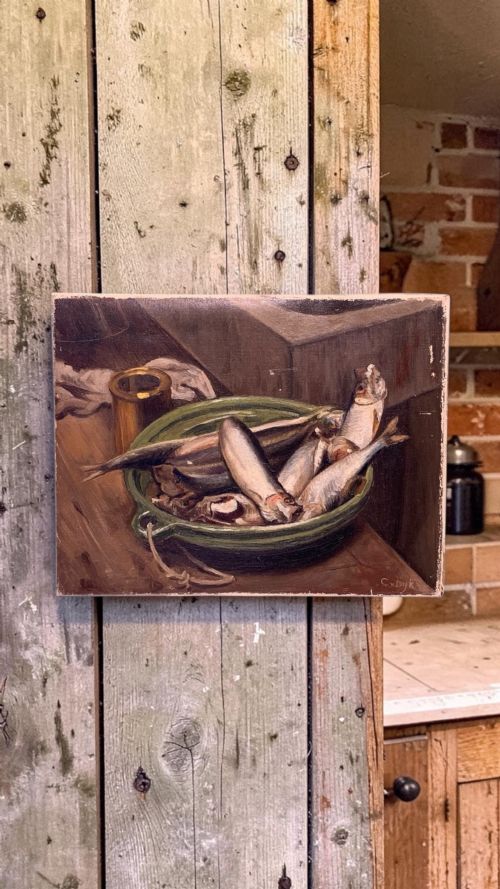
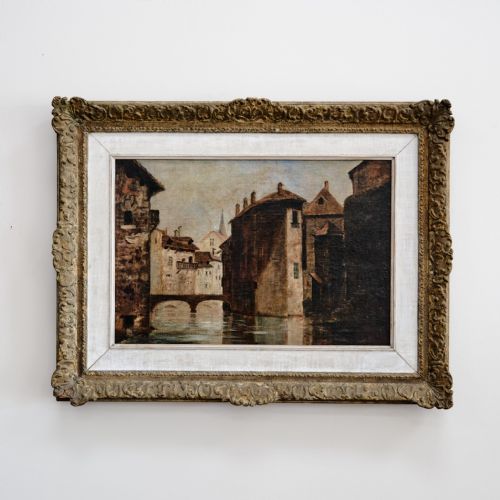
Beyond portraiture, the listings include Barbizon school landscapes, still life arrangements featuring fish and lobsters, and later Art Deco compositions. These pieces originate from named artists, followers, circles, or anonymous hands working within the French tradition.
Materials and methods
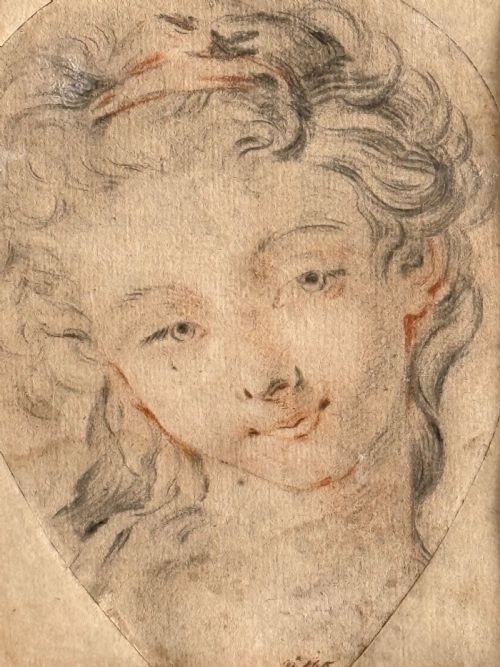
Glass works employ cameo and pate de verre techniques, while sculptures utilise cast bronze. Pastels and coloured pencils appear on paper supports for smaller scale portraits and drawings.
The listings feature oil paintings spanning from the 17th century through the 1960s, including works on canvas, panel, and paper.
Assessing quality in the selection
Quality reveals itself in the handling of light, anatomical proportion, and the psychological depth of portrait subjects. Masterful brushwork distinguishes works by named practitioners and skilled followers from naive provincial pieces.
The preservation of the original canvas, the subtlety of the pigment layering, and the integrity of the accompanying giltwood frame contribute significantly to the standing of an individual piece.
Pierre Mignard·Francois Boucher·Joseph Vivienne·Henri and Charles Beaubrun·Edouard Pingret·Paul Desire Trouillebert·Henry Berge·Amalric Walter·Emile Galle·Honore Cavaroc·Henri Jaques Delpy·Raymond Picque·Gaetan Dumas·Gabriel Dauchot·Alexis Simon Belle·Leopold Pascal
The French School Art Glossary
- Barbizon School
- A mid-19th-century movement focused on realist landscape painting inspired by nature. Artists painted en plein air to capture atmospheric light and rural scenery.
- Oil on Canvas
- Pigments bound with drying oils applied to a woven fabric support. This medium allowed artists to build rich textures and blend tones smoothly.
- Giltwood
- Wood carved and coated with a thin layer of gold leaf. It is commonly found on traditional frames surrounding antique portraits.
- Pate de verre
- A glass-making method involving crushed glass packed into a mould and fused in a kiln. This technique creates textured, colourful vessels with distinct translucency.
- Circle of
- A designation indicating an artist worked closely with a master during the same period and in a similar style, without being an exact pupil.
French School Art: Frequently Asked Questions
What defines french school art?
This category encompasses paintings, drawings, and objects produced by artists trained or working within the French artistic tradition across multiple centuries. The selection ranges from formal 17th-century court portraits to 20th-century impressionist and expressionist canvases.
Buyers often find works attributed to specific masters, followers of notable painters, or unsigned pieces created by provincial workshops. The unifying element is the stylistic lineage rooted in French aesthetics and academy training.
How were these paintings displayed?
Historical portraits and landscapes were typically commissioned for townhouses, chateaux, and salons to project status, lineage, or cultural refinement. They hung in formal reception rooms and private chambers, often paired with matching decorative objects.
Today, collectors place these canvases in both traditional period interiors and modern spaces to create contrast. Proper hanging involves avoiding direct sunlight to protect aged oil pigments and delicate gilt frames.
How do I identify the period?
Dating relies on stylistic clues such as costume, wig styles, and hair design depicted in portraits, as well as framing techniques and stretcher construction. Canvas types and pigment analysis also assist specialists in narrowing down the decade of creation.
Inscribed dates, signatures, or historical exhibition labels on the reverse provide definitive chronological markers. Comparing brushwork to dated comparative works by known followers helps confirm the era.
What is the Barbizon school?
The Barbizon school refers to a group of French painters active near the village of Barbizon who turned away from academic history painting toward direct landscape observation. They recorded rural farmyards, forests, and river scenes with atmospheric realism.
Works from this movement bridge traditional academic painting and the later emergence of impressionism. Their muted palettes and focus on natural light set a new standard for landscape art.