


French Sapphire Ring
A french sapphire ring brings together vibrant blue gemstones and intricate metalwork from the Edwardian, Art Deco, and mid-century periods.
French Sapphire Ring
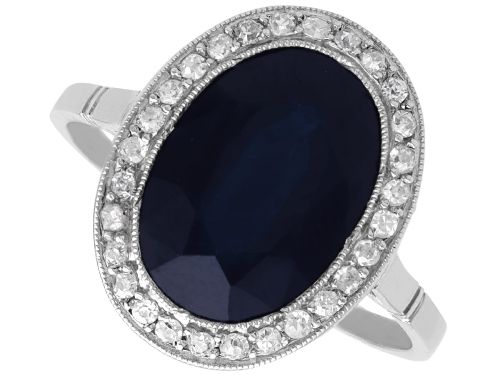
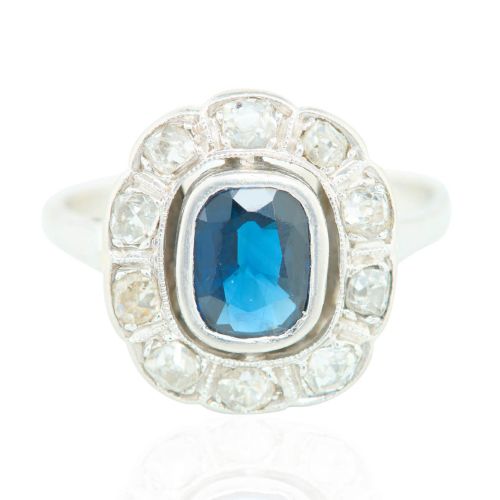
A french sapphire ring encompasses finger adornments created across the Edwardian era, the Art Deco period, and the mid-twentieth century, including the 1950s and 1960s. These pieces frequently manifest as clusters, plaques, target designs, and solitaires.
The version most commonly encountered on this page originates from the Art Deco period and utilises platinum alongside diamonds and sapphires. Such examples highlight geometric arrangements and precise stone setting.
Beyond rings, the broader record demonstrates that jewellers also applied these materials to earrings and other forms. The focus here remains firmly on finger ornaments featuring sapphire as the central stone.
How They Were Made
The construction of these pieces relies heavily upon platinum and various forms of gold, specifically 18ct white gold, 18ct yellow gold, and standard 18ct gold. Platinum gained favour during the early twentieth century for its strength in holding intricate gemstone settings.
Craftspeople integrated diamonds alongside sapphires, utilising old cut, transitional cut, rose cut, and baguette cuts. Sapphires themselves appear in faceted formats as well as smooth cabochon shapes.
Setting techniques visible in the material include pave work and cluster arrangements, where smaller diamonds surround a dominant sapphire. Goldsmiths also employed tricolour metal combinations and detailed plaque designs.
Listings include platinum and 18ct gold alongside sapphire, diamond, ruby, and natural pearl materials.
What Varies In Quality
The distinction between tiers of pieces rests upon the origin and treatment of the sapphire, with natural stones possessing specific geographical provenances such as Ceylon sitting at the upper end. Unheated stones and those with certified natural origins command greater attention from collectors.
Metal selection and weight contribute to the overall substance of the item, where solid platinum or substantial 18ct gold foundations elevate the physical presence of the ring. The complexity of the surrounding diamond work, including the weight and cut quality of the melee diamonds, further differentiates examples.
The French Sapphire Ring Glossary
- Cluster ring
- A design featuring a central gemstone surrounded by a border of smaller stones, typically diamonds encircling a sapphire.
- Plaque ring
- A flat, often geometric or pierced face design popular during the Art Deco period that displays multiple stones across a wider surface on the finger.
- Target ring
- A concentric circular ring style where bands of alternating gemstones create a bullseye pattern around a central point.
- Cabochon
- A gemstone shaped and polished with a smooth, rounded convex surface rather than faceted.
- Old cut diamond
- A precursor to the modern brilliant cut featuring a smaller table, higher crown, and open culet, commonly found in antique jewellery.
French Sapphire Ring: Frequently Asked Questions
What periods do these rings date from?
The pieces span from the Edwardian era through the 1920s and 1930s Art Deco movement into the 1940s, 1950s, and 1960s. Each era brings distinct metal choices and geometric or fluid design characteristics.
Art Deco examples frequently utilise platinum and precise stone cuts, while Edwardian and mid-century pieces often incorporate yellow gold and softer cluster configurations.
Are the sapphires natural?
Many stones originate from natural sources, with specific listings noting Ceylon origins and certifications confirming the absence of heat treatment. These natural characteristics contribute significantly to the identity of the jewellery.
Collectors look for specific terminology within descriptions regarding stone treatments and geographical sources to understand the provenance of the sapphire.
What metals were used?
Makers utilised platinum alongside 18ct white gold and 18ct yellow gold. Platinum became particularly popular during the early twentieth century for delicate and secure gemstone settings.
Tricolour combinations and mixed gold with platinum settings also appear across the selection, reflecting the stylistic preferences of different decades.
How do I identify Art Deco examples?
Art Deco rings are characterised by geometric motifs, platinum settings, and the use of calibre cut or baguette stones. These pieces often take the form of plaque or target designs.
The integration of old cut or rose cut diamonds alongside structured sapphire layouts provides a clear visual indicator of this aesthetic.