





French Salon Desk
These french salon desk pieces bring refined nineteenth-century seating and centre tables into modern rooms, offering elegance and practical surface space.
French Salon Desk
The term french salon desk covers refined nineteenth-century furniture designed for drawing rooms and boudoirs, though the current selection consists entirely of chairs and centre tables. Buyers searching this phrase will find seating options such as side chairs, armchairs, and salon chairs alongside occasional tables.
Most examples date from the Victorian period through to the early twentieth century, spanning decades from eighteen-fifty to nineteen-twenty. These pieces reflect historic revival movements rather than strict cabinetmaking of the original royal courts.
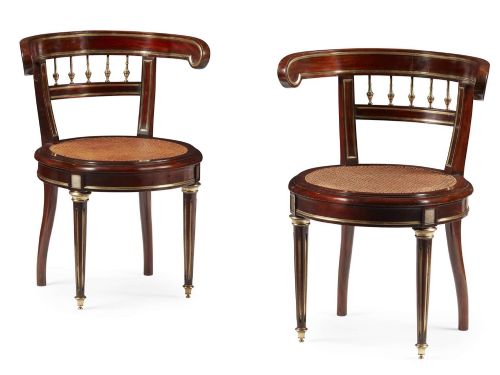
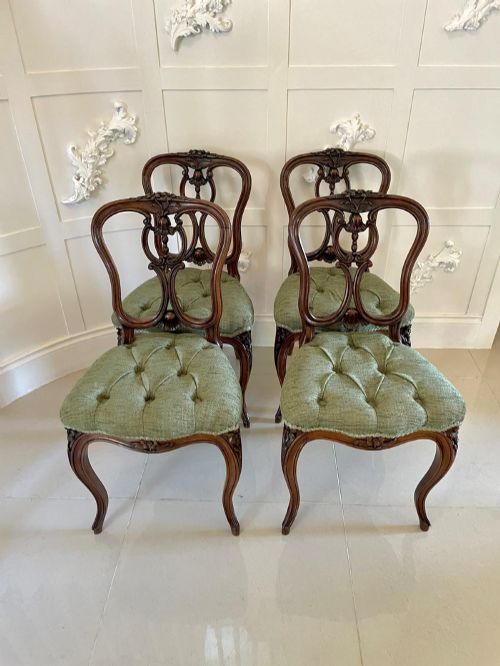
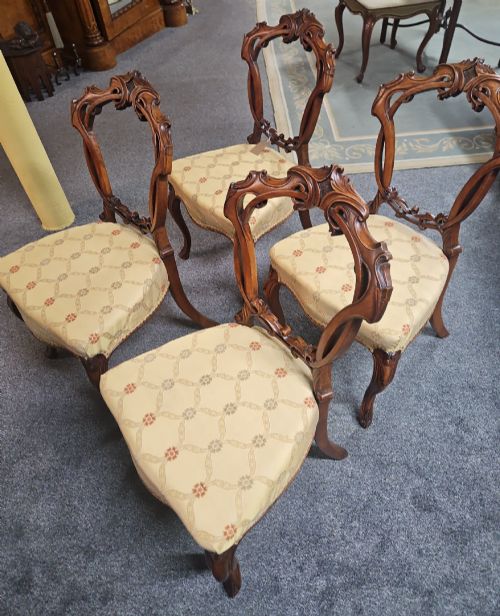
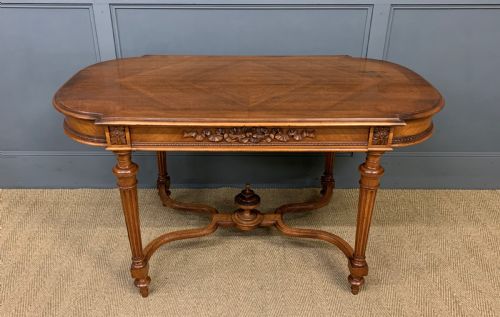
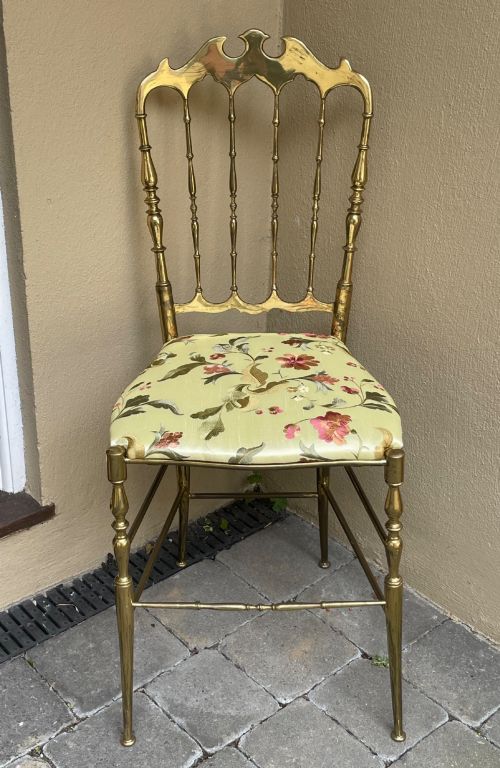
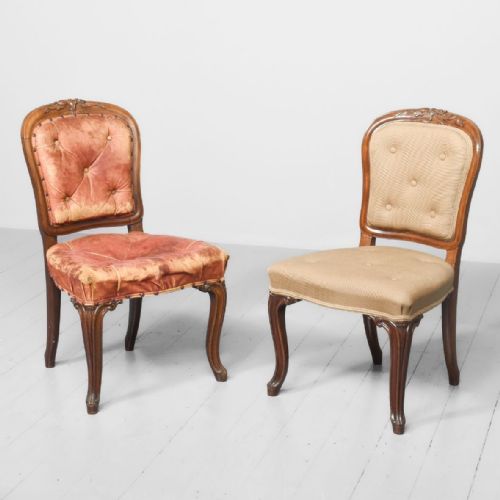
Seating dominates the choices available here, ranging from carved walnut side chairs to upholstered boudoir chairs and polished brass salon pieces. Centre tables in walnut provide the primary surface forms seen in this category.
Materials and Construction
Walnut and mahogany form the structural backbone of these items, shaped through traditional carving techniques into classical revival frames. Cabinetmakers utilised giltwood and painted wood alongside these primary timbers to achieve decorative contrast.
Many chairs incorporate upholstery fabric, silk, or other textiles supported by padding to ensure comfort in a parlour setting. Ormolu mounts and polished brass details add metallic accents to mahogany Empire Revival pieces.
French Salon Desk Retail Price Guide 2026
Typical asking prices for french salon desk among the pieces listed under this phrase on Sellingantiques today, from the lower quarter to the upper quarter. They describe what is for sale here now, not the wider market.
Current listings demonstrate a strong concentration of Victorian and early twentieth-century seating, predominantly executed in walnut and mahogany with various fabric upholsteries.
Assessing Quality and Execution
The crispness of the wood carving distinguishes standard production from superior craftsmanship in walnut and mahogany frames. Deeply undercut foliage and scrollwork demonstrate greater artisanal time investment than shallow stamping.
The integrity of the original joints and the preservation of polished or gilt surfaces dictate the standing of an item. Pieces retaining their structural firmness and genuine period mounts command stronger interest from collectors.
The French Salon Desk Glossary
- Ormolu
- Gilt bronze mounts applied to furniture woodwork. This technique enhances mahogany and walnut surfaces with metallic highlights.
- Fauteuil
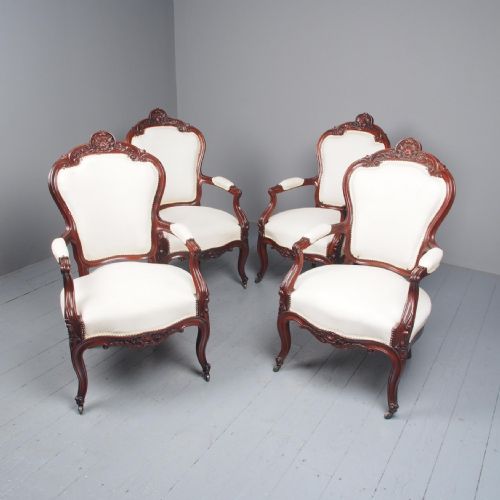
- An open-armed upholstered armchair with exposed wooden armrests. These pieces typically feature carved frames in walnut or mahogany.
- Rococo Revival
- A nineteenth-century style mimicking eighteenth-century curving asymmetry and floral motifs. This aesthetic appears frequently on Victorian chairs.
- Centre Table
- A freestanding table designed to be viewed from all sides in the middle of a room. Walnut examples serve as key surface pieces in this category.
- Boudoir Chair
- A small, comfortable upholstered chair intended for private rooms. These items often feature decorative fabric coverings and polished wooden frames.
French Salon Desk: Frequently Asked Questions
What rooms suit these pieces?
These chairs and tables fit comfortably into drawing rooms, bedrooms, and studies where traditional seating or display surfaces are required. Their relatively compact scale allows them to function effectively in both period and contemporary interiors.
They pair well with existing antique furnishings or serve as standalone accent pieces. A walnut centre table or a pair of salon armchairs adds character to a hallway or reception space.
Are these chairs comfortable?
Victorian and early twentieth-century salon chairs were built for social gatherings and conversational seating rather than lounging. Their padding tends to be firmer than modern upholstery.
Many pieces retain period fabric or have been reupholstered to maintain usable seating. Buyers should examine the internal support when considering daily use.
What is Empire Revival furniture?
Empire Revival pieces draw inspiration from nineteenth-century Napoleonic design, prioritising dark timbers like mahogany and striking metallic contrasts. This style conveys a heavier, more monumental presence than lighter rococo forms.
Such items frequently incorporate polished brass or ormolu mounts depicting classical emblems. Side chairs and armchairs from this group offer strong architectural silhouettes.