





French Rococo Shelf
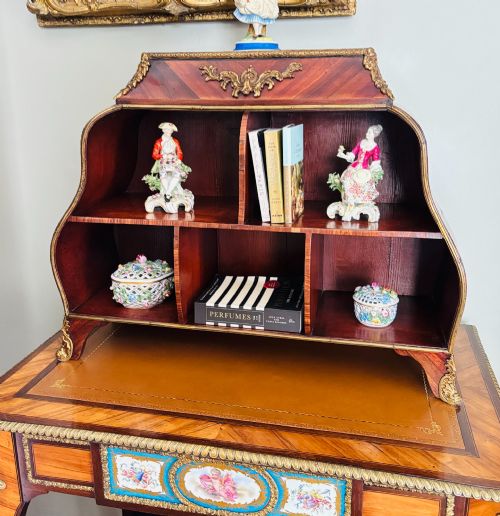
A french rococo shelf brings exuberant, curving asymmetry and opulent gilding into an interior, offering a decorative stage for small treasures.
French Rococo Shelf
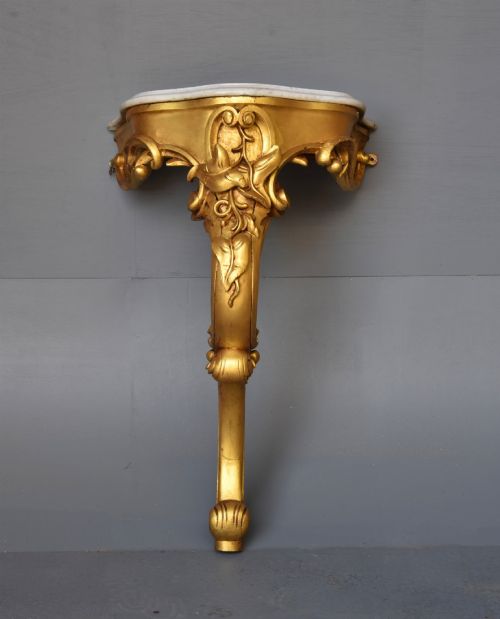
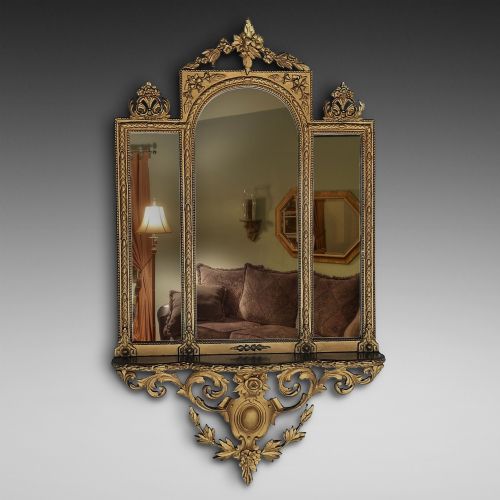
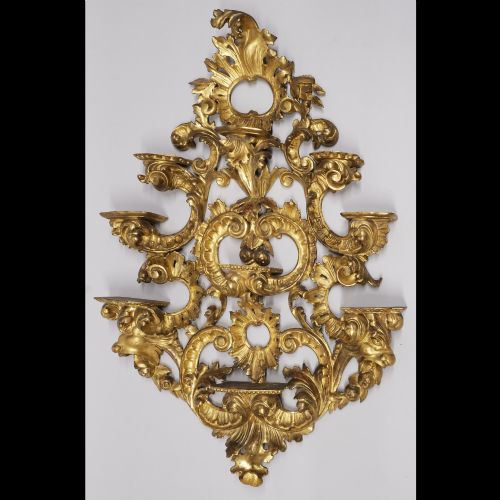
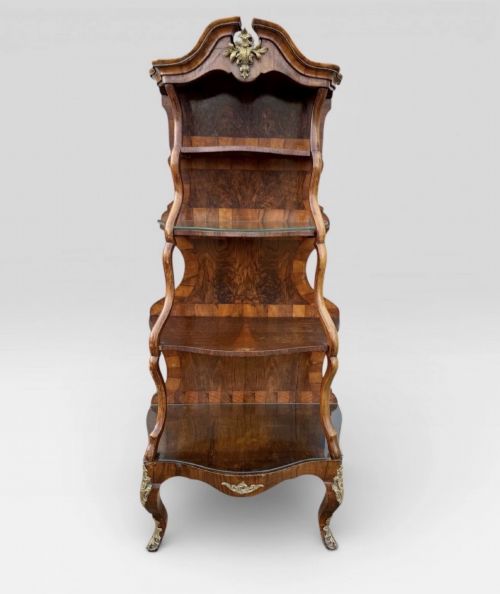
When searching for a french rococo shelf, a buyer encounters ornate wall brackets, wall étagères, and console shelves designed to project decorative forms into a room. These pieces emerge predominantly from the nineteenth century, including Victorian revivals and later twentieth-century interpretations.
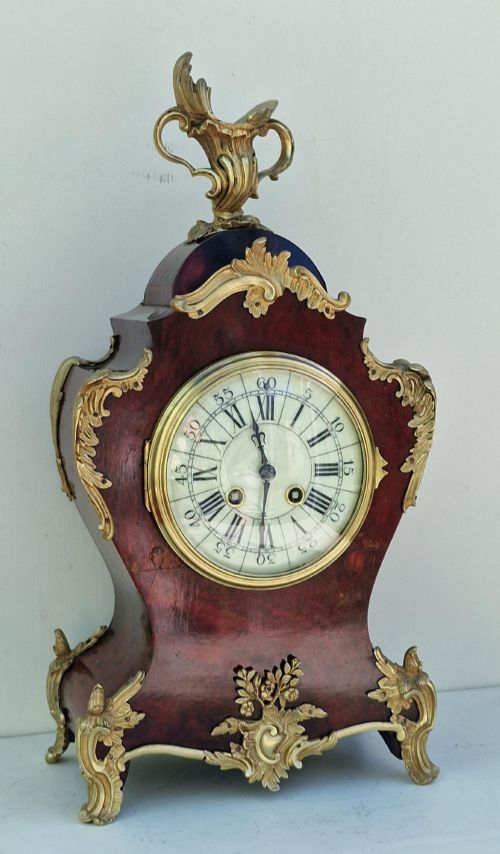
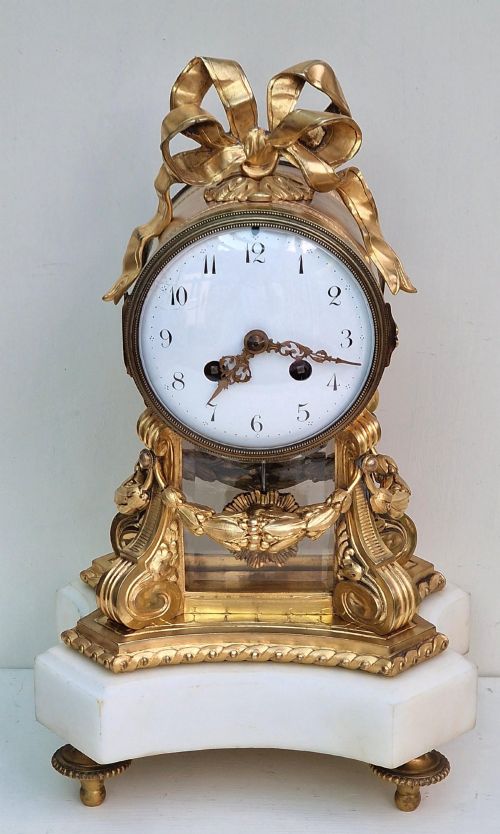
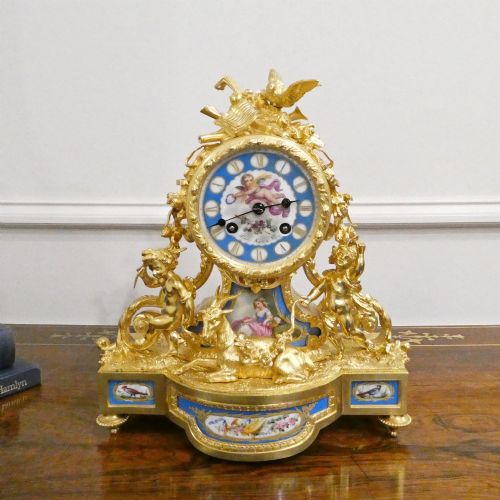
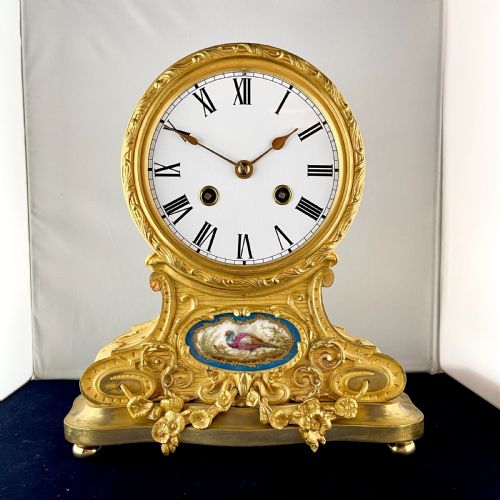
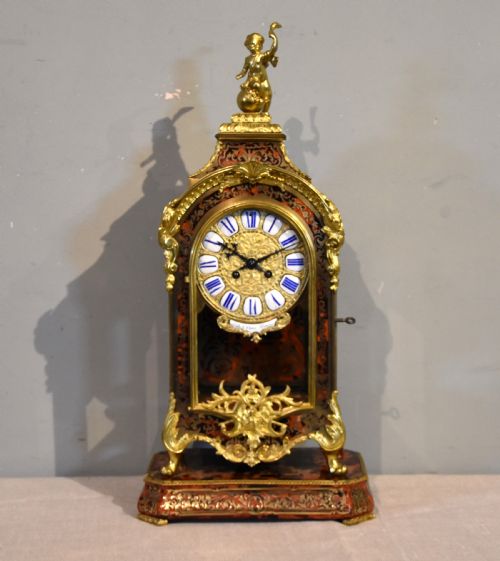
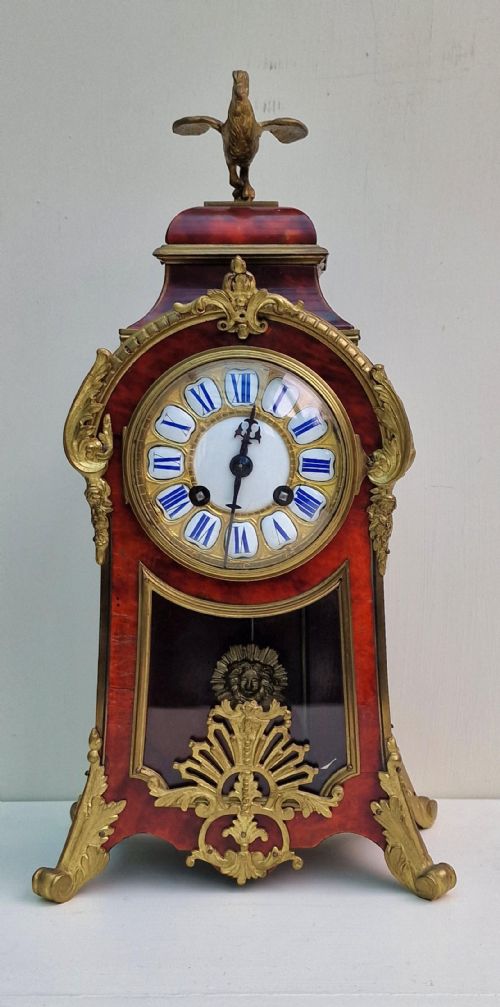
The common iterations span carved giltwood brackets, porcelain platforms, and painted wall consoles displaying the characteristic C-scrolls and naturalistic asymmetry of the style. These furnishings function both as architectural accents and as display ledges for mantel clocks, porcelain figures, and small collectibles.
Origins trace directly to French taste and subsequent British adaptations, capturing the essence of Louis XV design through elaborate ornamentation. The selection includes paired brackets and singular console shelves intended to anchor a room's decorative scheme.
Evaluating Quality and Execution
The distinction between tiers rests upon the depth and crispness of the carving, where hand-carved wooden details exhibit organic fluidity and precision superior to mechanical reproduction. Superior examples display harmonious proportions where the asymmetrical scrolls and foliate motifs feel balanced rather than crowded.
Material selection further defines the hierarchy, with heavy solid ormolu bronze mounts and genuine fire-gilding outperforming lighter plated brass substitutes. The quality of the underlying joinery and the preservation of the original gilding or painted finish determine the enduring integrity of the piece.
French Rococo Shelf Retail Price Guide 2026
Typical asking prices for french rococo shelf among the pieces listed under this phrase on Sellingantiques today, from the lower quarter to the upper quarter. They describe what is for sale here now, not the wider market.
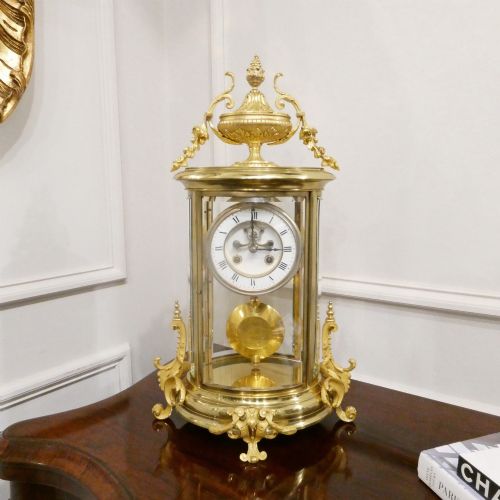
Listings feature items spanning the nineteenth century up to the nineteen-thirties, incorporating gilt bronze, porcelain, marble, and carved giltwood.
Samuel Marti·Henry Marc·Delettrez·Samson Paris
The French Rococo Shelf Glossary
- Ormolu
- Gilded bronze, where finely ground gold-mercury amalgam is applied to a bronze base and heated to leave a durable gold coating.
- Giltwood
- Timber that has been coated with thin sheets of gold leaf or gold dust over a prepared bole and gesso foundation.
- Étagère
- A piece of furniture consisting of a set of open shelves for displaying small objects or ornaments.
- Console Table
- A table supported by wall brackets or consoles, often designed to stand against a wall without independent corner stability.
- Rococo Revival
- The nineteenth-century resurgence of the ornate, asymmetrical Rococo style popularised during the reign of Louis XV.
French Rococo Shelf: Frequently Asked Questions
What is a french rococo shelf used for?
These shelves provide an elevated platform to display small decorative objects such as mantel clocks, porcelain figures, and cabinet bronzes. Their compact projections allow them to decorate wall spaces without occupying floor area.
Historically, they served to catch the eye in formal reception rooms, reflecting light from mirrors and framing key focal points within an interior scheme.
How do I distinguish original nineteenth-century pieces?
Examine the construction methods, such as traditional joinery marks, hand-carved tool impressions on the timber, and the patination of the gilt bronze or ormolu mounts. Genuine nineteenth-century items display age-appropriate wear and heavier, solid material composition.
Revival pieces from the twentieth century often utilise different assembly hardware and lack the cumulative surface softening found on older gilded and painted finishes.
Where should I mount a wall bracket?
Wall brackets require secure anchoring into solid masonry or substantial wall studs to support the combined weight of the shelf and any displayed object. Positioning them at eye level or flanking a mirror or mantelpiece maximises their visual impact.
Ensure the surrounding wall space allows the asymmetrical scrolls and carved projections to breathe without crowding adjacent furniture.
What defines the rococo style?
The style is characterised by elaborate, C-shaped and S-shaped curves, shell motifs, and asymmetrical arrangements inspired by natural forms like foliage and rockwork. Originating in France during the eighteenth century, it prioritised lightness, grace, and theatrical decoration.
Revival periods in the nineteenth century reinterpreted these swirling motifs with heavier Victorian proportions and diverse material combinations.