


French Rococo Pier Glass
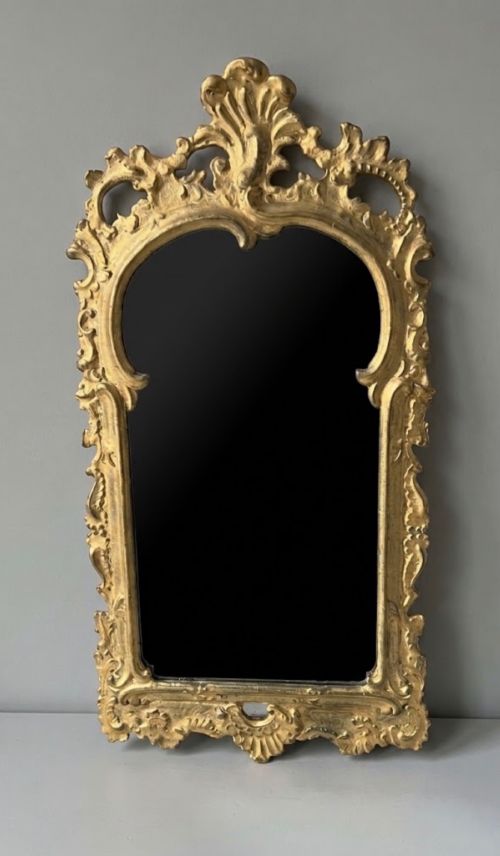
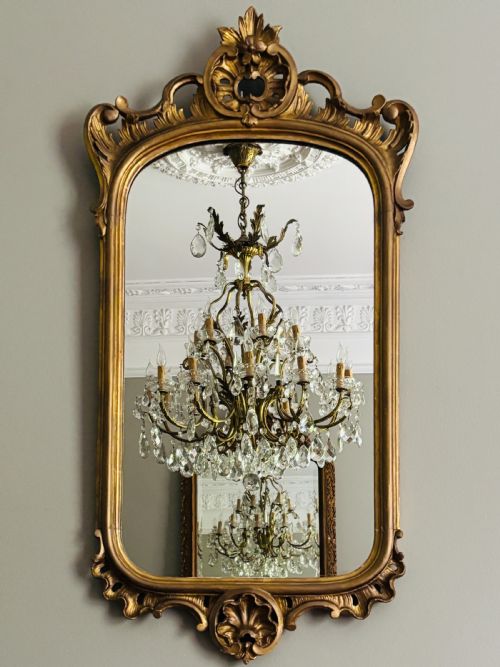
French rococo pier glass mirrors bring asymmetrical grandeur and gilded warmth into a room, serving as monumental focal points that draw the eye upward.
French Rococo Pier Glass
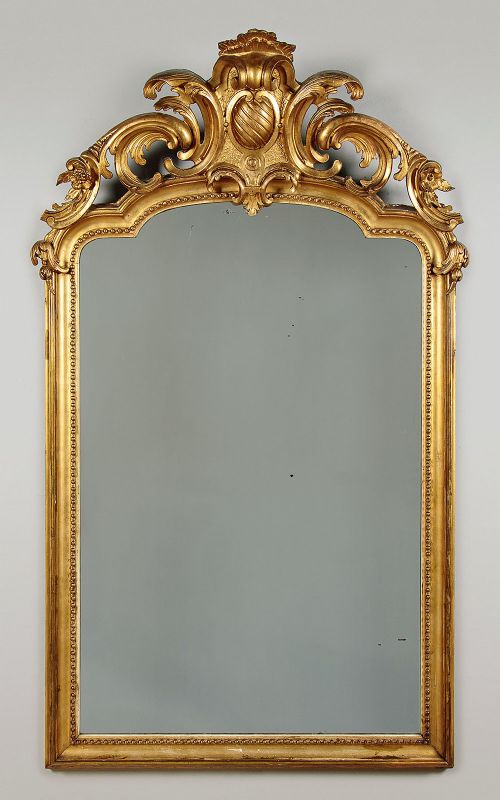
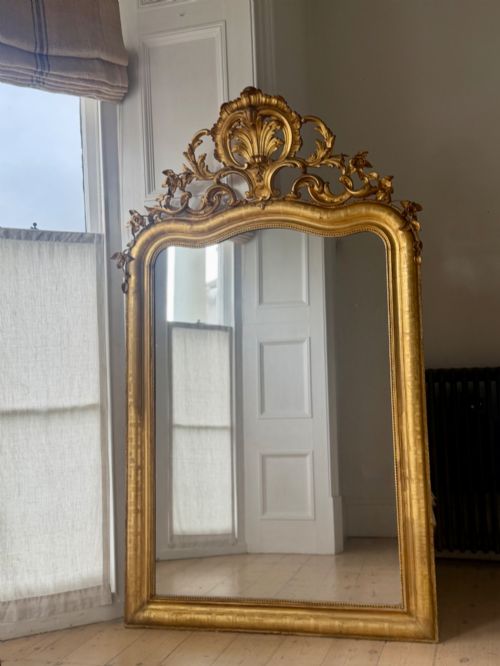
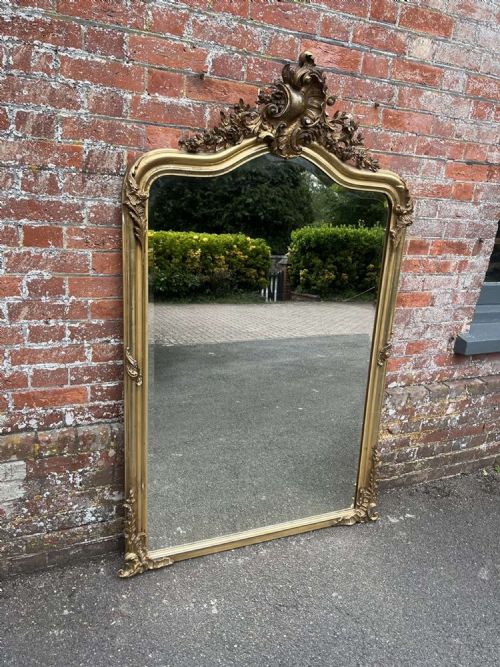
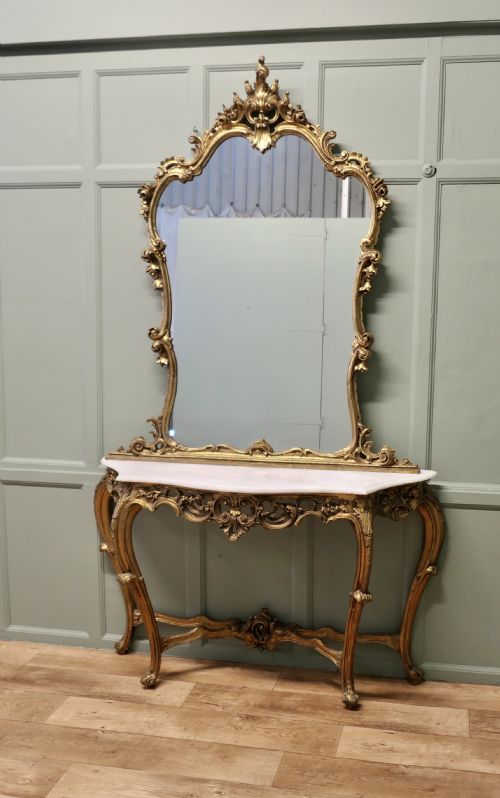
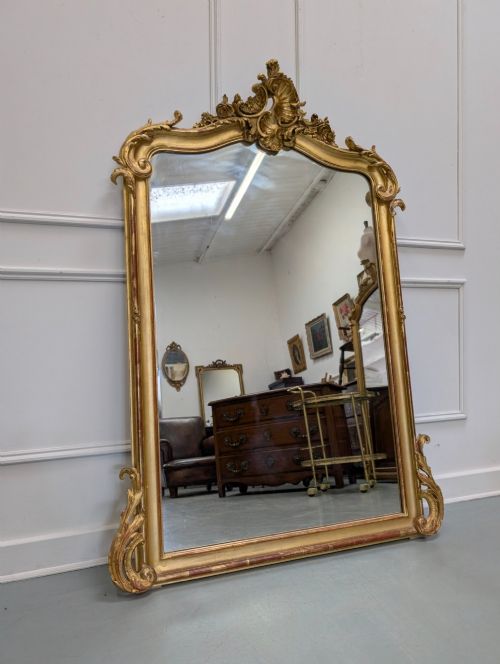
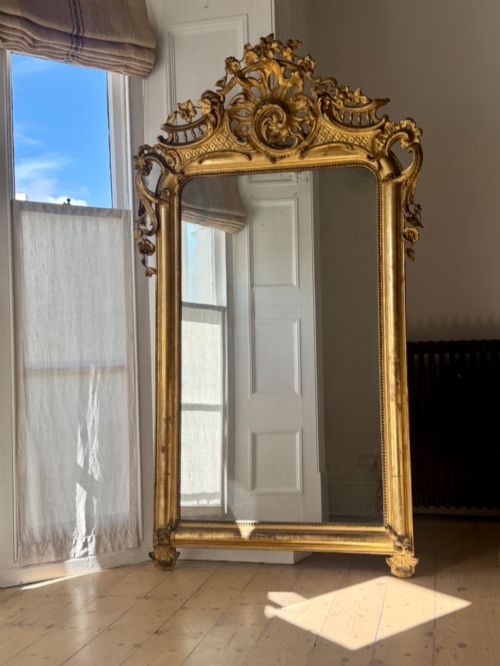
A French rococo pier glass is a tall, ornate wall mirror designed specifically to hang on the narrow pier of wall space between windows. These pieces combine elaborate carved frames with tall reflective plates, often accompanied by matching console tables to anchor them in the interior scheme. The form appears frequently in nineteenth-century interpretations of Louis XV design, featuring characteristic serpentine lines and organic scrollwork.
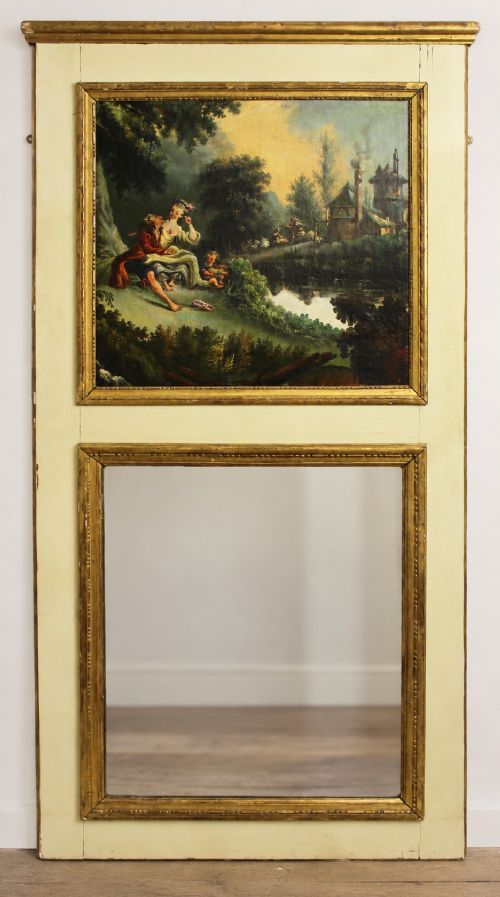
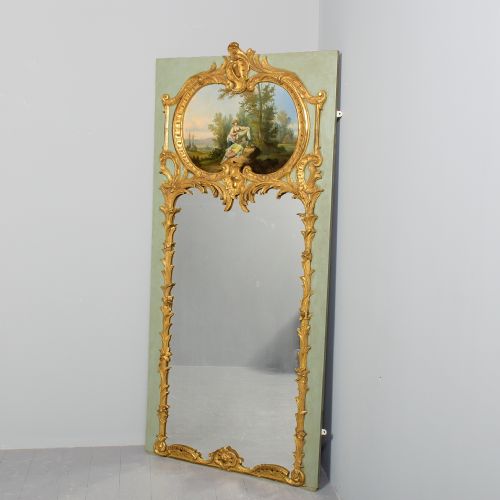
Buyers encounter numerous variations on this page, spanning the eighteenth century through to the early twentieth century. Many examples employ traditional trumeau panels incorporating oil paintings or eglomise glass above the main mirror plate. Others present monumental proportions in giltwood and gesso, designed to dominate high-ceilinged reception rooms.
Materials and construction
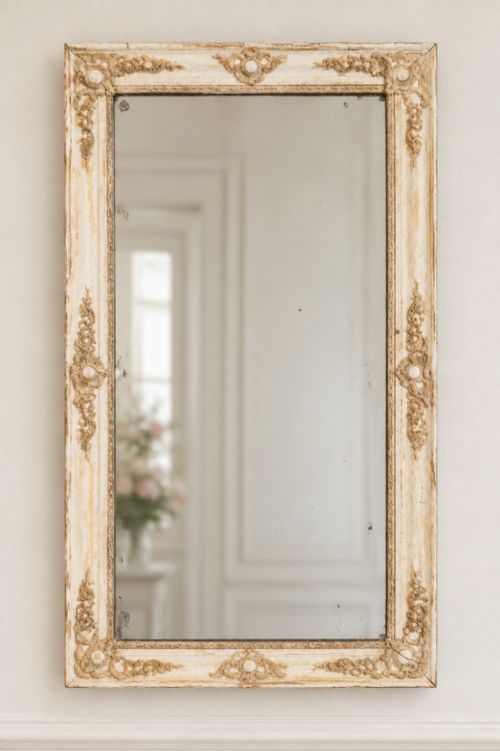
Frames are constructed primarily from wood, heavily built up with layers of gesso to allow for deep, flowing sculptural carving. Artisans applied gold leaf, silver leaf, or paint over the gesso ground, creating richly textured surfaces that caught the candlelight of period interiors. Certain pieces incorporate marble elements within associated console tables or display painted pastoral scenes.
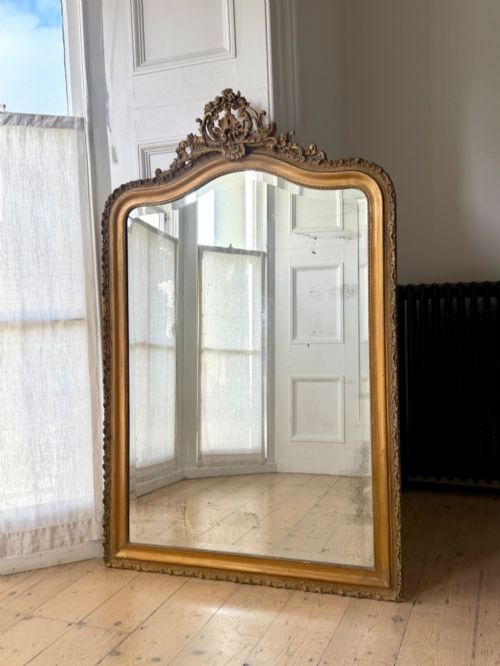
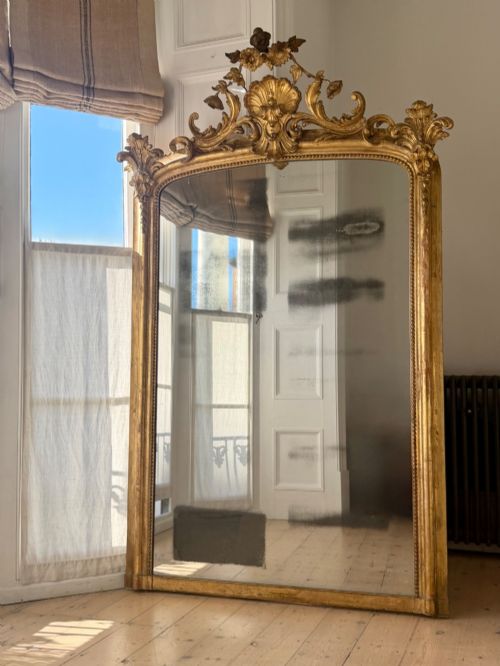
Reflecting surfaces consist of traditional mirror glass or older mercury glass, the latter often showing age-related foxing and mottling across the plate. Eglomise panels, featuring reverse-painted glass decoration, appear in selected trumeau variations alongside oil paintings on canvas.
French Rococo Pier Glass Retail Price Guide 2026
Typical asking prices for french rococo pier glass among the pieces listed under this phrase on Sellingantiques today, from the lower quarter to the upper quarter. They describe what is for sale here now, not the wider market.
Some nineteenth-century mirrors secretly harbour pastoral oil paintings above the glass, doubling as fine art.
Judging quality and craftsmanship
Quality rests in the depth and crispness of the hand-carving within the wood and gesso frame, where fluid asymmetrical scrolls replace rigid symmetry. Superior examples display meticulous articulation of leaf motifs and rocaille shellwork that reads as organic rather than mechanical.
The integrity of the original mercury glass plate or silvering contributes significantly to the character of the piece, alongside the preservation of the original giltwood or parcel-gilded surface. The harmony between mirror and console table, where paired, determines the cohesion of the ensemble.
The French Rococo Pier Glass Glossary
- Pier glass
- A tall mirror designed to hang on the wall space between two windows. It often stands above a matching console table.
- Gesso
- A plaster-like mixture applied to wood frames to provide a smooth ground for subsequent carving, gilding, or painting. It allows for intricate decorative relief work.
- Mercury glass
- An early form of double-walled silvered glass popular in antique mirrors, typically exhibiting characteristic dark spots known as foxing.
- Trumeau
- An architectural wall panel incorporating a painted canvas, eglomise panel, or mirror glass within a decorative wooden frame. It frequently appears above fireplace mantels or pier spaces.
- Eglomise
- A decorative technique involving cold painting and gilding on the reverse side of glass panels. It produces a reflective, metallic sheen with detailed ornamentation.
French Rococo Pier Glass: Frequently Asked Questions
Where should I hang a pier glass?
These tall mirrors suit narrow wall spaces between windows or grand reception rooms where vertical proportions can be fully appreciated.
Positioning them to reflect natural light helps brighten darker interiors while maintaining traditional architectural balance.
What is a trumeau mirror?
A trumeau mirror integrates a decorative painting or eglomise panel directly above the glass plate within a unified frame.
This style gained popularity in French interiors for adding narrative artwork alongside reflective surfaces.
Can I place a console table beneath it?
Many pier glasses were originally created alongside matching console tables to form a complete architectural ensemble for the wall.
Standalone mirrors also function effectively above existing console tables or decorative sideboards.