




French Rococo Pastoral Art
French rococo pastoral art brings idyllic rural scenes and romantic courtly charm into your interior through oil paintings, tapestries, and delicate prints.
French Rococo Pastoral Art
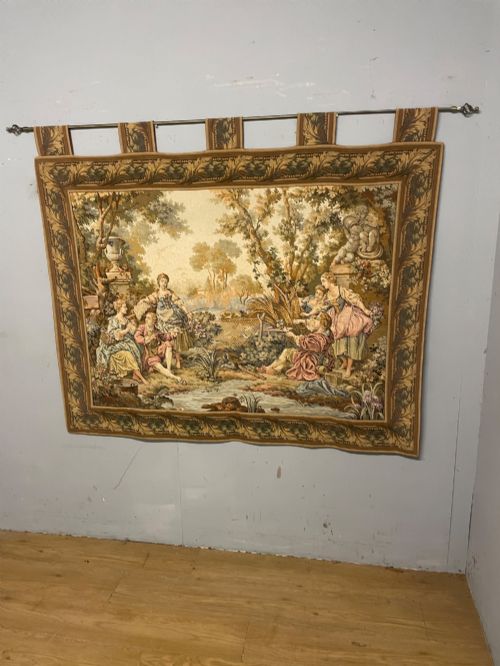
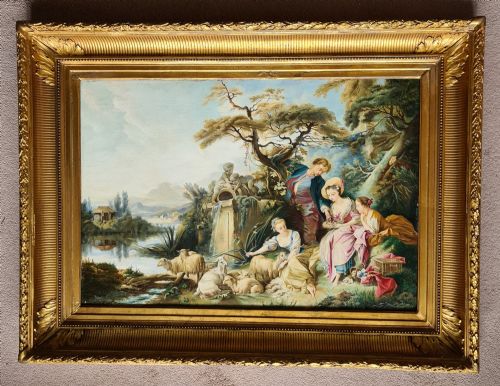
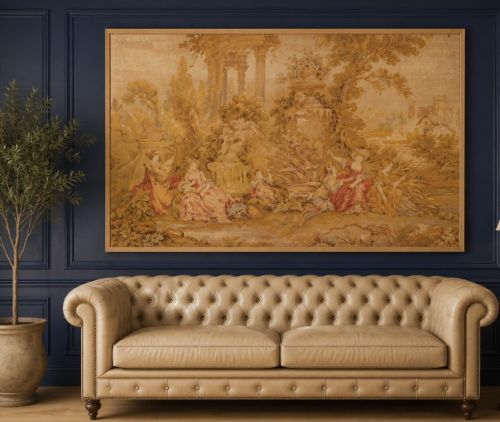
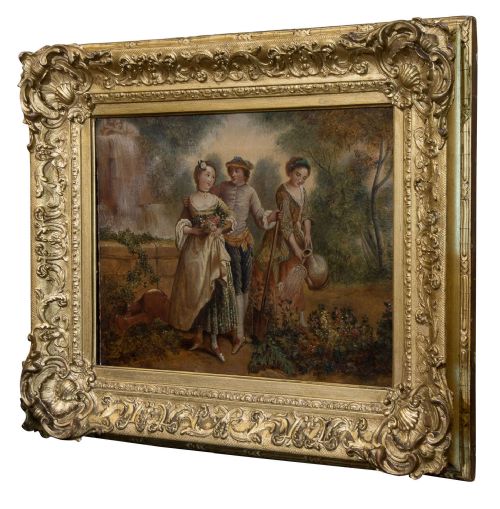
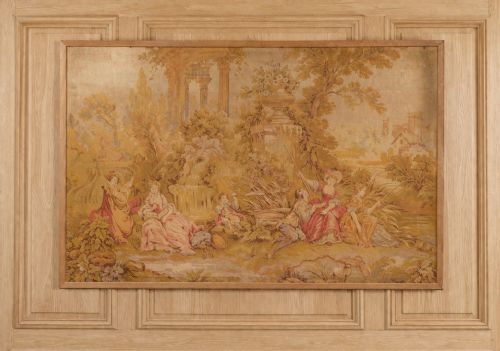
French rococo pastoral art centres on romanticised rural idylls, shepherds, musicians in woodland settings, and courtly figures at leisure. When searching for French rococo pastoral art, buyers encounter oil paintings, miniature paintings, framed woven tapestry panels, and engravings after masters.
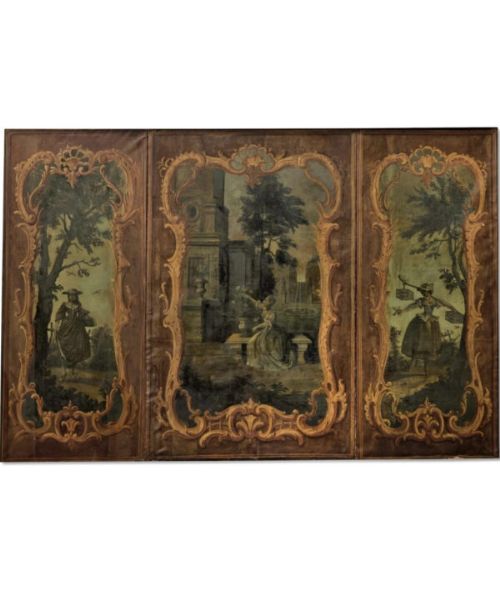
The pieces available span both the eighteenth century and the nineteenth century, including revival works and later interpretations after renowned painters. Domestic interiors benefit greatly from these decorative panels, grand grisaille and polychrome triptychs, and wall hangings.
Compositions frequently draw directly upon or follow the work of celebrated artists like Francois Boucher, Jean-Antoine Watteau, Jean-Baptiste Joseph Pater, and Huet. These works capture the whimsical essence of French chateau aesthetics through pastoral themes and delicate figures.
Materials and construction methods
Painters utilised oil paint and oil on canvas, applying pigments with refined brushwork to render woodland scenes and pastoral figures. Canvases are frequently housed within decorative frames adorned with gesso and gold leaf.
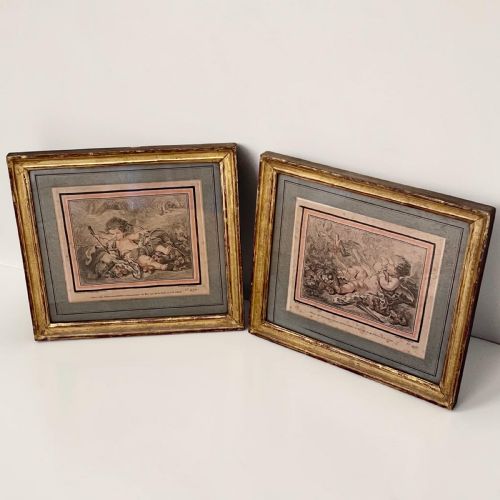
Woven tapestries employ wool to construct large wall hanging panels with intricate pictorial details. Engravings and miniature paintings offer smaller scale alternatives executed on paper or delicate supports.
Birds feature frequently in woodland scenes, reminding viewers that eighteenth-century courtiers loved pretending to herd sheep between bouts of birdsong.
Assessing quality in pastoral art
Quality appears in the nuance of brushwork and the expressive detail of figures within oil paintings and miniatures. Finer pieces demonstrate superior draughtsmanship and harmonious colour palettes that echo eighteenth-century originals.
Tapestries and woven panels vary according to the density of the weave and the preservation of the wool fibres. Original framing involving period gold leaf and gesso also distinguishes higher grade decorative items.
Francois Boucher·Jean Antoine Watteau·Jean Baptiste Joseph Pater·Huet·Demarteau
The French Rococo Pastoral Art Glossary
- Grisaille
- Painting executed entirely in shades of grey or neutral monochromatic tones. This technique often mimics sculpture or creates architectural depth within decorative panels.
- Polychrome
- Decoration executed in multiple distinct colours. The term describes paintings and triptychs utilising a full palette rather than a single monochrome tone.
- Triptych
- A picture or relief carving on three panels hinged together side by side. Grand examples combine grisaille and polychrome sections for wall hanging.
- Engraving
- A print made by cutting a design into a metal plate. Impressions are then inked and transferred onto paper to reproduce popular compositions.
- Chateau
- A large French country house or castle. Items styled in this manner reflect the opulent interior decoration historically found in such estates.
French Rococo Pastoral Art: Frequently Asked Questions
What subjects appear in French rococo pastoral art?
These works depict idealized rural scenes, shepherds, musicians in woodland settings, and aristocratic figures enjoying leisurely pursuits. Compositions frequently celebrate romanticized country life influenced by eighteenth-century court taste.
Subjects often mirror famous pastoral paintings by masters like Boucher and Watteau, translating theatrical rustic charm into domestic wall art and tapestries.
How do eighteenth and nineteenth-century pieces differ?
Eighteenth-century items originate directly from the period of rococo popularity, featuring period materials and authentic age-related patination. Nineteenth-century pieces typically comprise revival works, copies, and interpretations created after earlier masters.
Both periods utilise similar media such as oil on canvas, wool tapestries, and engravings, yet reflect the specific manufacturing contexts of their respective eras.
Where were these tapestries and paintings displayed?
Historic pieces hung within country houses, grand salons, and French chateaux to provide decorative warmth and sophisticated visual narrative. Large framed tapestry panels and wall hangings decorated expansive wall spaces.
Smaller miniatures and engravings suited more intimate rooms, boudoirs, and cabinets of curiosity within domestic interiors.
How should I care for canvas and tapestry art?
Oil paintings on canvas require stable indoor humidity and protection from direct sunlight to preserve the oil paint and gold leaf gesso frames. Gentle dusting with a soft brush maintains the surface.
Woven wool tapestries benefit from hanging away from direct heat sources and sunlight to prevent fibre degradation and fading over time.