


Antique French Miniature Art
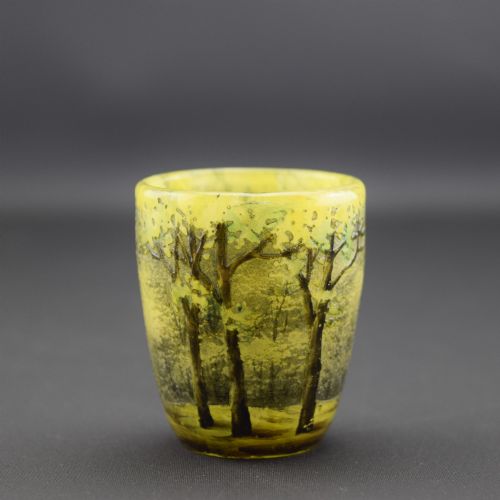
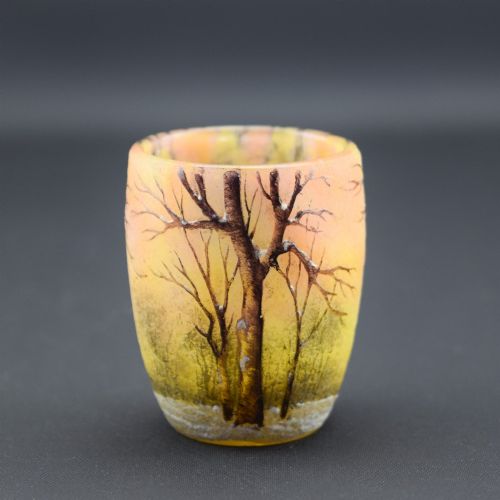
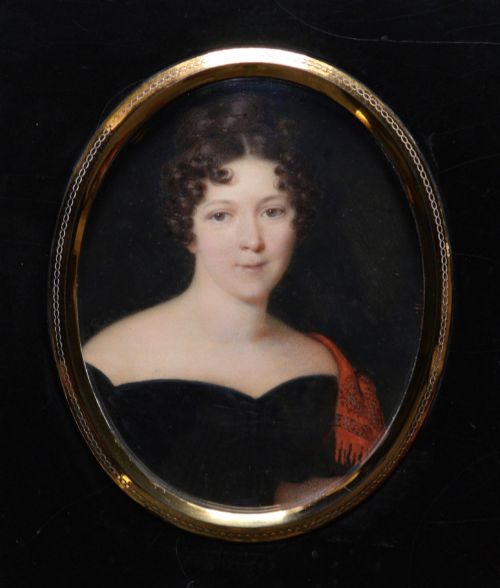
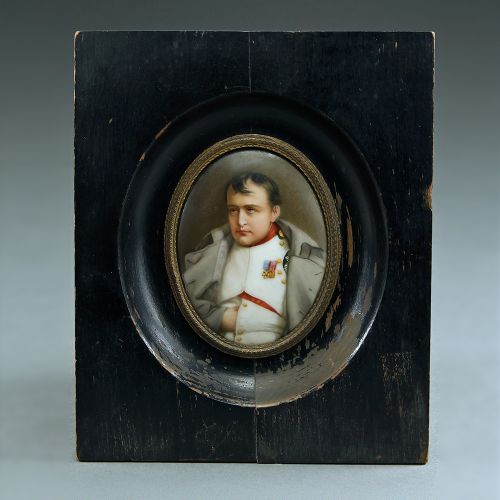
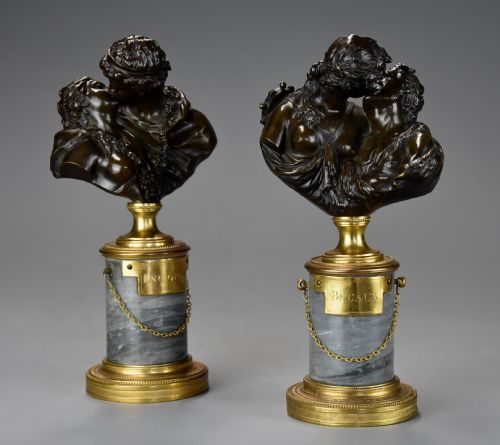
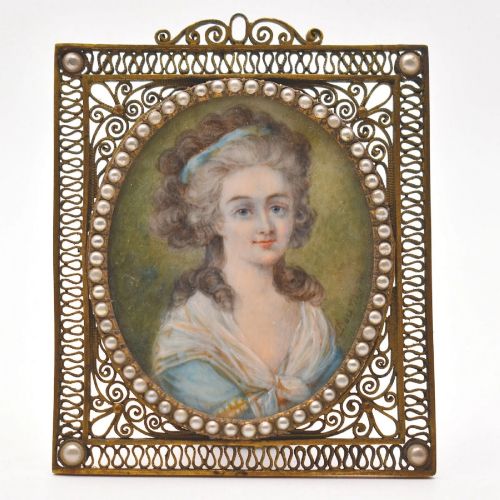
These pieces of antique french miniature art span portraits on porcelain, delicate bronzes and painted panels from the eighteenth, nineteenth and twentieth centuries.
Antique French Miniature Art
Antique french miniature art encompasses a diverse range of small-scale works including portrait miniatures on porcelain and paper, painted plaques, bronze figures, and devotional shadow boxes. When searching for antique french miniature art, collectors encounter objects spanning the eighteenth century through to the art deco period of the 1930s. These works often draw inspiration from classical paintings, historical figures such as Napoleon, and traditional pastoral scenes.
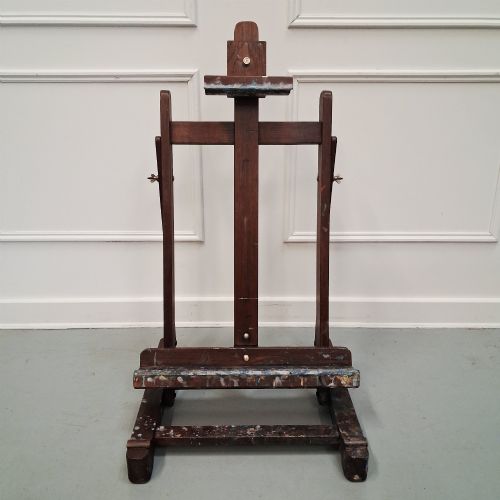
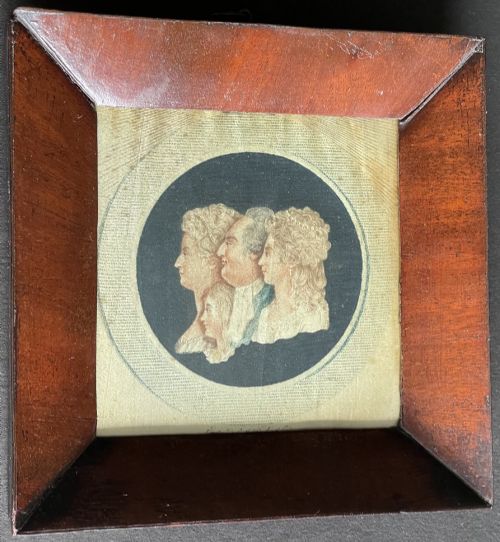
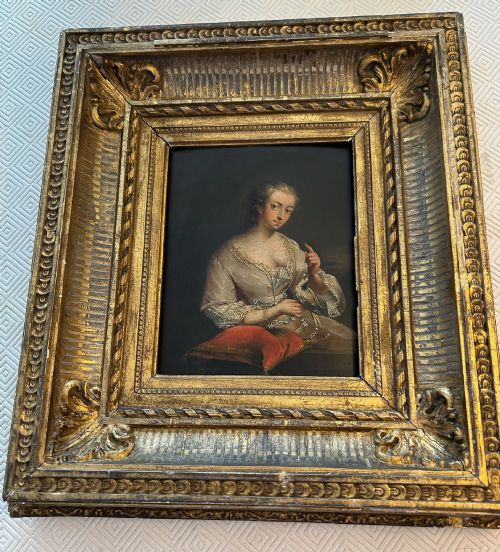
Portrait miniatures and small painted panels form a large portion of the available pieces, frequently housed in giltwood, brass, or carved wooden frames. Miniature sculptures in bronze and glass objects also appear alongside tabletop display easels designed specifically for small artworks. Originating from various french regional and artistic traditions, these items reflect both formal academic painting styles and decorative folk art.
Materials and methods of construction
Makers utilised a variety of durable materials including porcelain, copper, glass, and metal to construct these small-scale works. Enamelling techniques, particularly associated with Limoges, involved fusing powdered glass to metal substrates under intense heat to create lasting painted plaques.
Pigments were applied with extreme precision in watercolours, gouache, oils, and porcelain paints to capture fine details on surfaces measuring only a few inches. Frames and display pieces were constructed from seasoned woods, giltwood, brass, and leather, frequently incorporating seed pearls and hand-carved ornamentation.
A tiny painted dog quietly observes the woodland musicians from the corner of a nineteenth-century Boucher-style miniature.
Distinctions in quality and execution
The degree of fineness in the brushwork and the precision of the facial expressions dictate the artistic merit of painted portrait miniatures. Signed works attributed to known artists or established workshops generally demonstrate superior compositional balance and pigment blending.
The integrity of the original housing, whether a cast bronze mount, a Limoges enamel frame, or a carved wooden shadow box, influences the overall character of the piece. Materials such as fire-gilt bronze, high-grade enamel, and hand-carved frames indicate a higher tier of period craftsmanship.
Daum Freres·H. Desprez·Jaz·Bayard·Paul Lelong
The Antique French Miniature Art Glossary
- Portrait miniature
- A small-scale painting, typically executed on ivory, vellum, paper, or porcelain, capturing the likeness of a specific individual. These works were often intended to be worn as jewellery or kept in protective travel cases.
- Limoges enamel
- Enamelwork produced in the French city of Limoges, known for painted plaques on copper bases. This technique reached high levels of refinement during the nineteenth century.
- Giltwood
- Wood that has been treated with a thin layer of gold leaf or gesso and gold paint. It frequently frames antique paintings and mirrors.
- Gouache
- An opaque water-based paint composed of pigment, water, and a binding agent such as gum arabic. It dries to a matte finish and allows for dense, saturated colour application.
- Shadow box
- A deep, enclosed glass-fronted frame used to display three-dimensional objects, small sculptures, or devotional figures protected from dust.
Antique French Miniature Art: Frequently Asked Questions
What subjects appear most often in antique french miniature art?
Portraits of historical figures, nobility, and children dominate the painted works, alongside mythological scenes and landscapes after classical masters. Religious subjects and still lifes also feature within specific devotional shadow boxes and painted panels.
Many compositions derive from famous larger oil paintings housed in institutions like the Louvre, adapted down to intimate cabinet scale for private collectors.
How were these miniature objects displayed originally?
Small portraits were frequently carried in pocket cases, worn on chains, or mounted into interior wall panels. Larger painted porcelain plaques and bronzes were designed to sit on desks, mantelpieces, or dedicated tabletop easels.
Clockwork timepieces and devotional shadow boxes served as functional or meditative room ornaments in domestic interiors.
How do I distinguish eighteenth-century pieces from nineteenth-century works?
Stylistic indicators such as Regency or Neoclassical costume details, framing styles, and signature conventions help separate periods. Eighteenth-century pieces often reflect Rococo or Neoclassical court aesthetics, while nineteenth-century works frequently reinterpret earlier historical motifs.
Material analysis of the backing supports, glass types, and mounting screws also provides reliable chronological markers for dating.
Are these miniature pieces signed by the artists?
Some pieces bear artist signatures, monograms, or workshop attributions inscribed directly onto the painted surface or porcelain reverse. Famous painting houses and enamel workshops often stamped their metal components or frames.
Unsigned works remain common, reflecting the anonymous output of provincial ateliers and commercial decorative studios of the period.