

French Rococo Frame
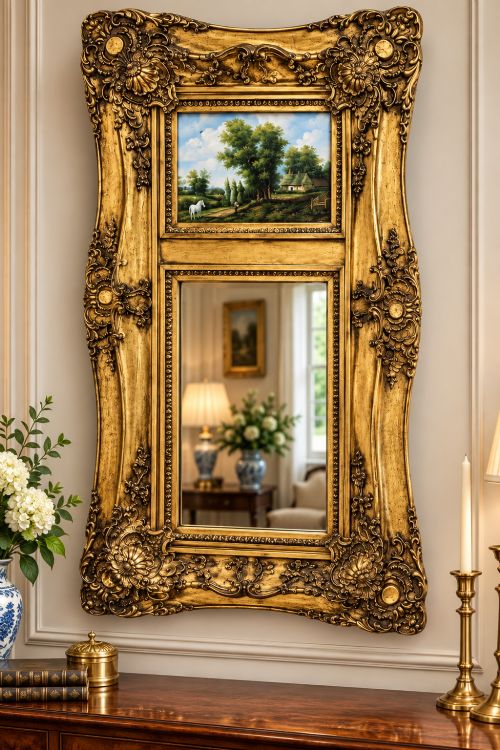
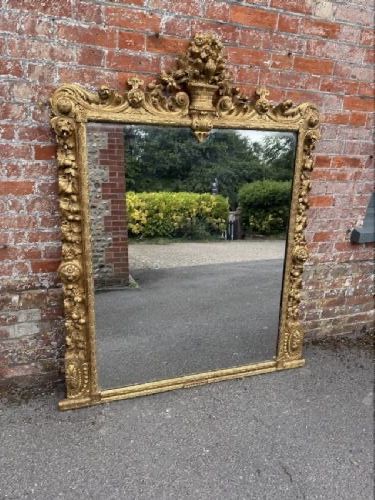
A french rococo frame brings asymmetrical curves, scrolling foliage and rich gilding into a room.
French Rococo Frame
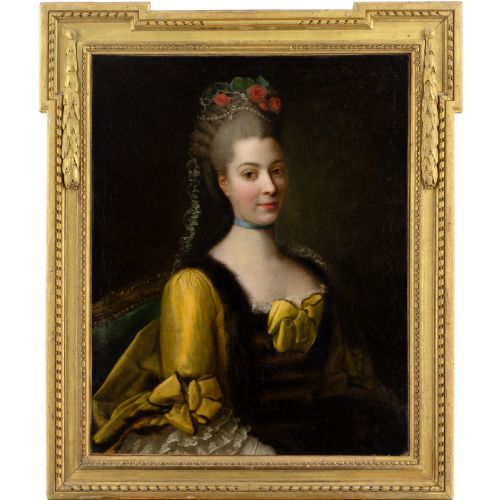
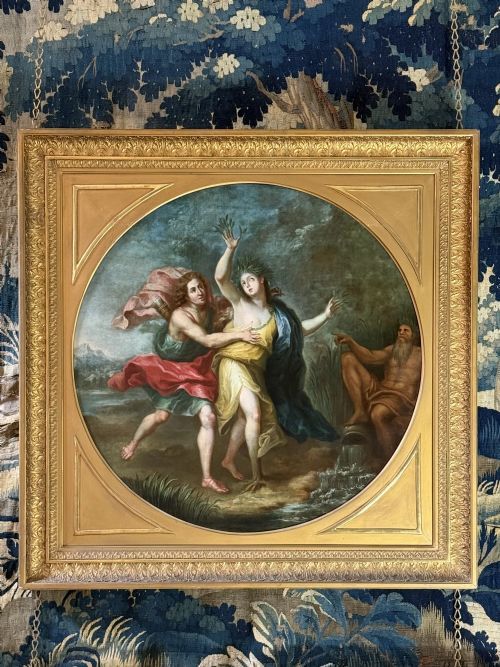
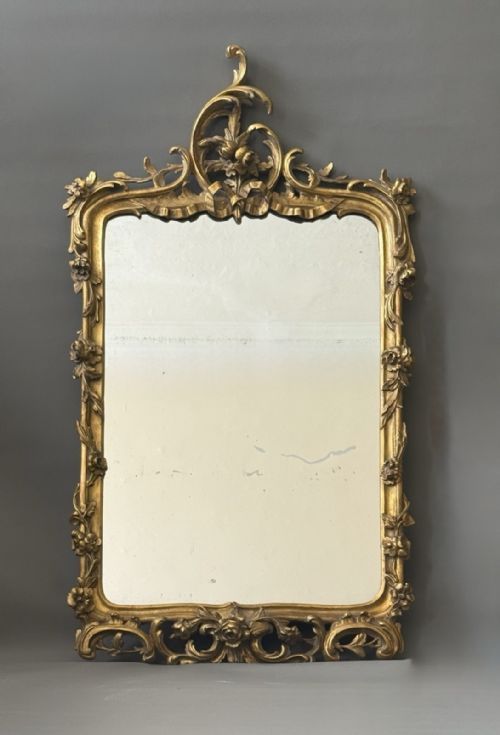
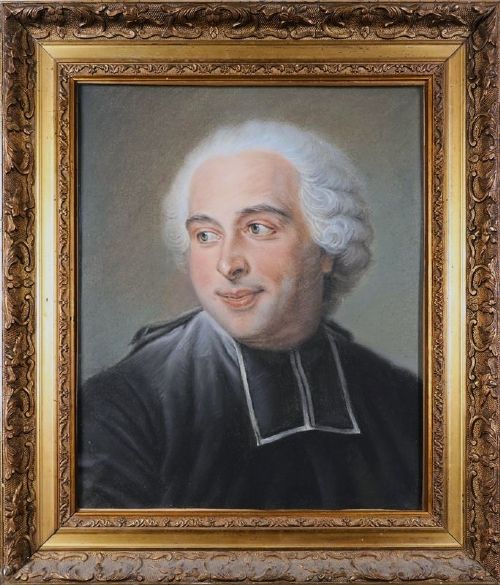
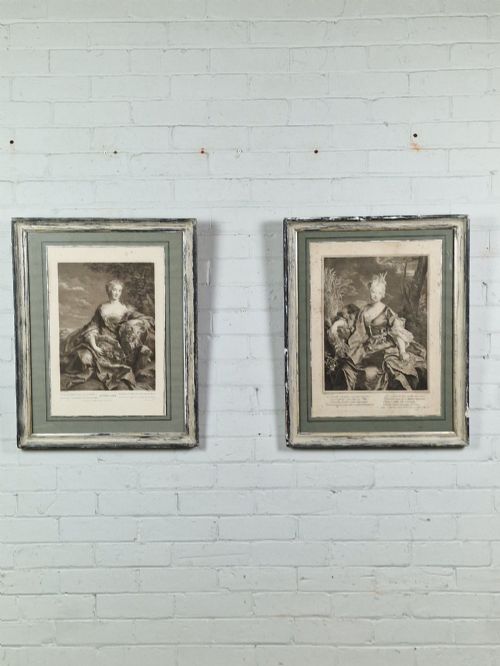
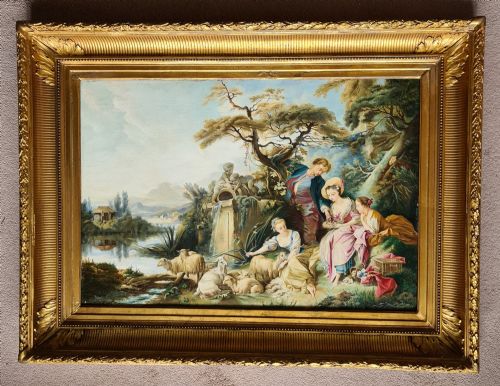
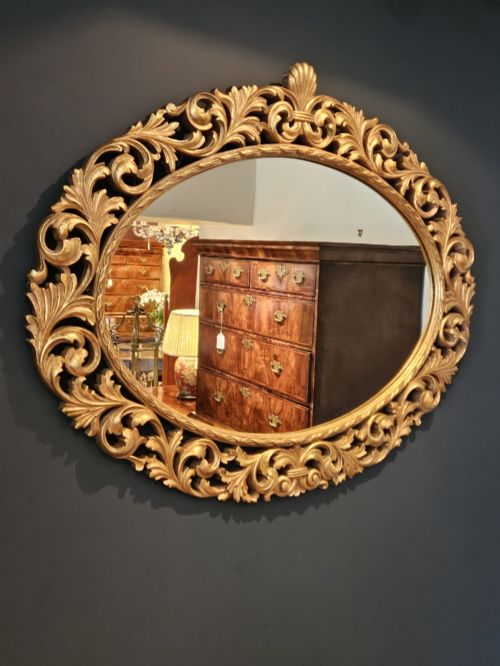
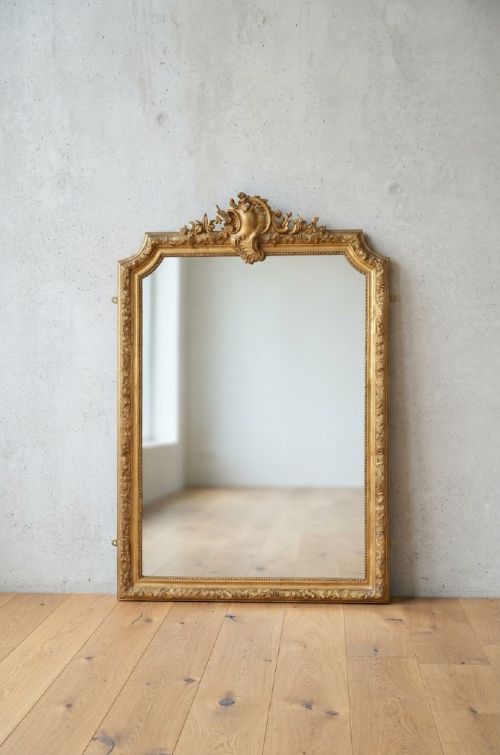
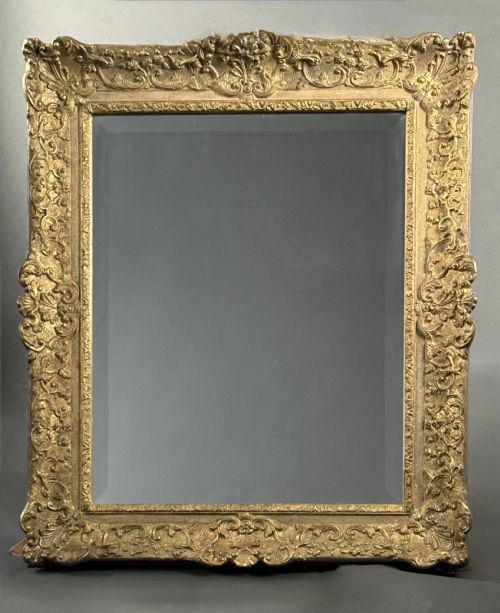
A french rococo frame surrounds wall mirrors, overmantels and fine art with elaborate carved ornamentation. The most frequent examples on this page date from the eighteenth and nineteenth centuries, spanning periods of original production and later nineteenth-century revival styles.
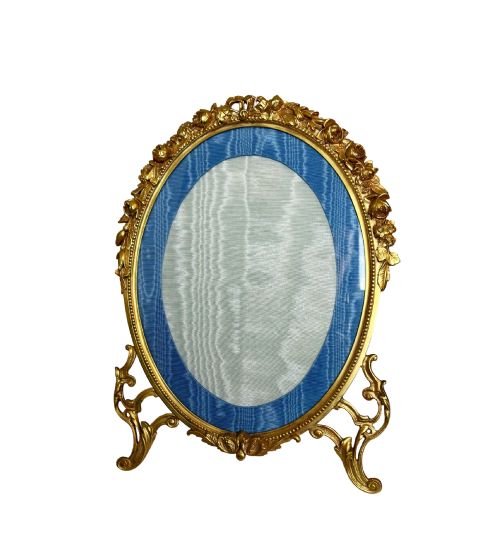
Makers and artisans constructed these objects primarily to command attention in grand salons and domestic interiors. Forms range from compact picture frames and table mirrors to large architectural overmantel and trumeau mirrors featuring integrated pastoral paintings.
The aesthetic embraces lightness, scrollwork and organic motifs rather than rigid symmetry. Surviving items often combine wood, gesso and glass with original mercury plates or antique bevelled mirror glass.
Materials and construction
Carpenters carved the underlying structural forms from timber such as oak, walnut or pine before applying layers of gesso to build up the relief. This plaster ground allowed craftsmen to carve intricate floral garlands, scrolls and asymmetrical cartouches directly onto the surface.
Gilders applied thin sheets of gold leaf or silver-gilt over bole to the prepared gesso, burnishing the metal to achieve a deep, reflective sheen. Alternatively, pieces received liquid or parcel gilding, sometimes accented with gilt bronze mounts.
Some frames still whisper tales of past salons by clinging to traces of seventeenth-century mercury glass reflecting centuries of changing rooms.
Assessing craftsmanship
Quality rests in the crispness and depth of the hand-carved detail within the gesso and wood. Sharp, undercut foliage and balanced asymmetry distinguish superior work from shallow, mechanical moulding.
The integrity of the original gilding and the character of the mirror plate heavily influence desirability. Retaining original mercury glass or untouched gold leaf marks a higher tier of preservation compared to later re-gilding.
Charles-Antoine Coypel·Maurice Quentin de la Tour·Francois Boucher·Hyacinthe Colin de Vermont
The French Rococo Frame Glossary
- Giltwood
- Wood coated with gold leaf applied over a prepared gesso ground. This finish provides the characteristic metallic brilliance seen on period frames and mirrors.
- Gesso
- A plaster mixture applied to wood to create a smooth surface for carving and gilding. Artisans modelled fine relief details directly into this material.
- Mercury glass
- A double-walled glass blown with a silvering mixture between the layers, common in older mirrors. It produces a mottled, dark reflection distinct from modern silvered glass.
- Trumeau
- A decorative wall mirror paired with an oil painting or panel above the glass. These tall vertical pieces frequently anchor period French interiors.
- Cartouche
- An ornamental tablet or frame resembling a scroll with rolled edges, often placed centrally at the crest of rococo woodwork.
French Rococo Frame: Frequently Asked Questions
How do I date a french rococo frame?
Dating relies on examining the construction timber, the composition of the gesso, and the manufacturing technique of the mirror plate. Eighteenth-century examples typically feature hand-carved pine or oak with mercury glass, while nineteenth-century revival pieces often display machine-sawn elements and standard bevelled plate glass.
Secondary clues include the backing boards, fixings, and the specific style of the gilding layers. Consulting the wear patterns on the gold leaf helps differentiate a period piece from a later revival version.
Were these always meant for mirrors?
Many frames were originally created to house oil paintings, portraits, or engravings rather than glass. Over the centuries, some picture frames were adapted to hold mirror plates due to the high value and utility of decorative glass.
Examining the rebate and the depth of the inner edge reveals whether a piece was constructed to hold canvas or a reflective plate. Both formats share the characteristic asymmetrical scrolling ornament of the style.
How do I hang a heavy overmantel frame?
Large overmantel mirrors and frames require secure fixing directly into wall studs or masonry using heavy-duty brackets suited to the weight of timber and glass. The substantial mass of carved gesso and wood demands professional installation to ensure stability.
Distributing the load across multiple points prevents stress on the original antique frame structure. Ensuring the hanging wire or integrated mirror rings are structurally sound protects the antique integrity.
What is the difference between original and revival pieces?
Original eighteenth-century pieces embody the authentic craftsmanship and materials of the reign of Louis XV, showing natural wear consistent with age. Revival pieces, produced during the nineteenth century, replicate these motifs with nineteenth-century industrial techniques and varied styling influences.
Both categories command respect among collectors, but they reflect different eras of European design history. Understanding the specific period markers helps clarify whether a piece dates to the peak of the movement or its later Victorian revival.