

French Rococo Brass Lamps
These french rococo brass lamps combine elaborate scrolling forms with warm metal finishes to bring mid-nineteenth to early twentieth-century decorative lighting into modern interiors.
French Rococo Brass Lamps
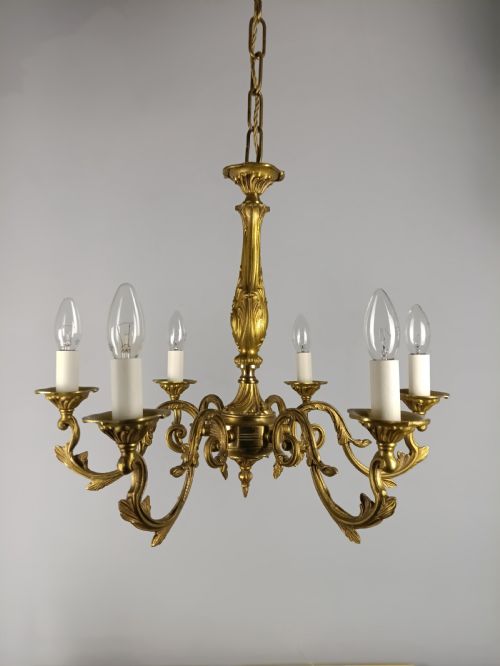
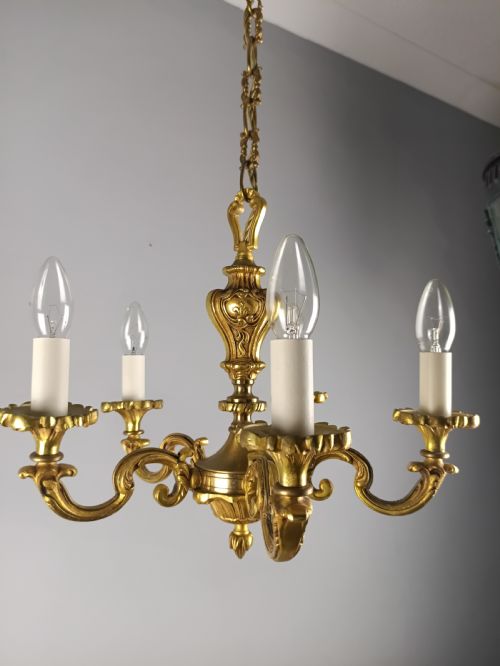
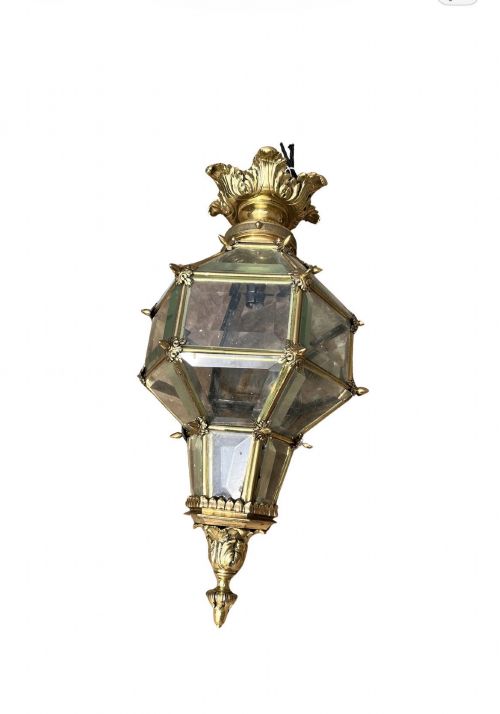
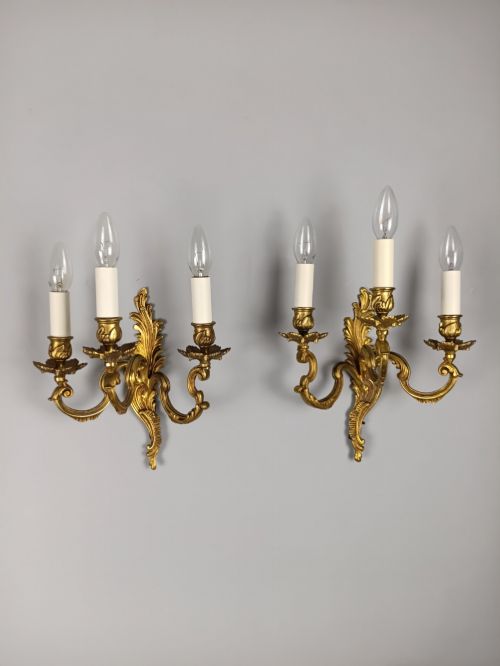
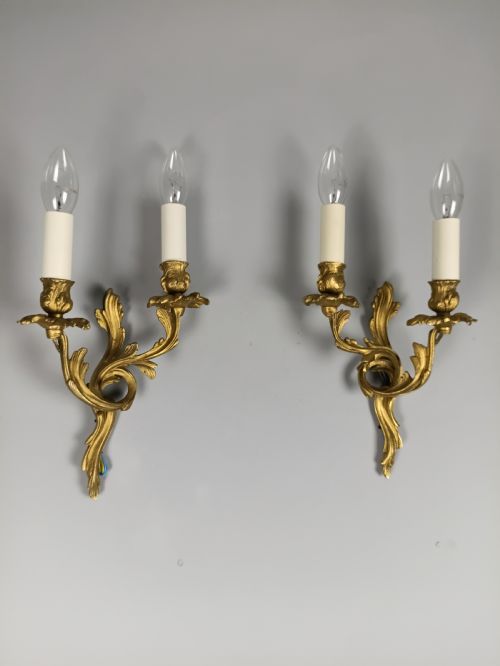
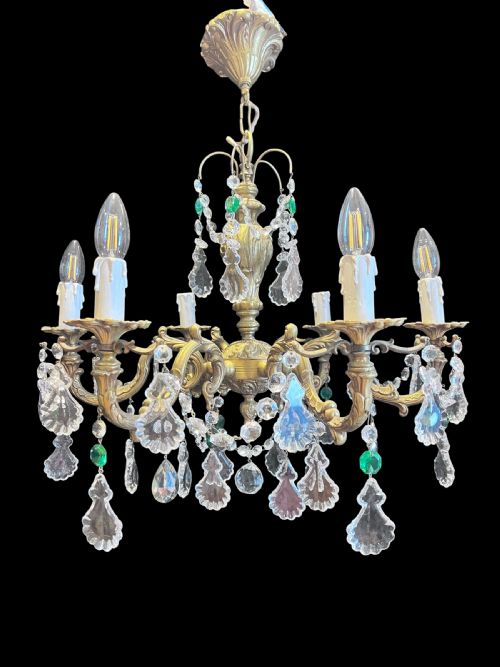
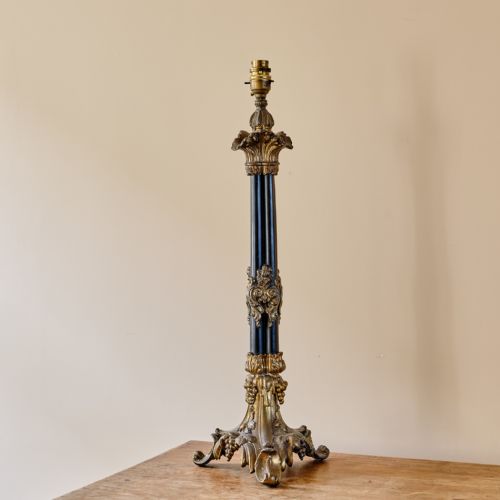
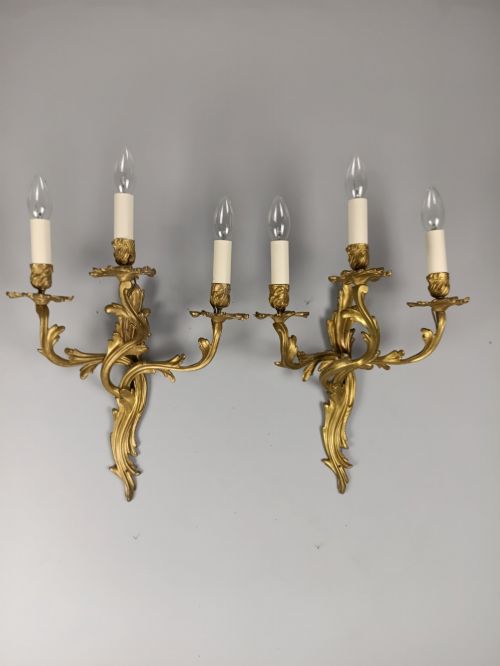
French rococo brass lamps encompass a range of lighting forms spanning the nineteenth and early twentieth centuries, primarily table lamps, wall sconces, and multi-light chandeliers. The selection relies heavily on pieces originating from the nineteenth century up through the nineteen-thirties, reflecting persistent revival movements.
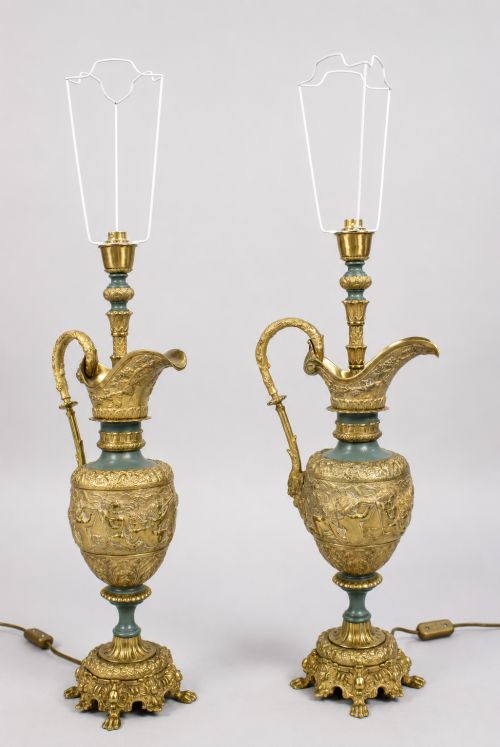
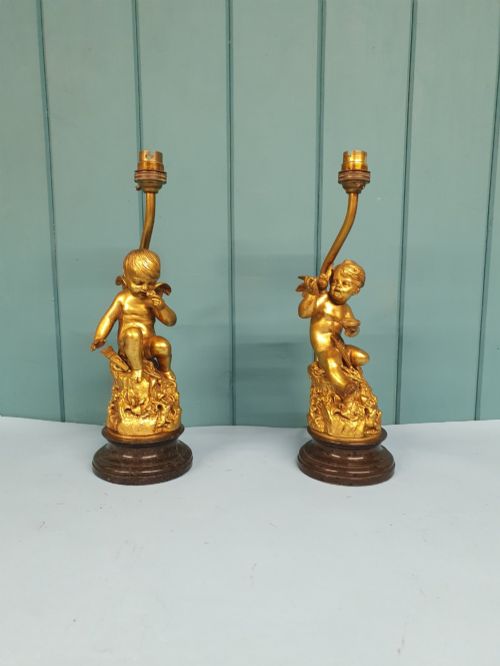
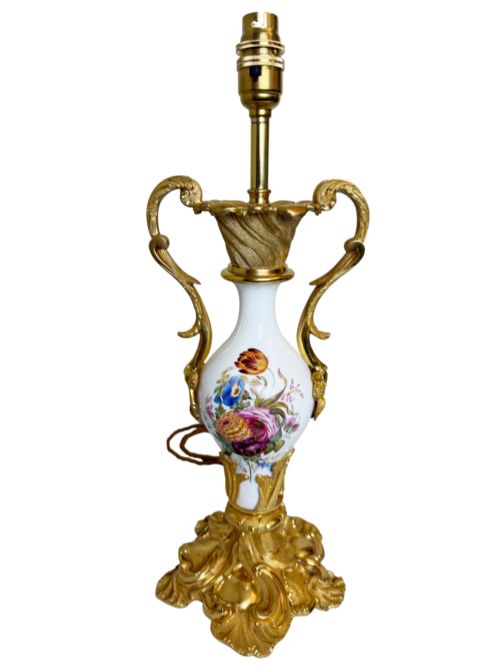
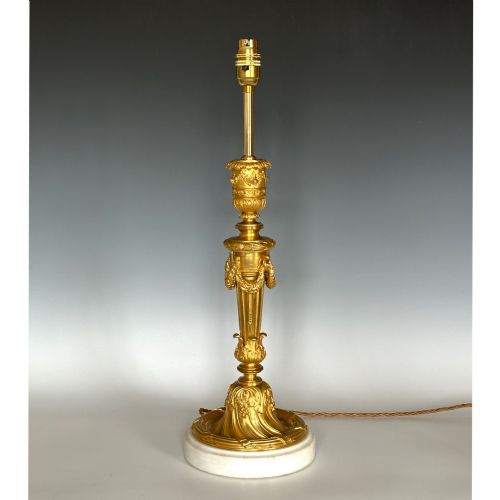
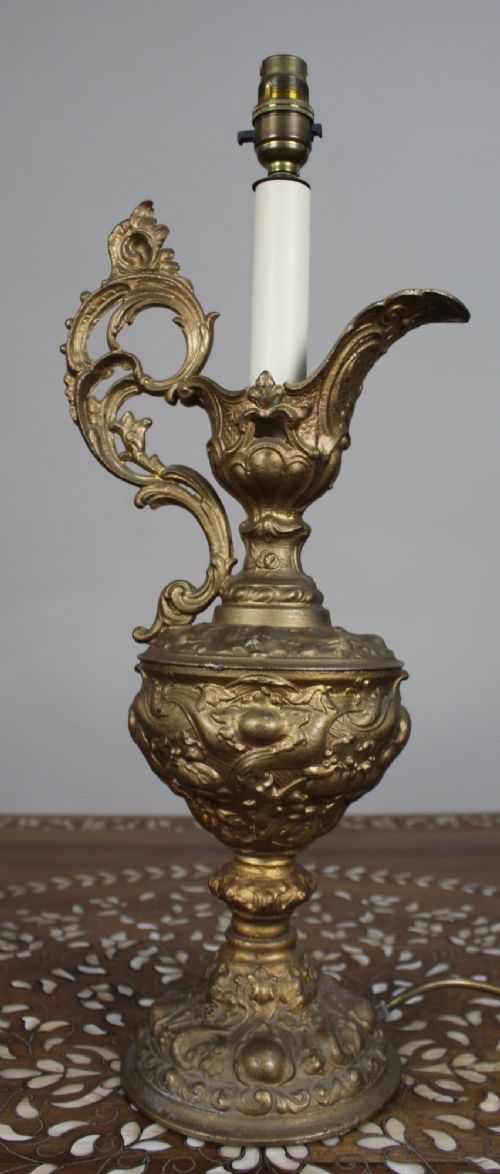
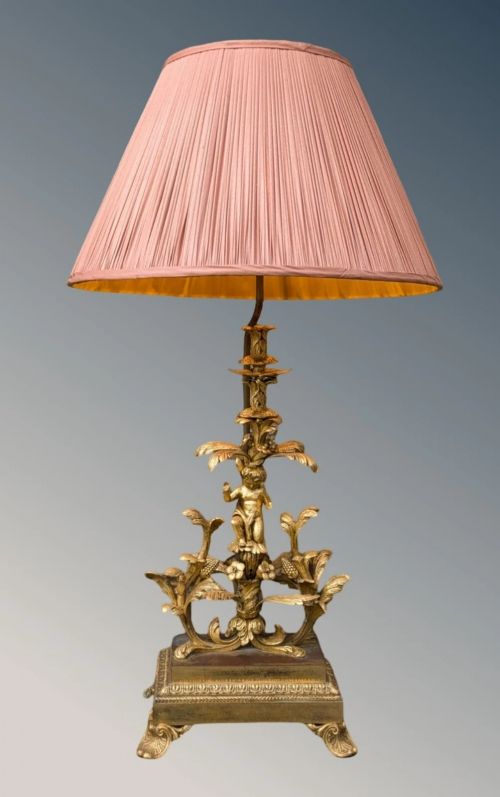
Buyers will encounter table lamps shaped as ewers, candlesticks, or figural cherub supports alongside larger multi-armed chandeliers and wall lights. These items often showcase distinct Louis XV influences through asymmetric scrolling and naturalistic floral motifs.
Materials span plain brass to heavily gilded bronze, ormolu, and crystal-adorned fixtures. Ormolu and gilt metal versions dominate the surviving inventory, frequently paired with cut glass elements.
Indicators of quality
The weight and purity of the metal substrate dictate the longevity and structural stability of the piece. High-grade ormolu displays a deep, warm lustre that ages gracefully without flaking.
Cherubs frequently trade their traditional roles to support heavy electrical cords instead of arrows.
François Linke
The French Rococo Brass Lamps Glossary
- Ormolu
- Gilded bronze produced by applying a mercury-gold amalgam to a bronze base. This technique creates a rich, durable golden surface seen on many nineteenth-century mounts and lamps.
- Ewer
- A large jug with a wide spout traditionally used for water, adapted in these listings as the sculptural body for table lamps. These tall vessels often feature elaborate handles and chased floral motifs.
- Chandelier
- A branched ceiling lighting fixture designed to hold multiple bulbs or candles. Examples here frequently incorporate cut glass crystals and cast brass frames.
- Candelabra
- A branched candlestick holder designed for multiple light sources. Many surviving French examples utilise rococo scrolling arms and gilded metal construction.
French Rococo Brass Lamps: Frequently Asked Questions
How do I date these lamps?
Dating relies on examining the casting techniques, mounting hardware, and prevailing revival styles recorded in the evidence from eighteen-fifty to nineteen-thirty. Stylistic markers often correspond to nineteenth-century manufacturing methods or early twentieth-century reproductions.
Heavier bronze castings and mercury gilding generally point toward earlier nineteenth-century production. Lighter brass construction and twentieth-century wiring methods indicate later periods.
Are these lamps supplied rewired?
Selected wall lights and table lamps feature modern wiring updates while retaining their antique brass and bronze frames. Buyers should inspect individual listings for electrical status.
Rewired fixtures allow immediate installation in contemporary spaces while preserving the original nineteenth or early twentieth-century metalwork.
What is the difference between ormolu and brass?
Ormolu consists of a gold-mercury alloy applied to a bronze base, producing a warm, deep golden finish. Brass is an alloy of copper and zinc with a brighter, yellower metallic appearance.
Both materials were utilised extensively across French rococo revival lighting to achieve decorative ornamentation.
How do I clean gilt metal?
Maintenance requires gentle dusting with a soft, dry cloth to prevent accumulation in the intricate recessed scrolls. Water and abrasive cleaners damage delicate gilded surfaces.
Preserving the original patina ensures the antique character of the brass and bronze remains intact.