

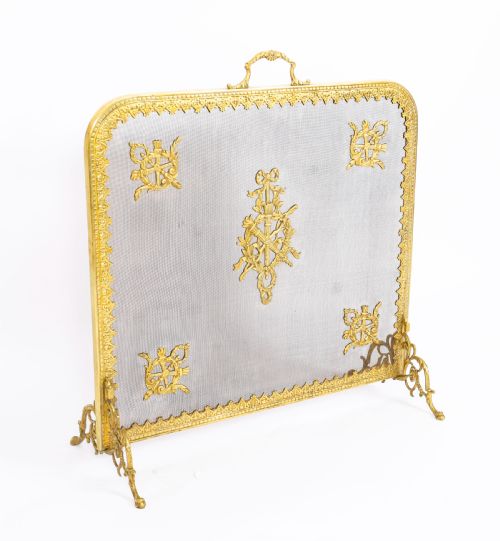
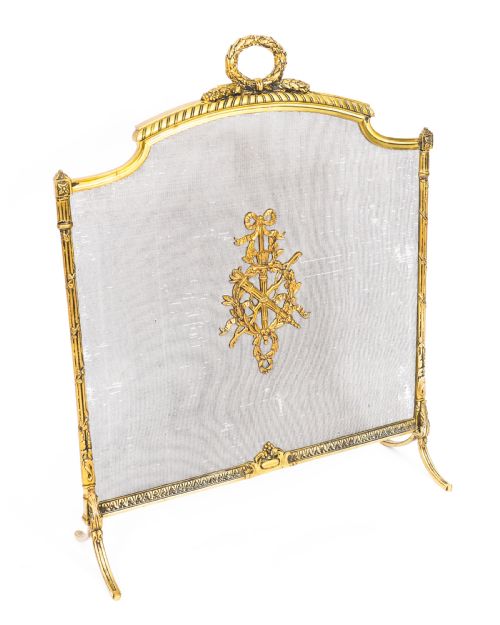


French Revival Screen
A french revival screen brings sculptural metalwork and theatrical period flair to a room, offering both decorative presence and functional use by the hearth.
French Revival Screen
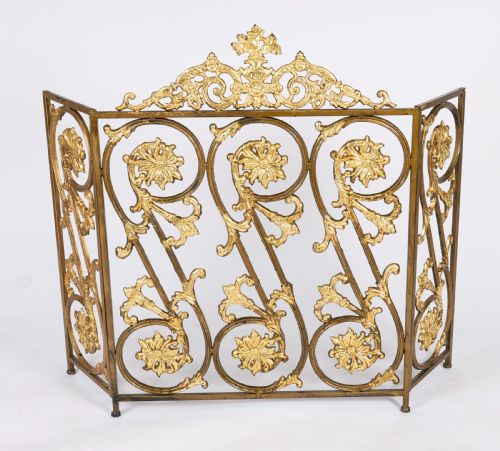
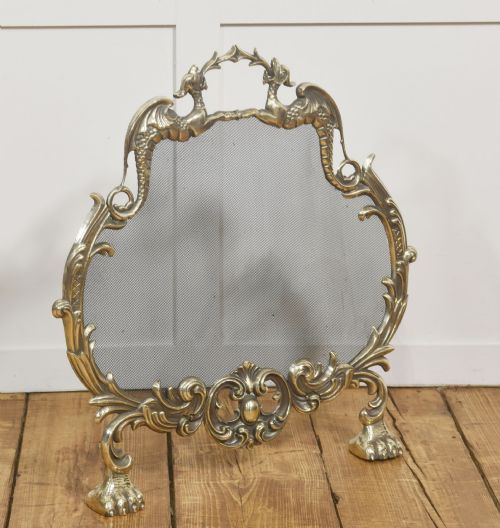
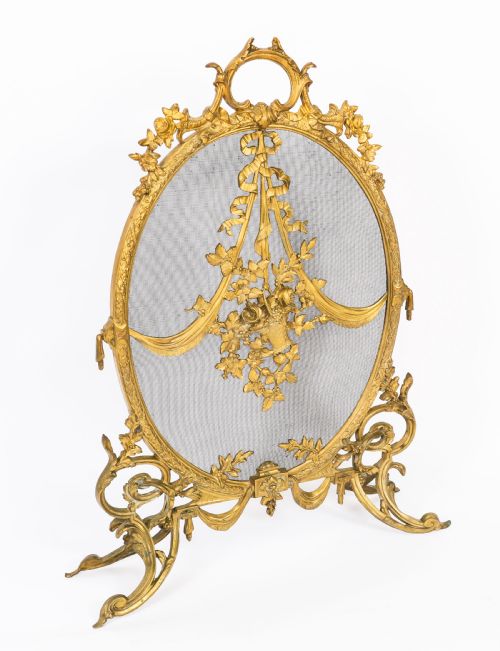
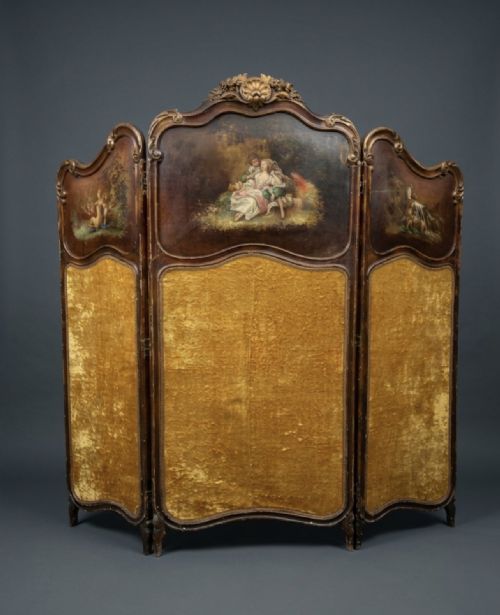
When you search for a french revival screen, you are looking at decorative room dividers and hearth accessories from the nineteenth century that channel earlier continental aesthetics. These pieces typically take the form of fire screens or folding room dividers produced in brass, gilt bronze, and carved wood.
The versions you are most likely to encounter on this page date from the mid to late nineteenth century, spanning various revivals of French court styles. Makers of this era drew heavily upon Louis XIV, Rococo, and Empire motifs to create ornate metallic and painted furnishings for bourgeois and aristocratic interiors.
Most examples function primarily as fire screens designed to shield a room from the harsh glare of an unlit grate or to ornament a fireplace when the fire is out. Others serve as modesty screens or room dividers, incorporating painted panels, wire mesh, and intricate metallic frames.
Materials and construction
These screens rely on cast and chased metals, predominantly brass and gilt bronze, worked into exuberant scrollwork, classical trophies, and flaming torches. Artisans employed wire mesh and steel mesh within the metallic frames to create transparent or semi-opaque panels that could withstand proximity to heat.
French Revival Screen Retail Price Guide 2026
Typical asking prices for french revival screen among the pieces listed under this phrase on Sellingantiques today, from the lower quarter to the upper quarter. They describe what is for sale here now, not the wider market.
Dolphins occasionally swim across the brass framework of nineteenth-century hearth accessories, bringing unexpected marine life to the fireside.
Assessing quality and execution
The distinction between ordinary production and exceptional work lies in the crispness of the casting and the depth of the chased detail on the bronze or brass. Superior pieces exhibit high relief, refined finishing by hand, and harmonious proportions within the Revival vocabulary.
Signed studio work, such as pieces attributed to known cabinetmakers and metalworkers, elevates the standing of a screen considerably. The integration of specialised components like hand-painted oil panels or fine wire mesh further separates standard decorative hardware from high-end interior furnishings.
Paul Sormani
The French Revival Screen Glossary
- Rococo Revival
- A nineteenth-century design movement characterised by asymmetrical scrollwork, C-scrolls, shell motifs, and naturalistic asymmetry inspired by eighteenth-century French taste.
- Gilt Bronze
- Bronze metal that has been coated with a thin layer of gold or gold-coloured alloy to impart a rich, metallic sheen. It is frequently found on Empire and Rococo revival furnishings.
- Fire Screen
- A decorative panel placed in front of a fireplace opening to hide the empty grate during warmer months or to block excess radiant heat. They are often framed in brass or bronze with wire mesh inserts.
- Modesty Screen
- A low folding screen or standing panel historically used to shield a seated person from the heat of a fire or to provide privacy in a room. They often feature decorative painted panels.
French Revival Screen: Frequently Asked Questions
What is a french revival screen?
A french revival screen is a nineteenth-century decorative metal or wooden furnishing created in the style of earlier French monarchies. They function primarily as fire screens or room dividers.
These pieces use materials like brass, gilt bronze, and wire mesh to bring ornate period detail into a domestic interior.
How do you use a fire screen?
A fire screen sits directly in front of the fireplace opening when a fire is not burning. It serves to conceal the dark interior of the grate and adds ornamental interest to the room.
During periods of use, metal mesh variants help manage sparks while maintaining visibility of the hearth.
What are the common styles seen?
The listings predominantly feature Rococo Revival, Louis XIV Revival, and French Empire Revival aesthetics. These styles incorporate distinct motifs such as classical trophies, flaming torches, dolphins, and exuberant scrollwork.
Each style reflects the nineteenth-century fascination with historical continental design periods.
What materials are used?
Construction relies heavily on metals such as brass, gilt bronze, steel mesh, and wire mesh. These are frequently paired with carved wood frames, oil paint panels, and velvet.
The combination of durable metals and decorative panels allows the screens to act as both structural furnishings and fine art objects.