


French Restoration Mantel Clock
These French restoration mantel clock pieces bring architectural brass, ormolu, and marble to a room, offering nineteenth-century timekeeping with sculptural presence.
French Restoration Mantel Clock
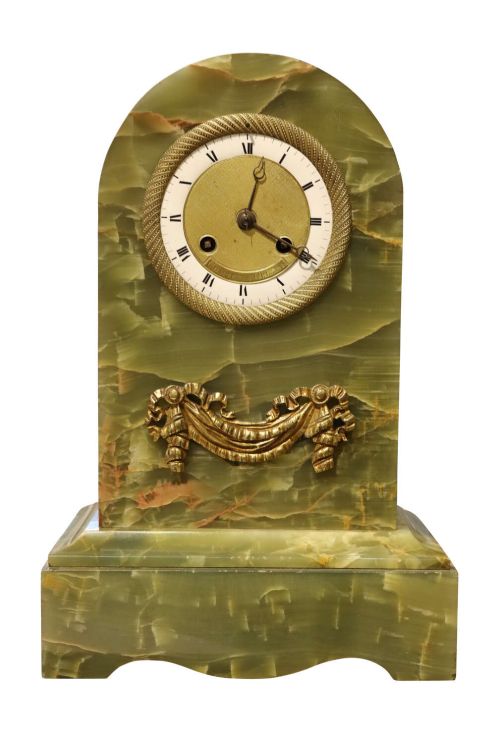
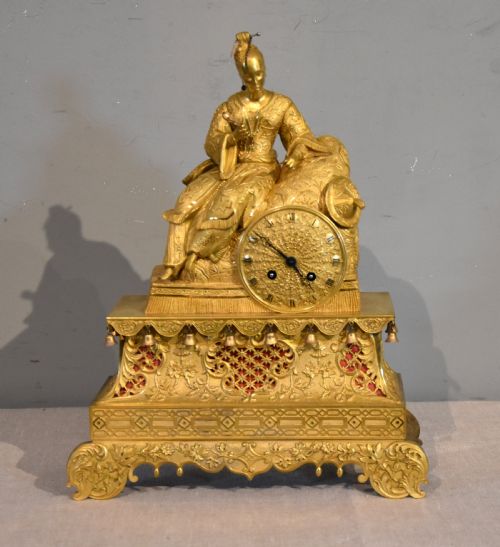
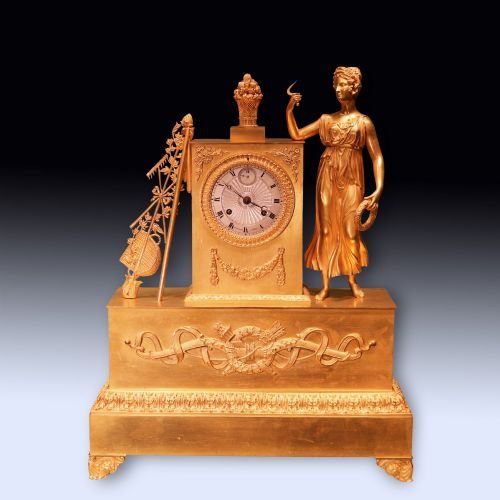
A French restoration mantel clock serves as a substantial timepiece designed for domestic placement during the nineteenth century, typically merging architectural forms with cast metal decoration. These objects appear in portico shapes, figural compositions, and upright marble or onyx cases that reflect the aesthetic shifts of the period.
The selection on this page demonstrates nineteenth-century craftsmanship through materials such as gilt bronze, patinated bronze, and cut crystal. Pieces range from formal portico designs to figural subjects influenced by diverse stylistic tastes including French Empire, Louis Philippe, and Charles X.
Buyers encounter clocks spanning the nineteenth century alongside related nineteenth-century French variants, showcasing how makers adapted classical proportions for domestic interiors. Each mantel clock combines functional clockwork with decorative metalwork and stone cases to anchor a mantelpiece or console.
How they were made
Makers constructed these clocks using cast metals such as ormolu, gilt bronze, and brass, often combining patinated bronze figures with polished bronze mounts. These metallic elements were paired with stone cases carved from marble, green onyx, or rouge marble to create stable, heavy structures.
Portico and architectural models integrate glass and cut crystal components, while dial faces utilise enamel for numerical chapters. Intricate surface decoration involved mercury gilding on bronze alongside fine wood veneers like mahogany, rosewood, and lemon wood on specific chassis.
What varies in quality
Quality rests in the crispness of the bronze casting and the depth of the ormolu gilding, where sharper chisel work distinguishes superior pieces from softer castings. The integration of materials - such as the precise fitting of glass crystals and marble sections - determines the structural coherence of the clock.
The reputation of the maker, evidenced by signatures on movements or dials, elevates a piece alongside the complexity of the case design, such as multi-tiered porticoes or detailed figural sculpture.
Charles à Orléans·Canaillor of Paris·Ravrio·Baltazart·Gillion
The French Restoration Mantel Clock Glossary
- Ormolu
- Gilt bronze created by applying a mixture of gold and mercury to a bronze base, producing a rich golden surface finish that resists tarnish. This technique defines the bright metallic highlights seen across many nineteenth-century French clocks.
- Portico clock
- A clock built within an architectural frame supported by four or more columns, resembling a miniature classical portico. These structures frequently incorporate hanging pendulum movements suspended within the central arch.
- Patinated bronze
- Darkened or chemically treated bronze surfaces that provide tonal contrast against polished ormolu mounts. Makers utilised this contrast to accentuate sculptural figures on the clock case.
- French Charles X
- A decorative style spanning the 1820s characterised by clean architectural lines, light wood veneers, and classical symmetry. Pieces from this period often favor geometric clarity over elaborate ornamentation.
French Restoration Mantel Clock: Frequently Asked Questions
How do I wind an antique French clock?
Winding requires a dedicated key inserted into the dial arbors, turning gently until resistance indicates the mainspring is fully tensioned. Care must be taken not to overwind the movement, as this can strain historical springs.
Most nineteenth-century clocks utilise an eight-day movement requiring weekly attention. Keeping the clock level on the mantel ensures the pendulum beats evenly after winding.
Where should I place a portico clock?
Portico clocks require a stable, level surface such as a mantelpiece, heavy sideboard, or console table where vibrations remain minimal. Because these clocks feature tall columns and hanging pendulums, solid support protects the delicate crystal and marble components.
Positioning the clock away from direct sunlight and damp walls preserves the ormolu gilding and wood veneers. Adequate clearance behind the portico allows the pendulum to swing without obstruction.
How do I identify a Charles X clock?
Charles X clocks display architectural restraint, featuring clean lines, symmetric column arrangements, and visible use of cut crystal or light wood veneers. The decoration relies less on military motifs than earlier Empire pieces, favouring domestic elegance.
Dial faces often feature clear Roman numerals set against white enamel rings framed by gilt bronze bezels. The overall silhouette remains upright and geometric, reflecting 1820s French design preferences.
What maintenance do marble clock cases need?
Marble and onyx cases require only gentle dusting with a soft, dry cloth to prevent surface grime from accumulating in carved crevices. Abrasive cleaners and chemical polishes must be avoided to protect the polished stone surface.
Metal mounts should remain untouched by harsh liquids to preserve the underlying ormolu and bronze patination. Maintaining stable room temperature prevents stress on bonded marble joints.