



French Putti Lights
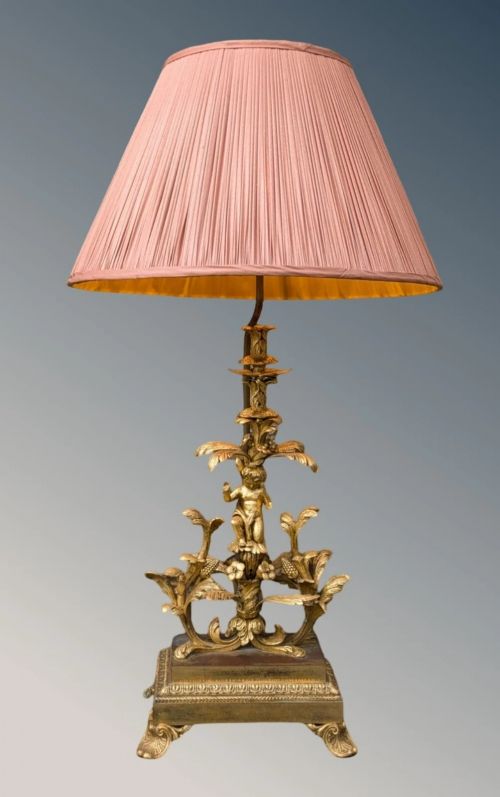
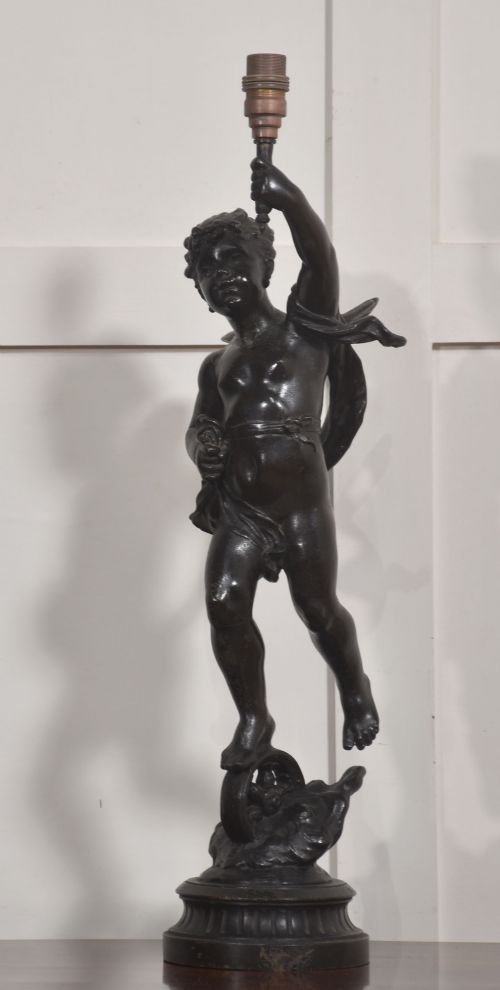
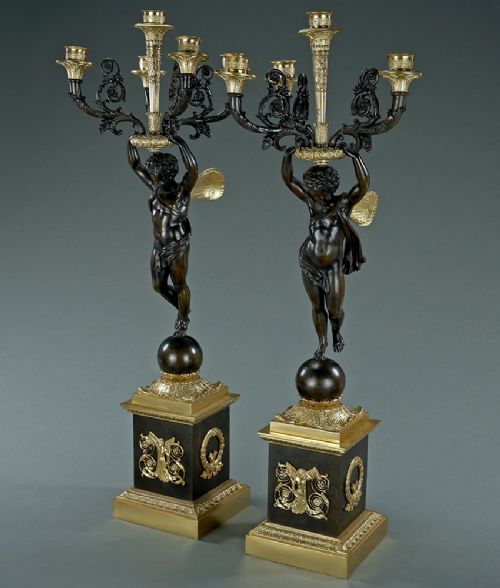
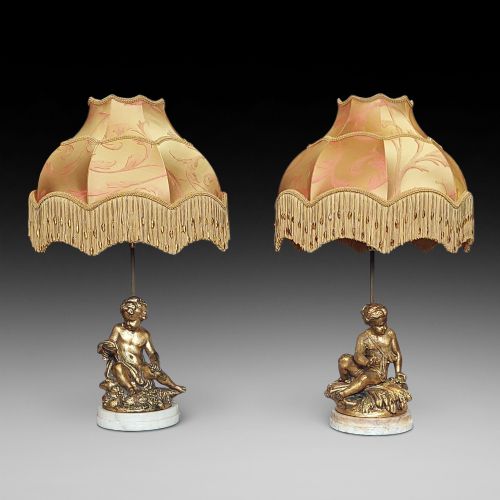
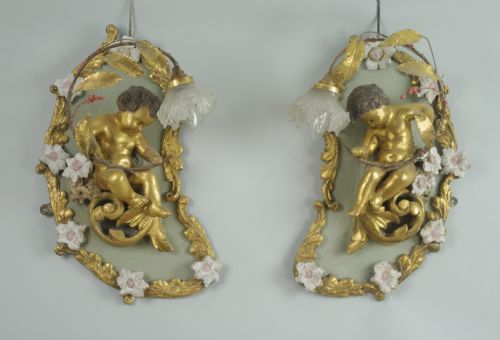
French putti lights bring figurative bronze, brass and ormolu figures together with illumination across multiple decorative styles.
French Putti Lights
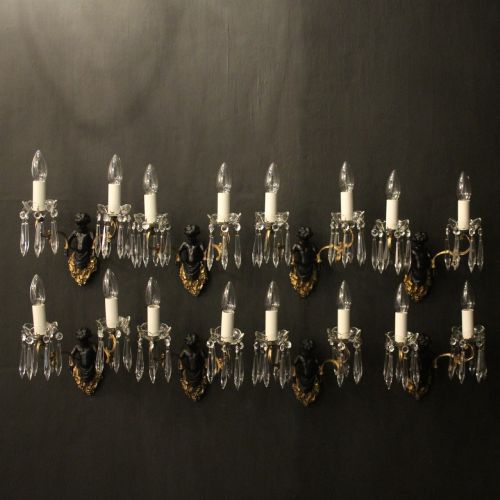
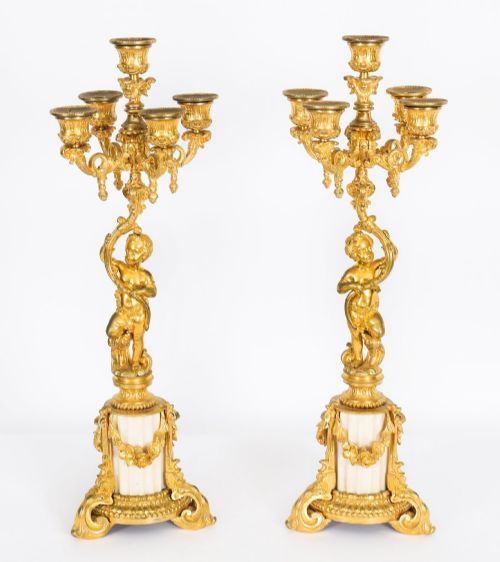
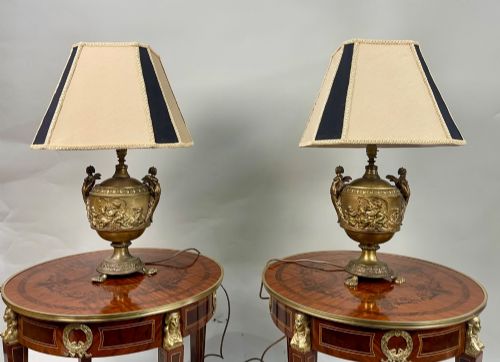
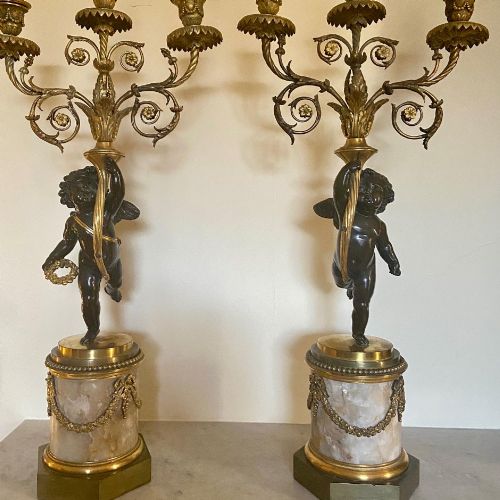
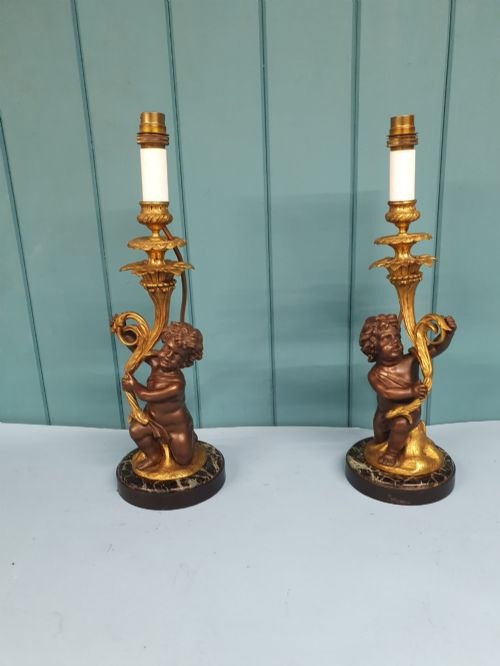
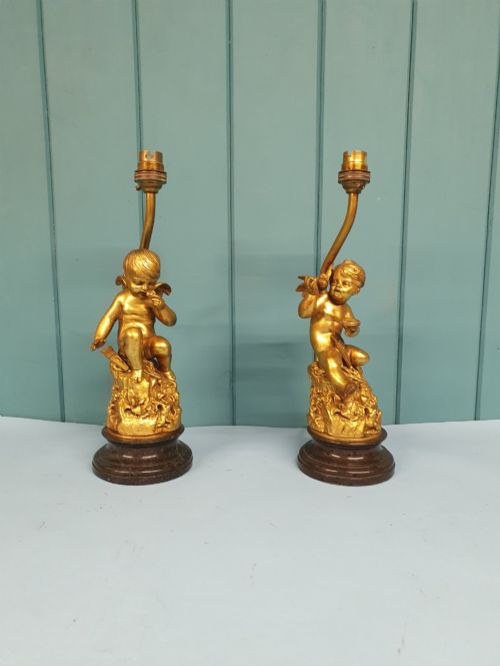
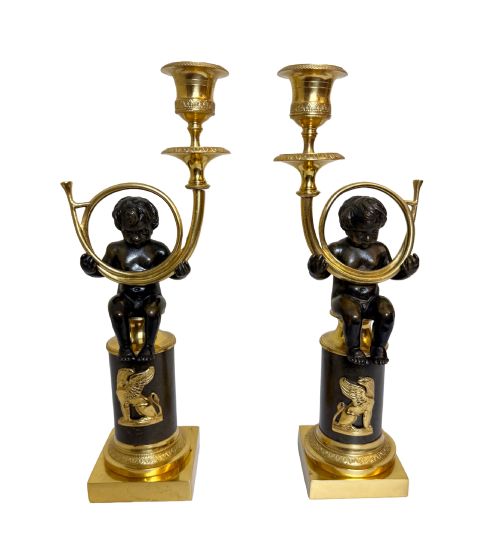
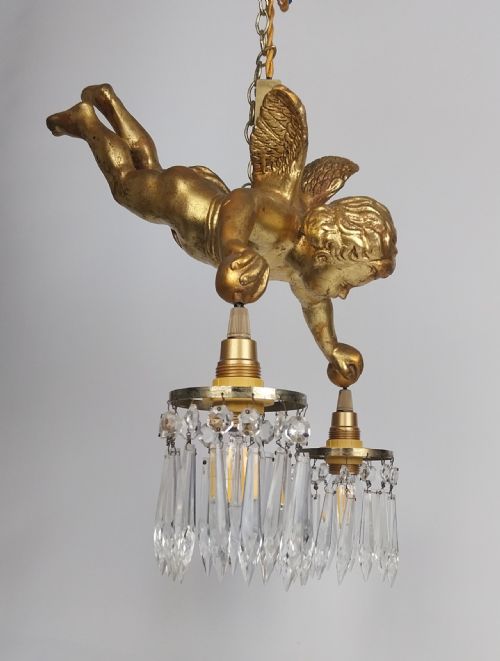
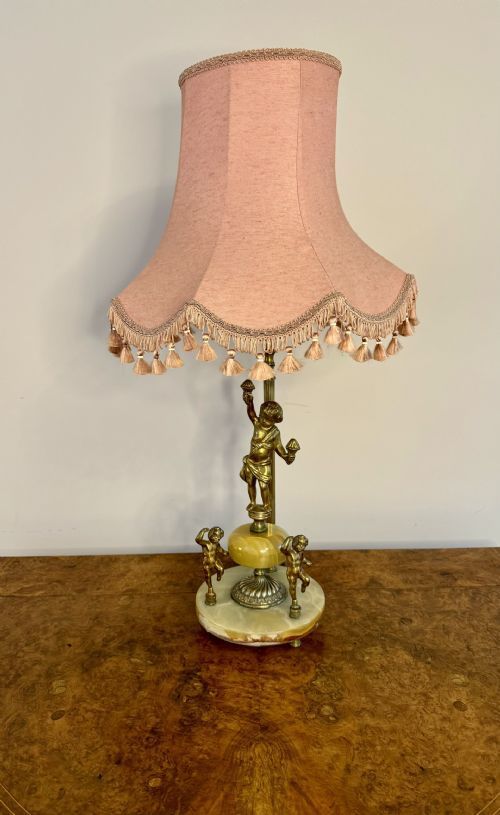
French putti lights encompass a range of lighting forms featuring winged cherubs, cupids and putti figures cast in bronze, brass, ormolu and gilt metal. Buyers searching this phrase meet table lamps, candelabra, wall sconces and chandeliers dating predominantly from the nineteenth and early twentieth centuries. These pieces draw heavily on classical and revivalist decorative vocabularies.
The objects take many shapes, from single candlesticks converted to electricity to monumental candelabra mounted on marble bases. Pairs dominate the listings, offering symmetry for mantelpieces, sideboards and wall installations. Origins span French workshops alongside Italian makers, incorporating materials like alabaster, marble, porcelain and glass alongside metalwork.
How they were made
Foundry work relies on casting bronze, brass and spelter, often finished with fire gilding, ormolu or patination to accentuate the musculature and drapery of the figures. Ormolu involves applying a finely ground mercury and gold amalgam to bronze, then firing it to achieve a durable golden surface. Patinated bronze receives chemical treatments to produce deep brown or greenish surface tones.
Mounting and assembly combine metal figures with turned marble, onyx or alabaster bases, frequently secured with central threaded rods. Many pieces show subsequent adaptations, where nineteenth-century candlesticks or figural statuettes have been converted to house electrical lamp holders and silk or beaded fabric shades.
French Putti Lights Retail Price Guide 2026
Typical asking prices for french putti lights among the pieces listed under this phrase on Sellingantiques today, from the lower quarter to the upper quarter. They describe what is for sale here now, not the wider market.
Dancing cherubs cavort across brass candlesticks, bringing perpetual motion to static nineteenth-century mantelpieces.
What varies in quality
Quality rests upon the crispness of the metal chasing and the depth of the casting detail in the putti faces, hair and wings. Superior examples exhibit hand-chased surface work that refines the cast contours after removal from the mould, whereas simpler pieces retain softer lines and visible seam marks.
The choice of base materials and structural weight also distinguishes the range. Heavy mounts in carved marble, polished onyx or mercury-gilded bronze support finer sculptural proportions, while lighter alternatives utilise pressed brass, gilt metal or plated spelter.
Francois Redmond
The French Putti Lights Glossary
- Putti
- Plural of putto, representing plump, winged male infant figures derived from classical art. They appear frequently in Renaissance and revivalist decorative schemes.
- Ormolu
- Finely chopped gold leaf amalgamated with mercury and applied to bronze before firing. The technique produces a rich golden finish characteristic of decorative metalwork.
- Candelabra
- Branched lighting fixtures designed to hold multiple candles or electric lamp simulations. They often incorporate figural stems and removable drip pans.
- Spelter
- A zinc alloy used as a cost-effective alternative to bronze in nineteenth-century metalwork. It takes patination well but possesses a lower melting point and greater brittleness.
- Toleware
- Lacquered or painted metalware produced in imitation of Asian lacquer techniques. It frequently provides colourful contrasting shades on French lamp bodies.
French Putti Lights: Frequently Asked Questions
What periods do these lights come from?
The pieces span the nineteenth century through the early twentieth century, encompassing Victorian, Edwardian and Art Deco production periods.
Revivalist movements such as Rococo Revival, French Empire and Louis XVI style heavily influence the manufacturing dates.
How do I identify ormolu from gilt brass?
Ormolu involves mercury gilding on cast bronze, displaying a soft, deep golden lustre that resists tarnishing.
Gilt brass or gilt metal appears lighter in weight and often shows brighter, more uniform yellow tones with base metal exposed beneath.
What materials are used for the bases?
Bases frequently utilise white or coloured marble, onyx and alabaster to provide weight and stability for the metal figures.
Some lighter wall lights and chandeliers mount directly to metal backplates or use matching cast metal brackets.