


French Provincial Oak Chest
A french provincial oak chest brings rustic warmth and robust joinery to a room, offering practical storage with distinct regional character.
French Provincial Oak Chest
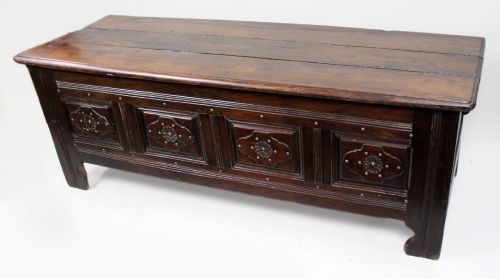
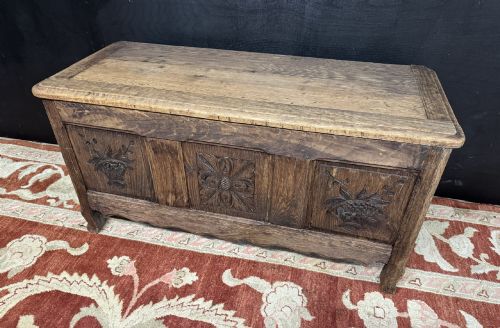
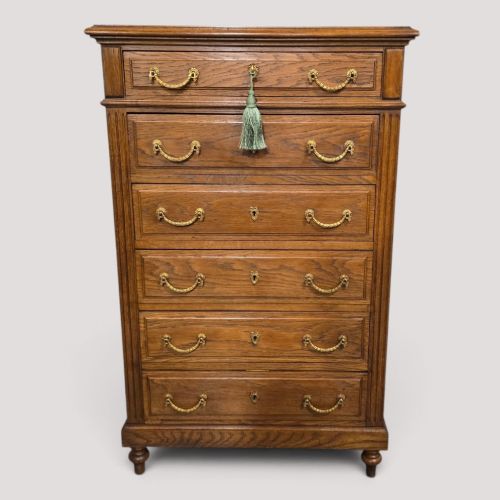
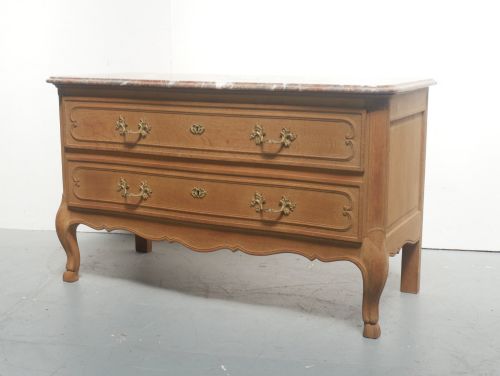
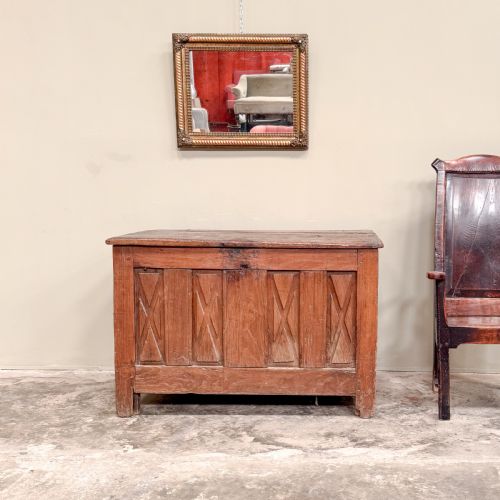
When you search for a french provincial oak chest, you encounter sturdy storage pieces originating from various regions of France, spanning centuries of rural and formal design. These items encompass heavy coffers, multi-drawer commodes, and tall chests shaped by local traditions.
How they were made
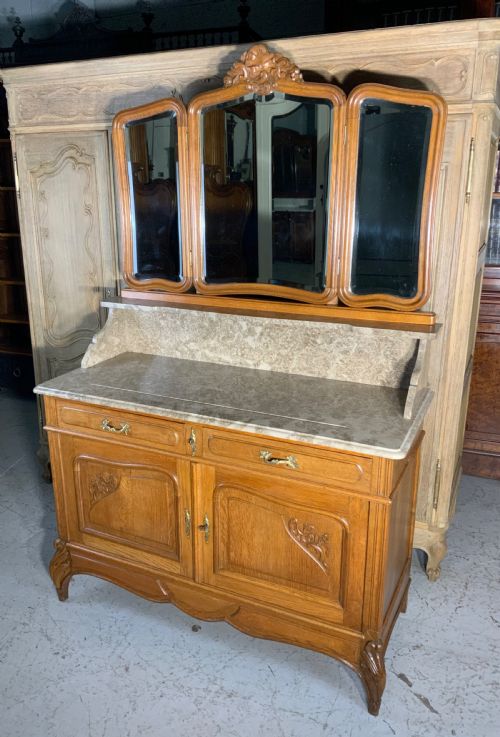
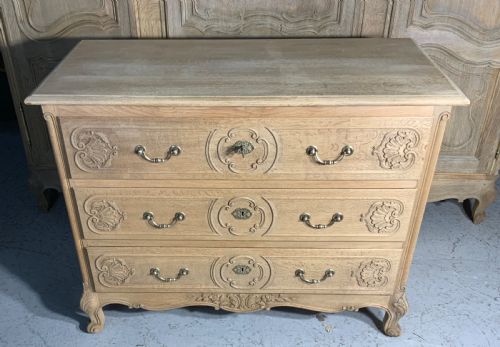
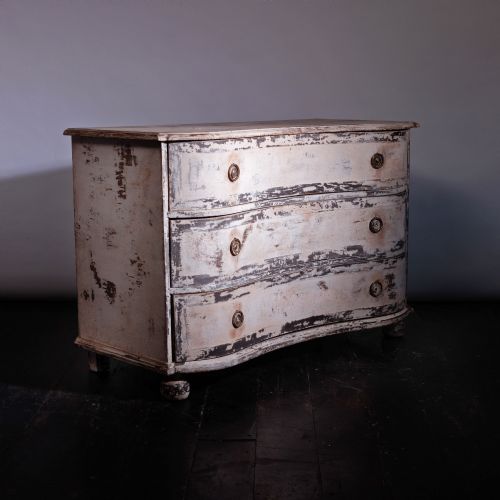
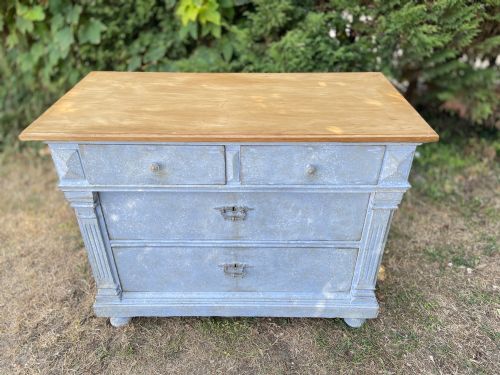
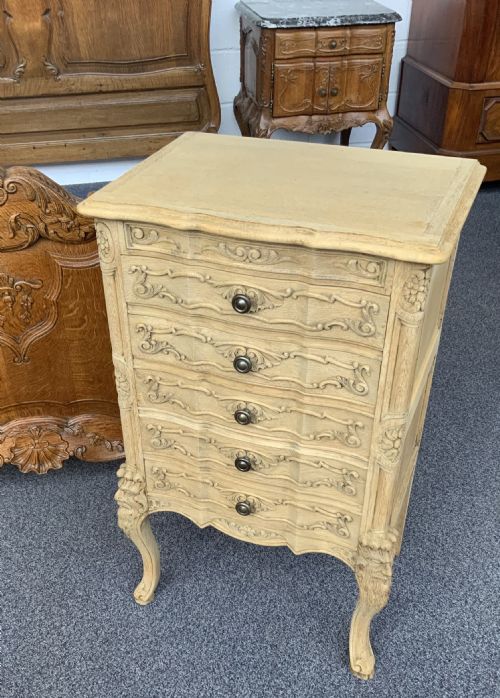
Cabinetmakers relied primarily on solid oak, occasionally incorporating chestnut, constructed with traditional panel and frame techniques to accommodate natural wood movement. Surfaces frequently display intricate hand-carving, while finishes vary from limed, bleached, and scrubbed treatments to historic paint.
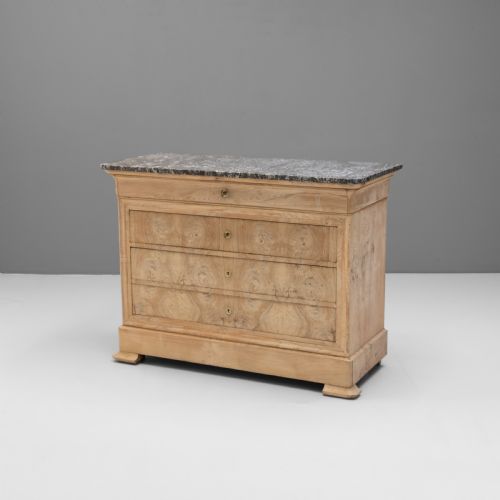
Hardware typically includes brass and iron fittings, such as handles and escutcheons, which secure the doors and drawers. Selected examples integrate contrasting materials like marble tops or glass panels into the primary timber structure.
French Provincial Oak Chest Retail Price Guide 2026
Typical asking prices for french provincial oak chest among the pieces listed under this phrase on Sellingantiques today, from the lower quarter to the upper quarter. They describe what is for sale here now, not the wider market.
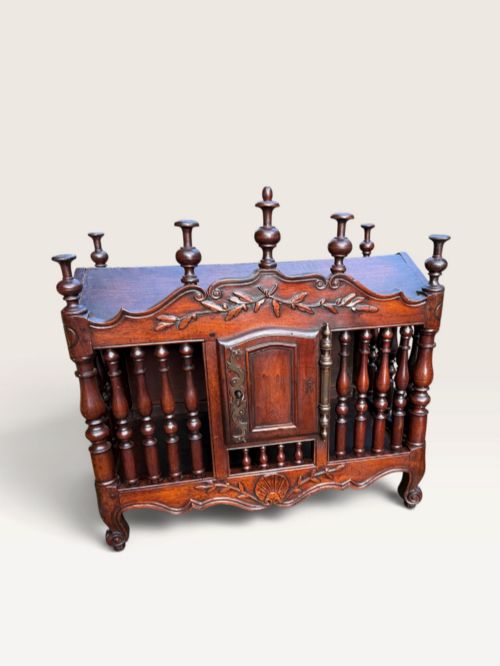
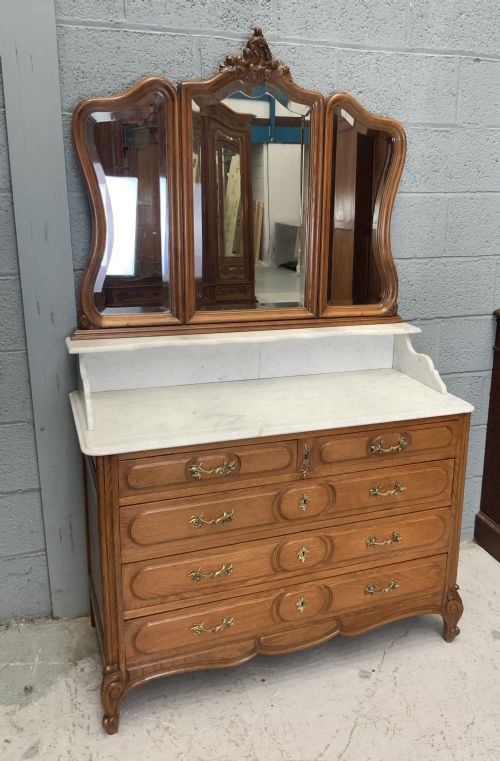
Object forms recorded here range from standard chests of drawers and coffers to washstands, bedside tables, panetières, and vitrines.
What varies in quality
The standard of a piece depends heavily on the crispness of the hand-carving and the integrity of the original timber construction. Superior examples maintain balanced proportions and retain their period hardware alongside authentic patination.
Subtleties in regional joinery and the harmonious integration of secondary woods distinguish finer workshop production from simpler utilitarian items. The depth of the surface finish, whether scrubbed, bleached, or painted, influences the visual weight of the piece.
The French Provincial Oak Chest Glossary
- Coffer
- A heavy storage box with a hinged lid used primarily for domestic belongings before fitted wardrobes became common. These sturdy oak trunks often feature hand-carved panels.
- Commode
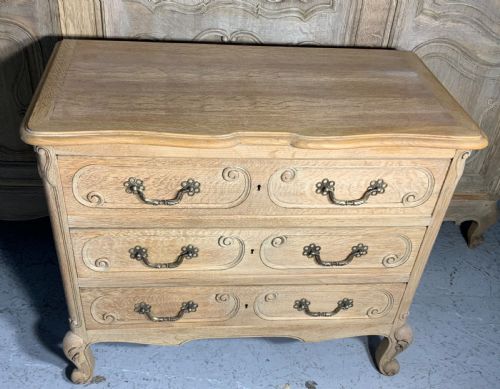
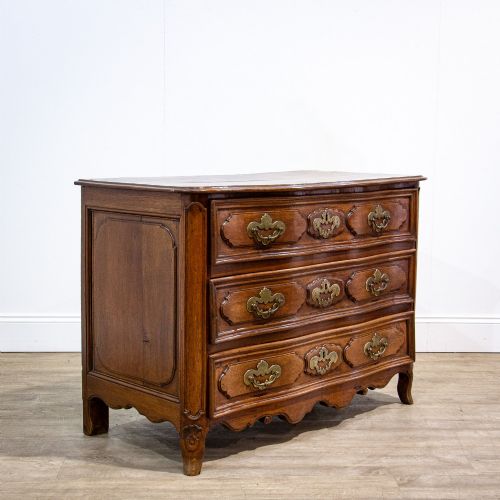
- A low chest of drawers originating in France, typically possessing a more decorative presence than a standard utility chest. Eighteenth-century versions often display serpentine or bombe profiles.
- Bombe
- A swelling, convex curved shape found on the front and sides of certain commodes. This undulating contour demands advanced cabinetmaking skill.
- Serpentine
- A curved line that curves inward centrally and outward at the ends, frequently seen on drawer fronts and commode tops. This silhouette adds visual movement to dense oak timber.
- Scrubbed oak
- Timber that has been thoroughly cleaned to reveal the pale, raw grain without modern varnishes. This finish highlights the natural texture of provincial furniture.
French Provincial Oak Chest: Frequently Asked Questions
How do I date a french provincial oak chest?
Dating relies on examining the construction methods, tool marks, and hardware integration visible on the piece. Eighteenth-century examples often display hand-cut joinery and pegged frames, whereas later nineteenth and twentieth-century pieces incorporate different fastener types and standardised components.
Style indicators also help establish a timeline, as movements like Louis XV, Louis XVI, and regional folk art introduced distinct carving motifs and silhouette curves during specific decades.
What is the difference between a coffer and a commode?
A coffer is a traditional storage chest accessed via a top-opening lid, primarily designed for holding textiles and household goods. A commode functions as a chest of drawers with lateral pull-out compartments, intended for more accessible storage.
While both utilise solid oak and regional carving techniques, the commode represents a later development focused on partitioned organisation within domestic interiors.
How do I care for a bleached oak surface?
Maintenance requires dusting with a soft, dry cloth and avoiding silicone-based polishes that can penetrate the open grain of bleached or scrubbed timber. Spills should be blotted immediately to prevent staining on untreated or lightly sealed wood.
Keeping the piece away from direct heat sources and severe humidity fluctuations prevents the oak panels from splitting or warping over time.
Why do some chests have marble tops?
Marble tops were added to provide a durable, heat-resistant, and washable surface for functional use in rooms such as bedrooms and washstands. This combination paired the warmth of provincial oak cabinetry with the refined utility of stone.
Such additions frequently indicate a shift toward more hygienic or decorative interior standards during the nineteenth and early twentieth centuries.