
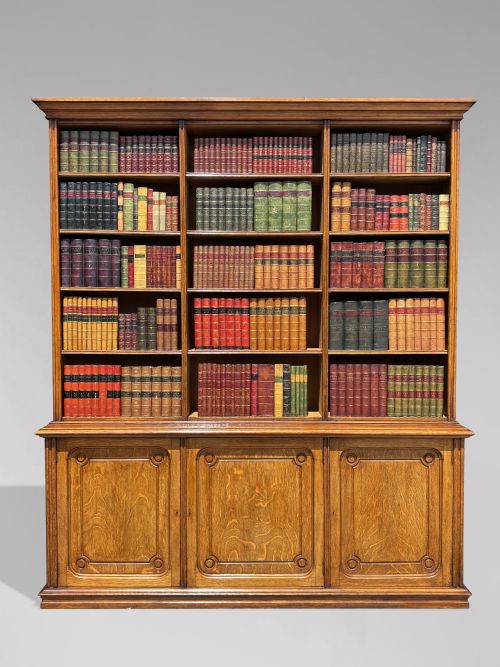


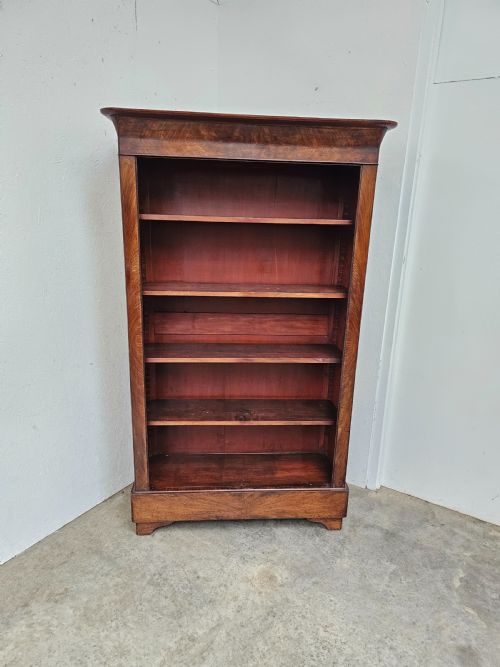


French Provincial Display Unit
A French provincial display unit brings rustic elegance to a room, offering practical storage through open shelves, bookcases, and cupboards.
French Provincial Display Unit
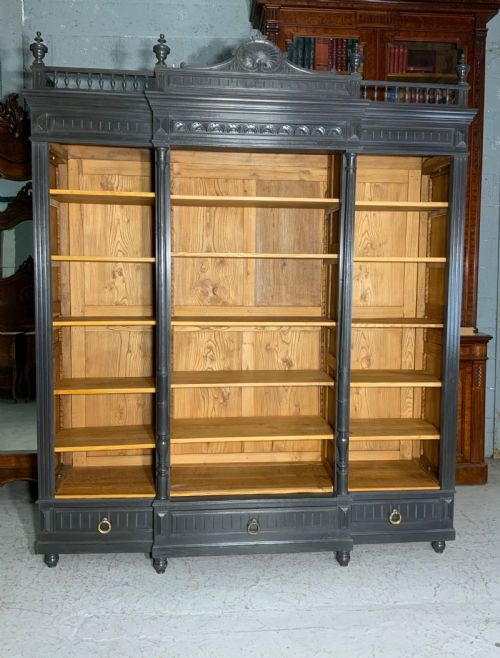
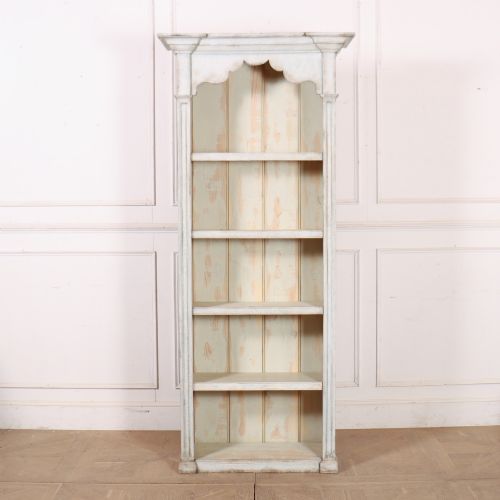
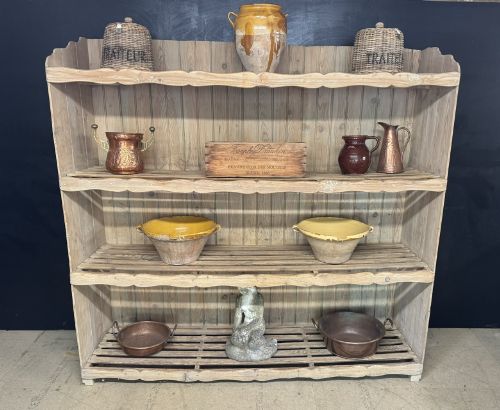
A french provincial display unit encompasses a variety of storage and display furniture originating from regional France, including bookcases, etageres, wall shelves, and cupboards. These pieces combine utility with traditional craftsmanship to create functional centrepieces for the home.
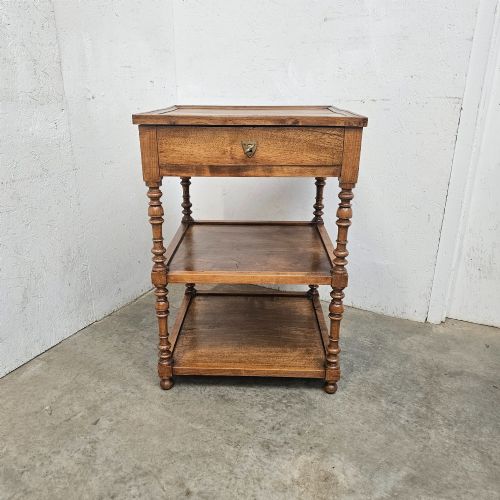
Buyers will most frequently encounter nineteenth century examples on this page, alongside earlier eighteenth century designs. Common forms range from tall open oak bookcases to painted wooden cabinets and turned-leg etageres.
Stylistically, these items align closely with French country and French chateau aesthetics. They suit interiors seeking a relaxed yet historic storage solution for books, ceramics, and ornaments.
Materials and construction
These items rely on traditional timbers such as oak, walnut, and pine, often shaped by hand carving or finished with paint and bleached treatments. Brass and iron hardware provides structural support and functional detailing.
Construction techniques include hand-carved decorative elements, turned wooden legs, and glazed or open shelving configurations. Master makers selected robust regional woods to ensure durability across centuries of domestic use.
The selection includes items spanning the eighteenth century through to the early twentieth century, focusing on bookcases and shelving.
Judging quality and character
Quality in these pieces is dictated by the depth of hand-carved detailing and the selection of primary timbers like solid walnut or dense oak. Superior examples exhibit harmonious proportions and skilled joinery that withstands heavy daily use.
Surface treatments also define character, ranging from original paint and bleached finishes to patinated natural wood. The integrity of the glass panels and the originality of brass or iron fittings further distinguish finer specimens.
The French Provincial Display Unit Glossary
- Etagere
- An open piece of furniture with shelves for displaying small objects or books. Turned legs often add decorative detail to these practical display items.
- Armoire
- A tall wardrobe or cupboard traditionally used for storing clothing. Single-door variants offer vertical storage solutions for compact spaces.
- Bleached oak
- Timber treated to lighten its natural tone while retaining the prominent grain pattern. This finish is frequently observed on eighteenth century provincial pieces.
- Bakers rack
- A metal or wooden shelving unit originally utilised for cooling baked goods. These industrial items now function as versatile display units in domestic interiors.
French Provincial Display Unit: Frequently Asked Questions
What is a french provincial display unit?
A french provincial display unit is a regional storage piece designed to hold books, ceramics, or decorative objects. These items typically take the form of bookcases, open shelving, or glass-fronted cabinets.
Originating in France, they reflect traditional rural craftsmanship using woods like oak and walnut. Their design prioritises both domestic utility and rustic aesthetic appeal.
How do I use a bookcase in my home?
A bookcase serves primarily for storing and exhibiting book collections, family archives, or curated decorative items. Tall open versions allow for easy access and create a sense of height in living spaces.
Consider placing an oak or painted bookcase in a study, hallway, or sitting room. Ensure the piece has sufficient clearance and stable placement on level flooring.
How can I tell an eighteenth century piece apart from a nineteenth century one?
Distinguishing between centuries involves examining the timber preparation, joinery methods, and tool marks visible on the structure. Eighteenth century items frequently feature hand-adzed surfaces and specific regional construction traits.
Nineteenth century pieces often incorporate standardised machine-sawn elements alongside traditional hand carving. Comparing the patination of the wood and the wear patterns helps clarify the age of the cabinet.
What maintenance do these wooden units need?
Maintaining antique wooden furniture involves keeping pieces away from direct heat sources and excessive moisture. Routine dusting with a dry cloth protects the wax or polished finish without harming the wood.
Avoid applying modern silicone polishes, which can build up and damage antique surfaces over time. Occasional application of a suitable beeswax preserves the natural lustre of walnut and oak.