



French Provincial Bread Cupboard
A french provincial bread cupboard brings authentic rural French charm to any kitchen with its distinctive ventilated design and rich period timber.
French Provincial Bread Cupboard
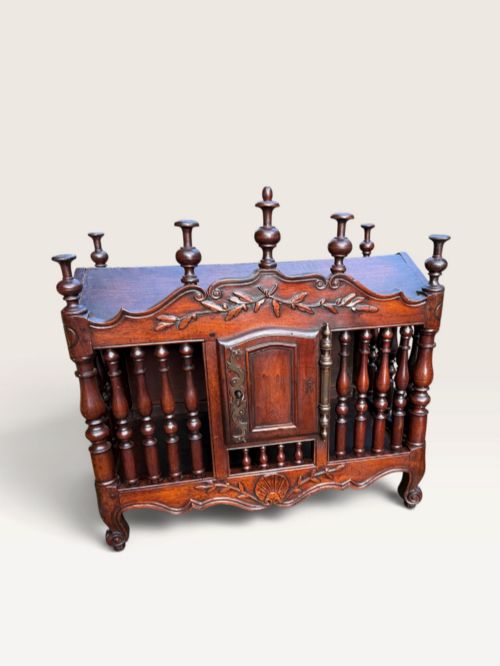
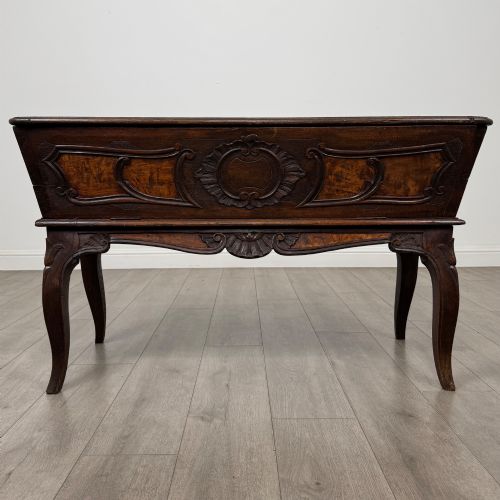
When searching for a french provincial bread cupboard, buyers encounter specialised storage pieces designed to protect bread from pests while allowing air circulation. These items typically manifest as wall cabinets, food safes, and dough bins originating from rural regions.
The selections span the eighteenth and nineteenth centuries, including the Victorian era and the year 1800. Pieces take the form of panetieres, bread cages, bread stores, and food cupboards reflecting French country and French chateau styles.
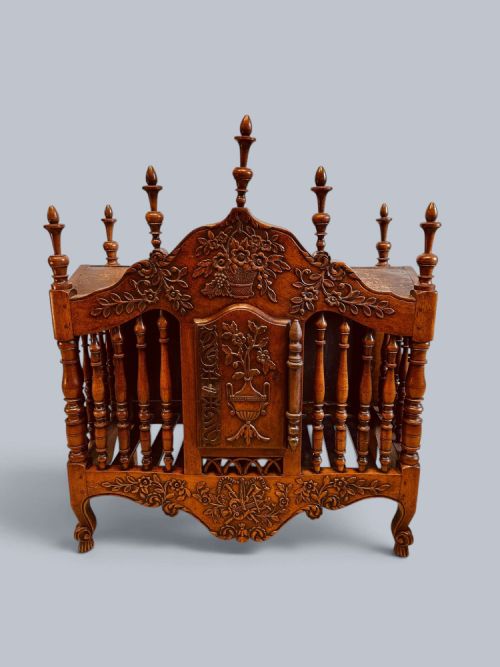
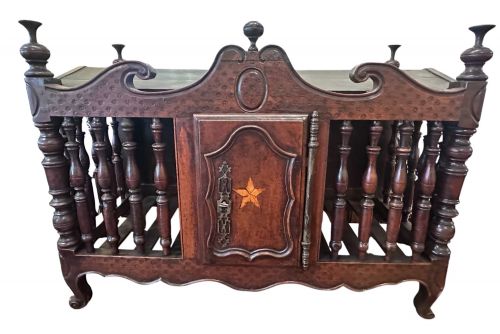
Walnut, fruitwood, chestnut, and oak dominate the construction of these storage forms, often paired with iron and brass hardware or fabric elements. Buyers are most likely to meet eighteenth-century walnut panetieres featuring carved details and turned finials.
How they were made
Cabinetmakers utilised solid regional timbers such as walnut, oak, chestnut, and fruitwood to build sturdy frames for daily domestic use. Panels and doors incorporate traditional joinery suited to supporting heavy provisions.
Ventilation was achieved through turned spindle galleries or pierced screens that kept bread fresh while securing it. Metal components in iron and brass provided hinges, latches, and structural reinforcement.
French Provincial Bread Cupboard Retail Price Guide 2026
Typical asking prices for french provincial bread cupboard among the pieces listed under this phrase on Sellingantiques today, from the lower quarter to the upper quarter. They describe what is for sale here now, not the wider market.
Some panetieres feature delicate turned finials that look remarkably like tiny wooden chess pieces guarding the bread.
What varies in quality
The degree of hand-carving distinguishes simpler utilitarian boxes from finer parlour examples. Serpentine fronts and elaborate turned finials indicate greater time spent by the maker.
Timber selection and the preservation of original patination dictate the visual weight of each cabinet. Pieces retaining their early ironwork and sound structural joints command stronger regional character.
The French Provincial Bread Cupboard Glossary
- Panetiere
- A traditional French wall-mounted bread cupboard featuring spindled sides for ventilation. These cabinets often hung in kitchens to keep loaves away from household pests.
- Dough bin
- A low storage container utilised for kneading and rising bread dough before baking. Many examples incorporate a cupboard section beneath the main trough.
- Serpentine
- A gently curved front line that undulates outward and inward. This shaping demands skilled woodworking to achieve fluid movement across cabinet doors.
- Fruitwood
- Dense timber harvested from fruit-bearing trees such as cherry or pear. It offers a smooth grain and warm tone prized by country cabinetmakers.
- Finial
- A decorative terminal ornament placed on the corners or top of a cabinet. Turned wooden finials add height and architectural finish to provincial case pieces.
French Provincial Bread Cupboard: Frequently Asked Questions
How were bread cupboards used?
These cabinets served as the primary storage vessels for daily bread in rural French households. Because bread was baked in large batches to last several weeks, proper ventilation was essential to prevent moulding.
They were positioned within easy reach of the kitchen work area for daily access by the family.
How do I date a bread cupboard?
Dating relies upon examining construction methods, timber choice, and stylistic details such as carved motifs and hardware. Eighteenth-century pieces often display hand-carved walnut and pegged joinery.
Nineteenth-century examples tend to show standardised machine milling alongside traditional hand-finishing techniques.
How do I clean walnut furniture?
Walnut surfaces benefit from gentle dusting with a soft, dry cloth to remove grit without scratching the aged timber. Avoid harsh chemical cleaners that strip natural oils.
Application of traditional beeswax helps nourish the wood and maintain a soft, protective sheen over time.