



French Pottery Figure
These french pottery figure selections span rustic animalier sculptures and glazed earthenware pairs, bringing distinct continental character to any interior.
French Pottery Figure
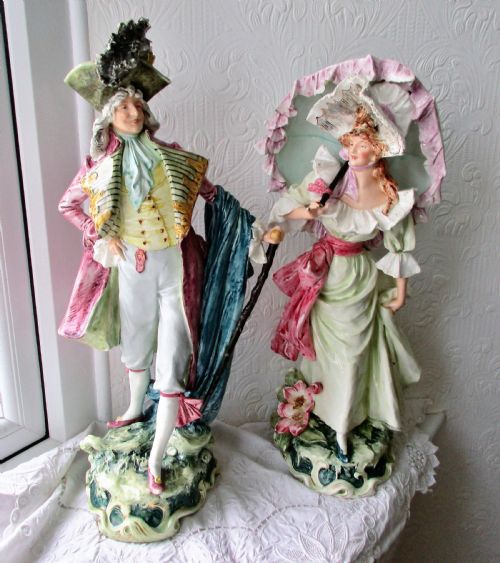
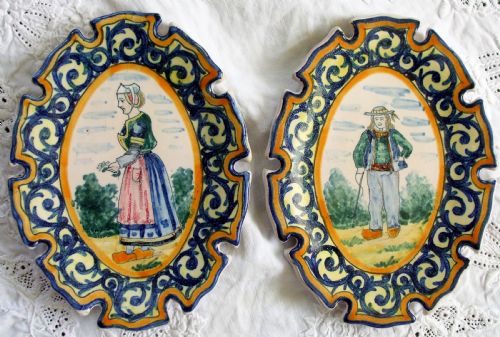
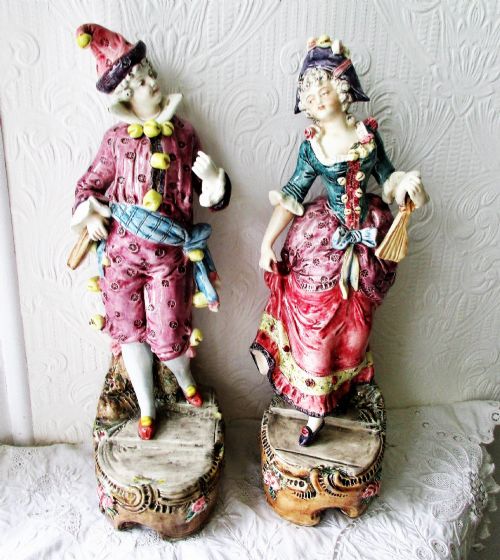
A french pottery figure encompasses glazed earthenware animals, faience human subjects, and sculptural ceramics originating from regional workshops across France. When exploring this group, buyers frequently encounter provincial cat representations, figurative pairs depicting historical or gallant personages, and architectural roof tile ornaments.
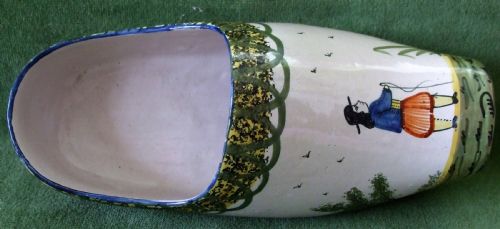
The aesthetic diversity ranges from ornate nineteenth century rococo revival and traditional quimper styles through to bold modernist and art deco forms. Examples often incorporate functional elements such as pin trays or wall pockets alongside purely decorative sculptures.
Origins stretch from the pottery centres of normandy to quimper, reflecting varied local traditions in shaping clay. Pieces span multiple decades, connecting nineteenth century folk art expressions with early twentieth century animalier works.
Materials and Techniques
Creation relies principally upon earthenware, terracotta, and faience bodies shaped by hand modelling or pressing into moulds. Makers then applied lead glazes, opaque tin glazes, or painted surface decorations before firing.
Specialised glazing techniques defined regional workshops, yielding the distinctive tin glazed surfaces seen on traditional faience pieces. Artisans sometimes integrated contrasting materials such as glass eyes to add expression to animal sculptures.
French Pottery Figure Retail Price Guide 2026
Typical asking prices for french pottery figure among the pieces listed under this phrase on Sellingantiques today, from the lower quarter to the upper quarter. They describe what is for sale here now, not the wider market.
Listings feature earthenware, faience, and terracotta materials spanning the nineteenth century through the 1940s.
Assessing Quality and Execution
Quality rests upon the crispness of the modelling and the control demonstrated during the hand painting and glazing stages. Finer examples display confident brushwork on faience surfaces and precise anatomical definition in animalier sculptures.
The depth of the glaze and the preservation of painted details significantly influence the visual impact of each piece. Superior execution is also evident in the harmonious balance of form and decorative palette across pairs and sculptural groups.
Berthe Savigny·HB Quimper·HR Quimper·Joseph Constant·Bavent
The French Pottery Figure Glossary
- Faience
- Tin glazed earthenware traditionally produced in France and characterised by painted decorative motifs on a white or cream ground.
- Earthenware
- Porous pottery fired at lower temperatures, requiring a glaze to render it waterproof and serving as the primary body for most figures here.
- Animalier
- Artworks that realistically depict animals, a genre represented by terracotta and ceramic sculptures of cats, bulls, and pigs.
- Lead glaze
- A glossy coating applied to pottery before a final firing to seal the porous clay body and impart a smooth finish.
- Pin tray
- A small shallow dish designed for holding pins, occasionally adapted into decorative ceramic forms with figural elements.
French Pottery Figure: Frequently Asked Questions
How do I date a ceramic cat?
Dating relies on examining the specific glazing materials, the modelling style, and any workshop marks or painted signatures present on the base. Art deco examples often feature stylised forms and glass eyes, whereas earlier folk art pieces show simpler hand modelling.
Comparing the manufacturing technique against known regional periods helps narrow the production era.
Where were these ceramics made?
Production centres include Normandy for terracotta roof tile ornaments and Quimper for traditional tin glazed faience. Other pieces emerge from regional French pottery studios working in earthenware and ceramic.
Each area developed distinct glazing methods and decorative motifs that identify the origin of individual works.
How should I display them?
These figures suit placement on mantelpieces, bookshelves, or dedicated display cabinets where their glaze and form can be appreciated. Pairs benefit from balanced placement together, while sculptural animals serve as striking standalone accents.
Keeping them away from direct heat sources helps preserve the stability of the older ceramic bodies and glazes.