






French Portrait Bronzes
These French portrait bronzes capture historical figures, literary characters, and elegant subjects in enduring metal.
French Portrait Bronzes
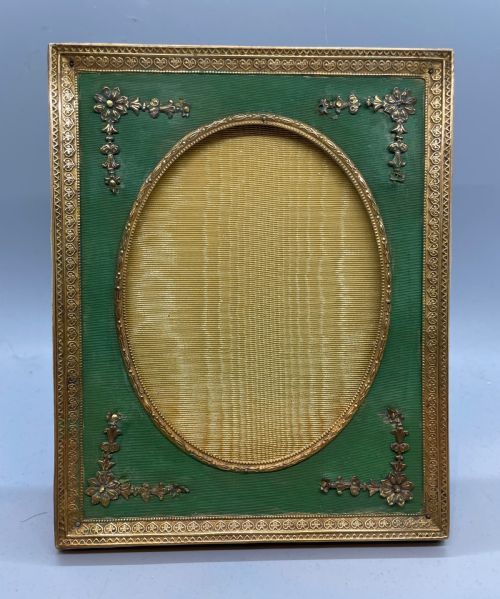
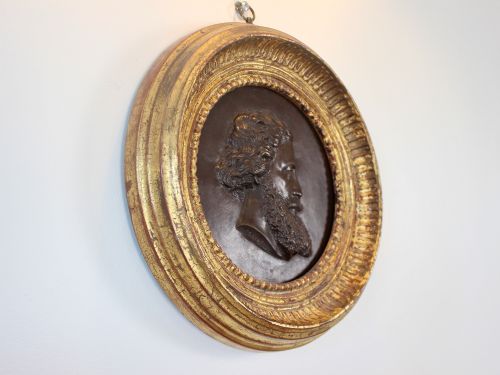
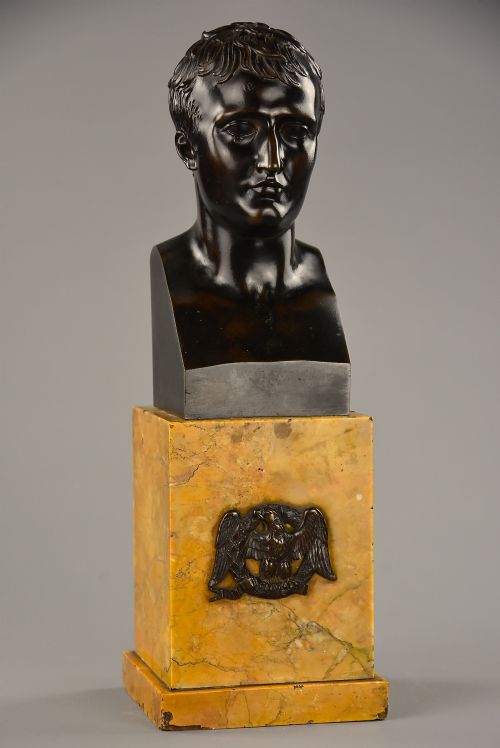
French portrait bronzes include freestanding portrait busts, wall plaques, picture frames, and mantel clocks incorporating likenesses.
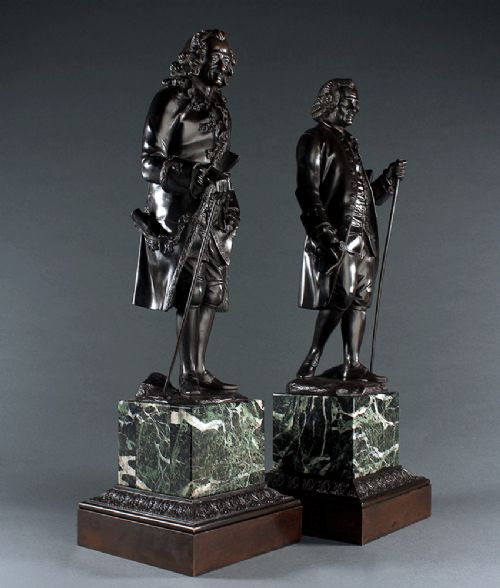
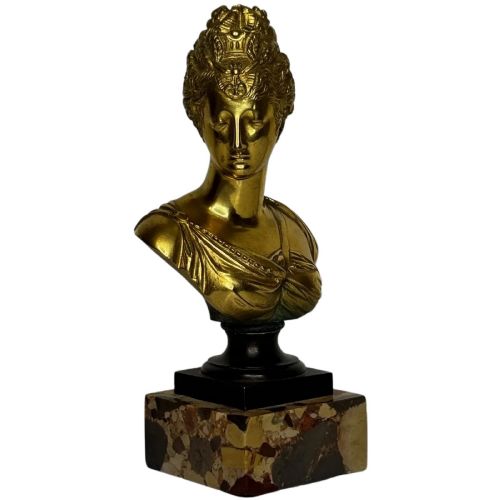
Subjects range from historical figures like Voltaire and Rousseau to classical figures and Art Nouveau female busts.
Most pieces seen here originate from the nineteenth century, spanning periods from the Restauration through the Art Nouveau era.
Materials and technique
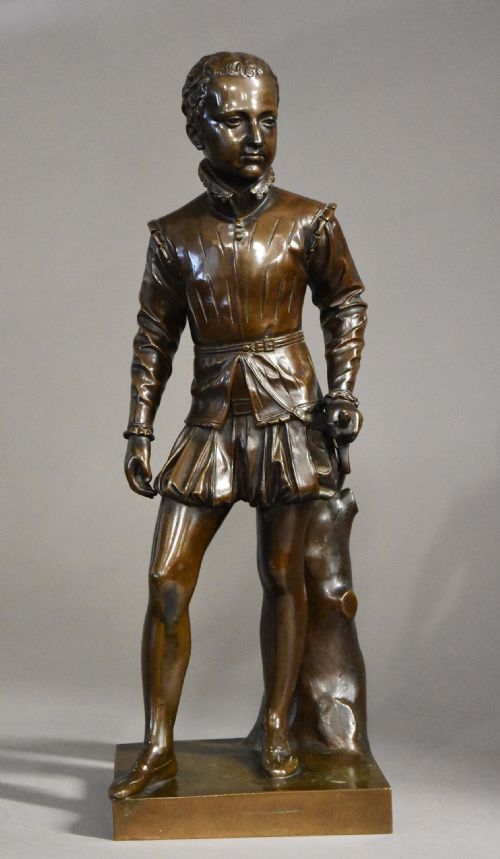
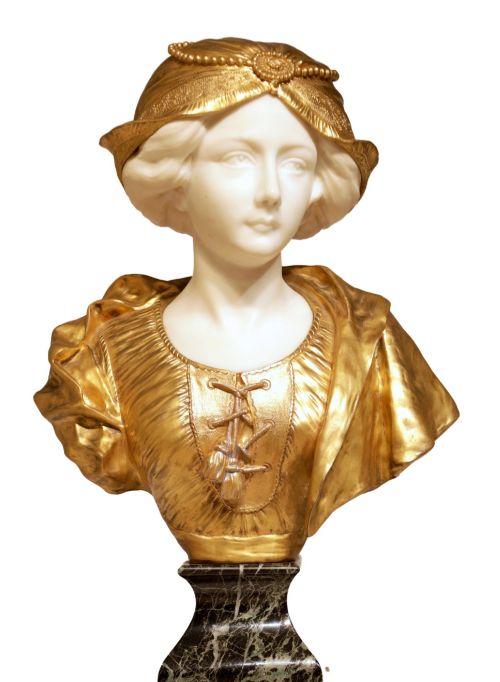
Foundries utilised cast bronze, often patinated to create dark surfaces or gilded to produce bright ormolu finishes.
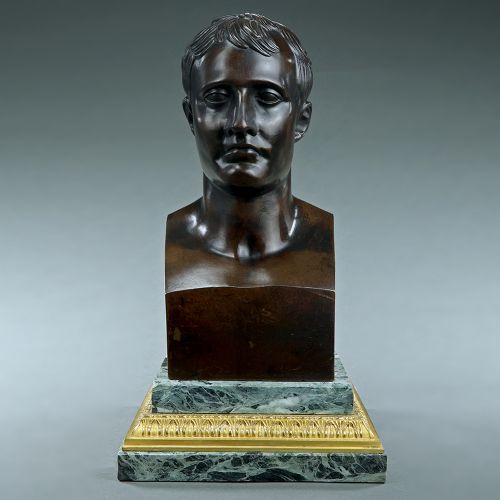
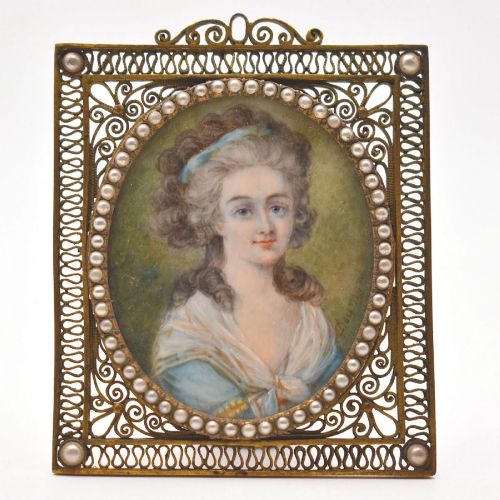
Sculptors frequently mounted bronze busts on marble bases, and combined metalwork with enamel, glass, porcelain, and miniature paintings.
French Portrait Bronzes Retail Price Guide 2026
Typical asking prices for french portrait bronzes among the pieces listed under this phrase on Sellingantiques today, from the lower quarter to the upper quarter. They describe what is for sale here now, not the wider market.
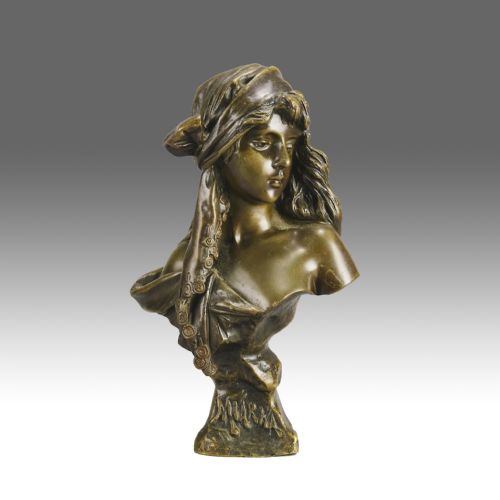
Art Nouveau works on this page frequently portray named female subjects alongside historical figures like Napoleon and John Milton.
Assessing quality
Signatures by known sculptors and detailed hand-finishing elevate the standing of a piece within its period.
Affortunato Gory·Emmanuel Villanis·Georges Charles Coudray·Jean Jules Salmson·Emile Laporte·Mathurin Moreau·Adolphe Jean Lavergne·Ernest Eugene Hiolle
The French Portrait Bronzes Glossary
- Ormolu
- Gilded bronze applied to decorative arts, particularly popular in French mantle clocks and picture frames. It provides a bright golden surface finish.
- Patinated bronze
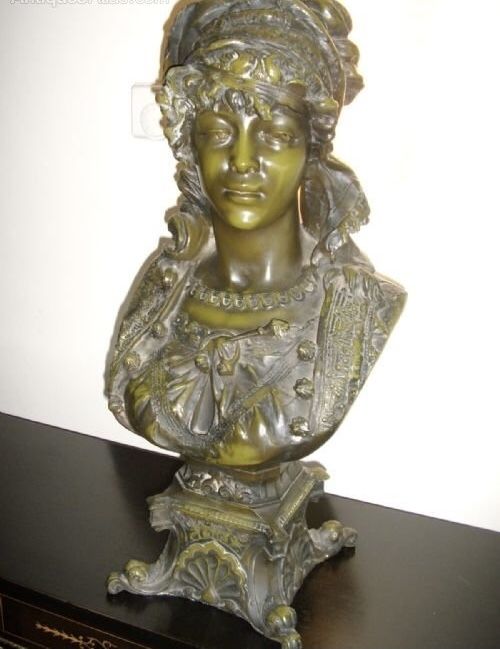
- Bronze treated with chemicals to produce a specific surface colour, most commonly deep brown or green. This finish protects the metal and defines sculptural details.
- Portrait miniature
- A small-scale painting on enamel, porcelain, or ivory, frequently integrated into frames and clock faces. These detailed works complement the surrounding metalwork.
- Spelter
- A zinc alloy utilised as a cheaper alternative to bronze for decorative figures. It appears in several nineteenth-century models.
French Portrait Bronzes: Frequently Asked Questions
What periods do these bronzes cover?
The pieces span the eighteenth, nineteenth, and early twentieth centuries. Many originate from the nineteenth century and the Art Nouveau period.
Styles range from French Empire and Rococo Revival to flowing Art Nouveau designs.
How were portrait bronzes displayed?
Sculptural busts sat upon desks, sideboards, and mantelpieces, often anchored by heavy marble bases. Wall plaques and picture frames hung in parlours and drawing rooms.
Clocks and jewellery caskets integrated portraits into functional household objects.
Are these pieces signed?
Several works bear the signatures of notable French sculptors and foundries upon the metal base. Others remain unsigned but follow established stylistic traditions.
Signatures help identify the artist and the period of production.
What other materials accompany the bronze?
Foundries combined bronze with marble, glass, enamel, and porcelain panels. Picture frames and clocks frequently incorporate gilt bronze or ormolu mounts alongside painted miniatures.
Terracotta also appears in sculptural portraiture.