

French Porcelain Table
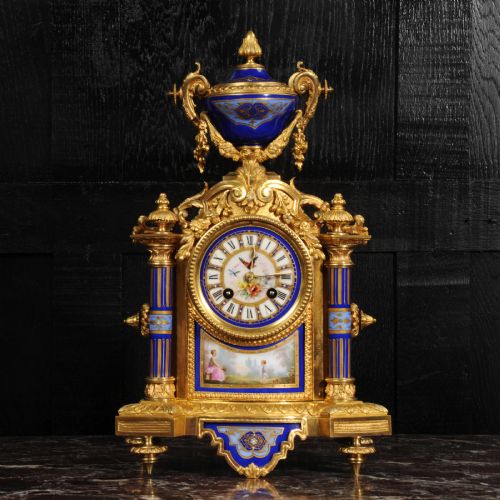
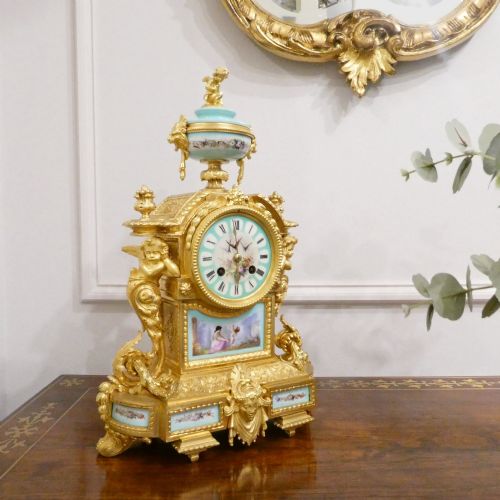
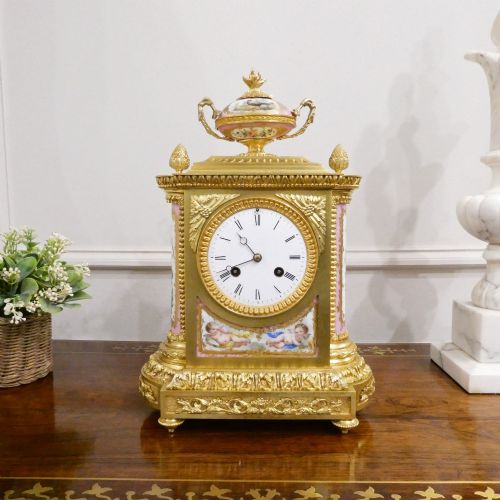
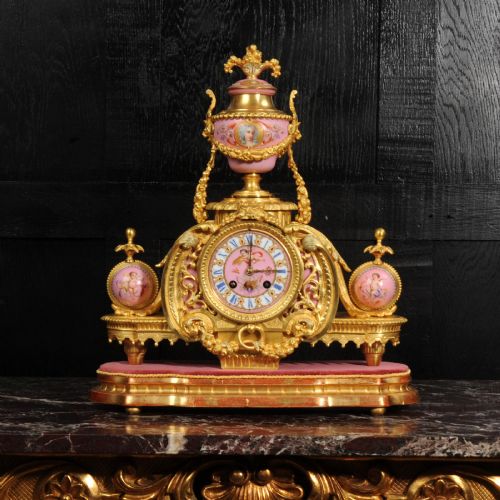
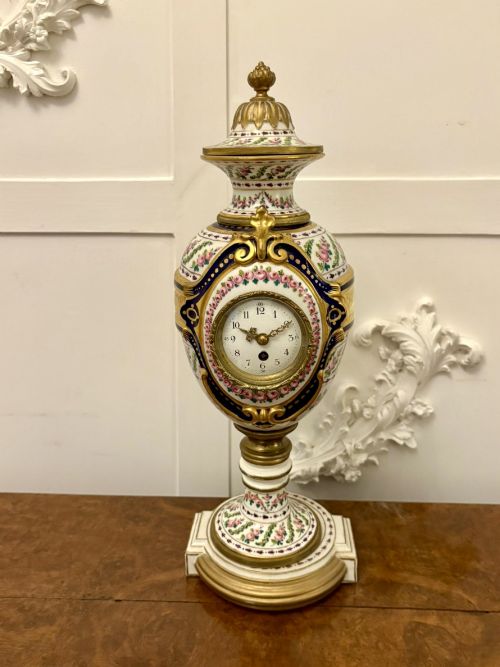
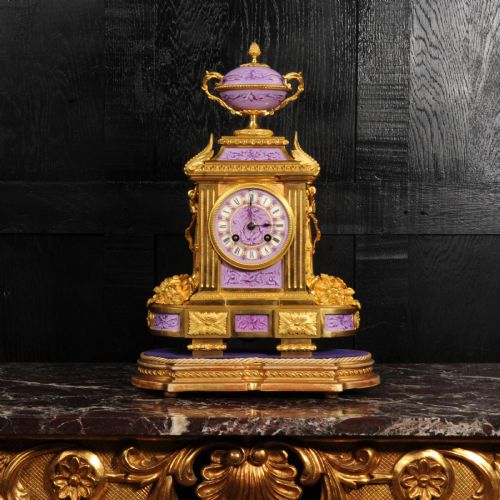
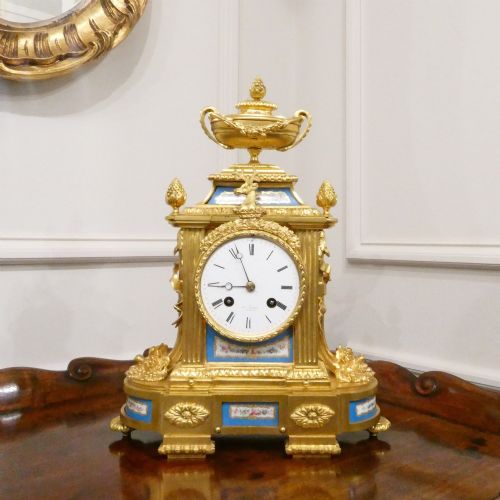
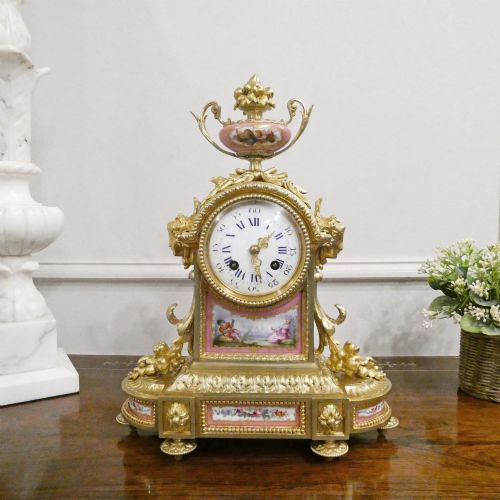
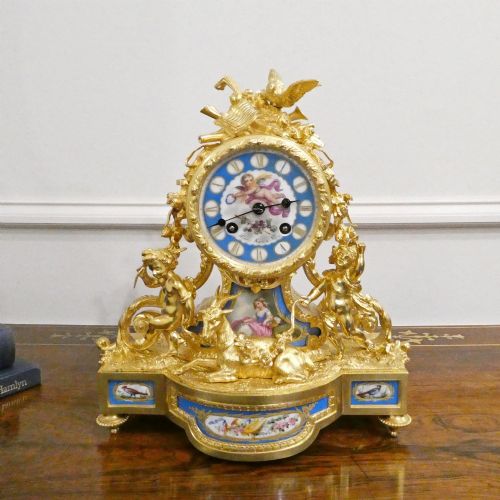
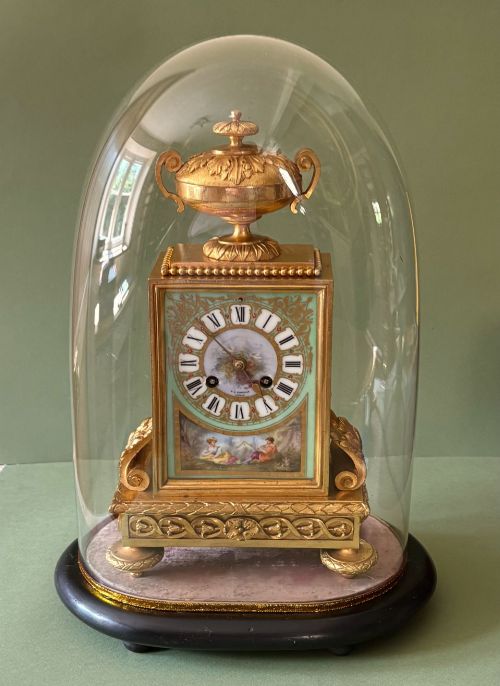
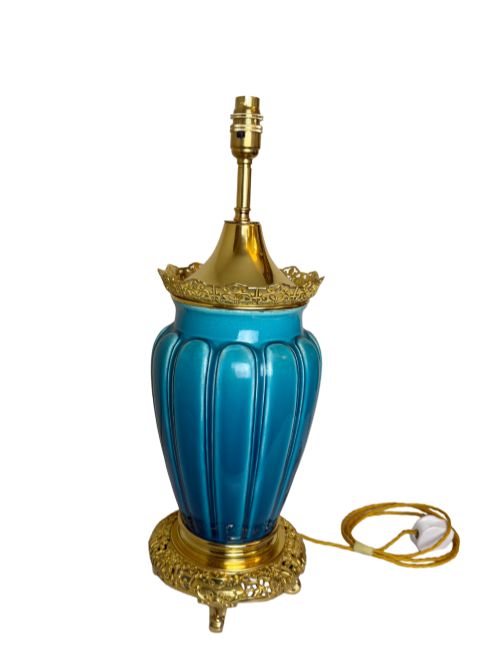
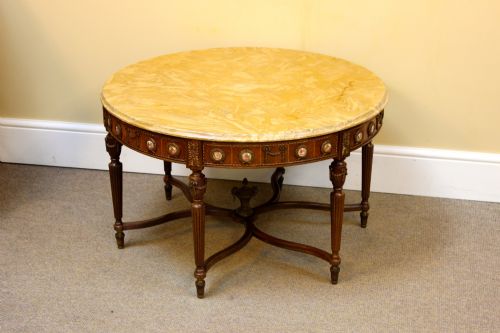
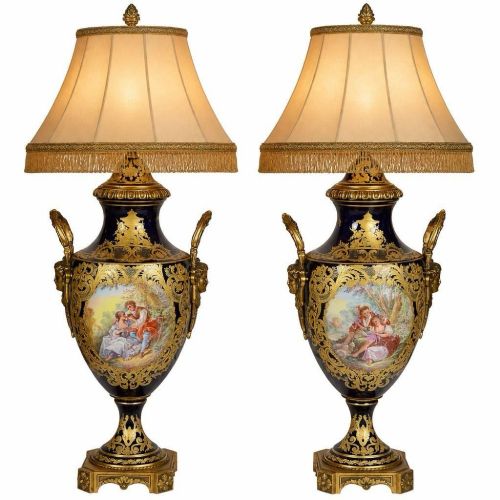
A french porcelain table brings together fine ceramic plaques and gilt bronze mounts to define nineteenth-century interiors.
French Porcelain Table
When searching for a french porcelain table, a buyer encounters writing desks, writing tables, and games tables produced during the nineteenth century. These pieces integrate porcelain plaques into wooden carcases, often framed by decorative metalwork.
The surviving examples range from compact bonheur du jour desks to larger console and side tables. Many incorporate Sevres style plaques decorated with hand-painted scenes or floral motifs, set into kingwood, walnut, or ebonised timber.
Makers integrated ceramic elements into furniture to display wealth and artistic refinement. The most frequent formats on this page combine porcelain inserts with ormolu mounts in Louis XV or Louis XVI revival styles.
Materials and Techniques
Workshops combined native and exotic timbers such as kingwood, rosewood, and amboyna to build the foundational structures. Artisans then applied gilt bronze or ormolu mounts to edge the woodwork and frame the ceramic components.
The ceramic elements consist of fired porcelain bodies, frequently painted by hand with classical figures, birds, or floral sprays, and occasionally finished with pate-sur-pate relief work. Glazes varied from deep cobalt blue and turquoise to soft celadon.
Metal components were cast, chased, and gilded to create rich decorative borders that secured the porcelain plaques into the wooden surfaces.
Cabinetmakers occasionally concealed secret compartments behind painted porcelain plaques to hide love letters.
Measures of Quality
The standard of a piece depends largely on the crispness of the bronze casting and the precision of the ormolu chasing. Superior examples display sharply defined details in the metal mounts rather than soft, blurred edges.
The quality of the porcelain painting sets exceptional items apart from standard production. Finely executed hand-painted panels with detailed brushwork and rich colour application indicate higher workshop standards.
Integration of materials also distinguishes better execution, where the timber veneer, mounts, and porcelain plaques fit flush and harmonize in proportion and design.
Achille Brocot·Henry Marc·Japy Freres·Etienne Lenoir·G T Morant·Jacob Petit
The French Porcelain Table Glossary
- Ormolu
- Gilded bronze used widely for decorative mounts on furniture and clocks. The technique involves applying a mercury and gold amalgam to cast bronze before heating.
- Sèvres
- The renowned French porcelain manufactory. Pieces in this style imitate the soft-paste and hard-paste wares produced for the French royal court.
- Pate-sur-pate
- A ceramic technique where wet porcelain slip is applied in successive layers to a dry body to create a low relief cameo effect.
- Bonheur du jour
- A small, light lady's writing desk featuring a tiered superstructure with drawers, shelves, or a cabinet above the main writing surface.
- Kingwood
- A dense, richly figured Brazilian timber prized for its contrasting dark violet-brown and golden stripes in nineteenth-century cabinetmaking.
French Porcelain Table: Frequently Asked Questions
How do I identify genuine ormolu?
Genuine ormolu exhibits a warm, golden hue with sharp chisel work visible under magnification, resulting from mercury gilding techniques used in the nineteenth century. Modern reproductions often show uniform yellow electroplating and lack hand-chased depth.
Inspect the weight and underside of the mounts, as antique bronze castings feel heavy and display tooling marks left by the maker's hand.
What is a bonheur du jour?
A bonheur du jour is a small ladies' writing desk featuring a raised superstructure with compartments, drawers, or a small cupboard above the main writing surface. These pieces gained popularity during the revival styles of the nineteenth century.
They were typically placed in private boudoirs or drawing rooms for correspondence and light administrative tasks.
How do I care for porcelain plaques on furniture?
Maintain porcelain plaques by dusting gently with a dry, soft cloth to prevent abrasive particles from scratching the glaze or hand-painted enamel details. Avoid using liquid cleaners or chemical polishes near the ceramic surfaces, as moisture can seep behind the mounts.
Keep the furniture away from direct sunlight and steady heat sources to protect the wooden carcase and prevent the timber from warping around the ceramic inserts.