

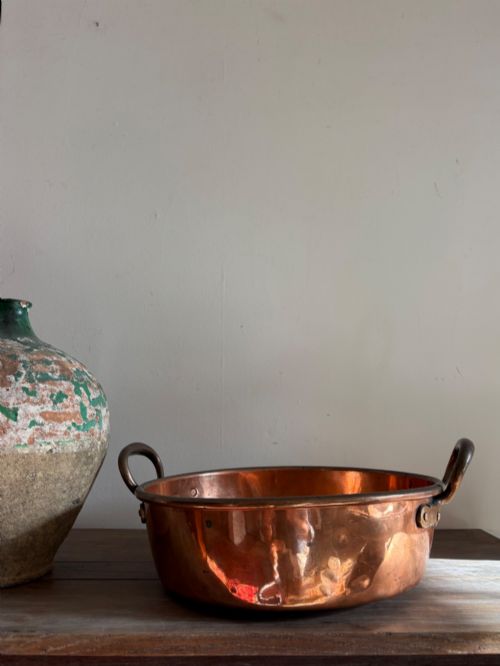
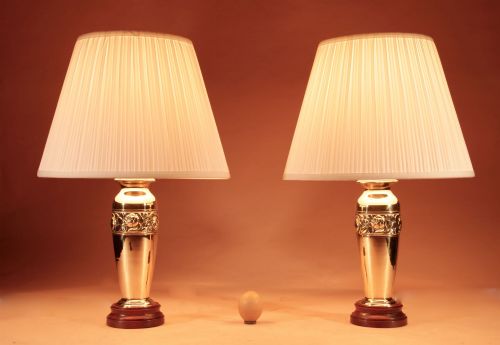
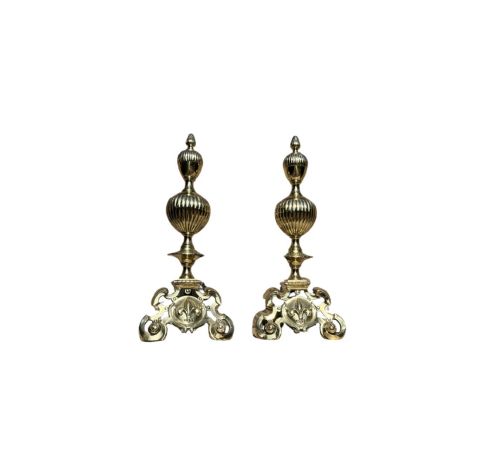
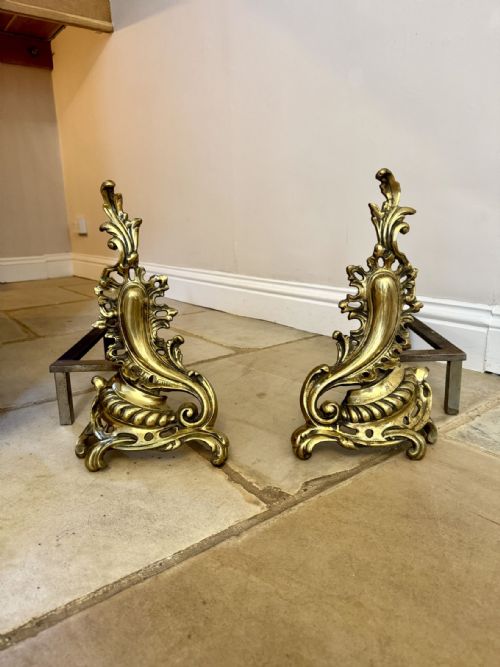


French Polished Brass
French polished brass combines bright metallic warmth with classical continental styling, offering striking decorative presence for period interiors.
French Polished Brass
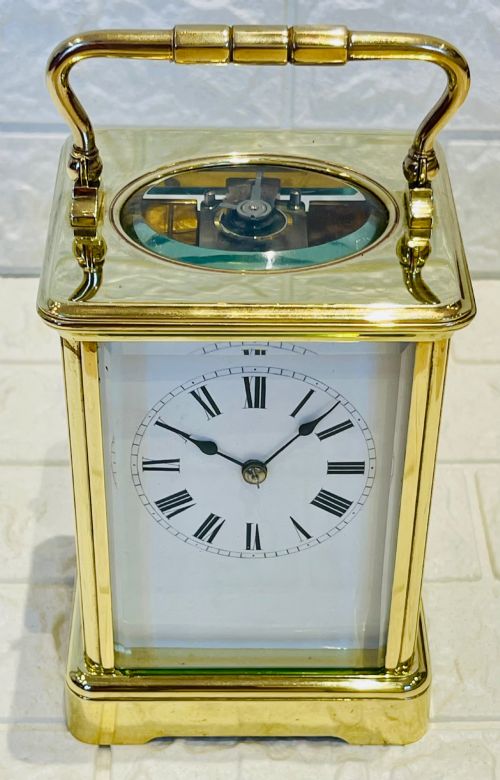
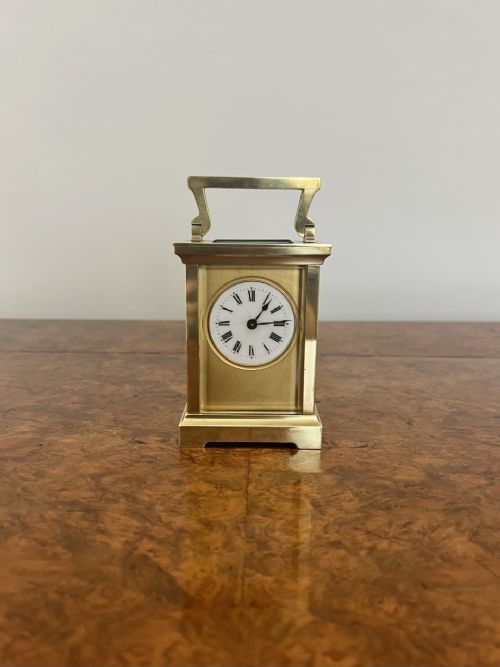
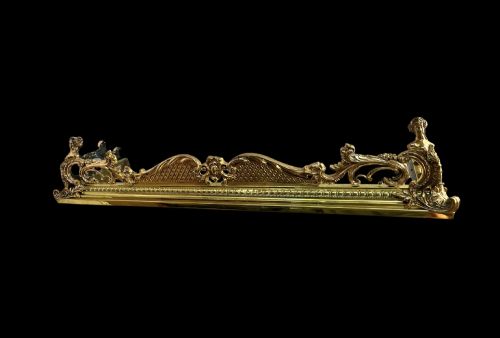
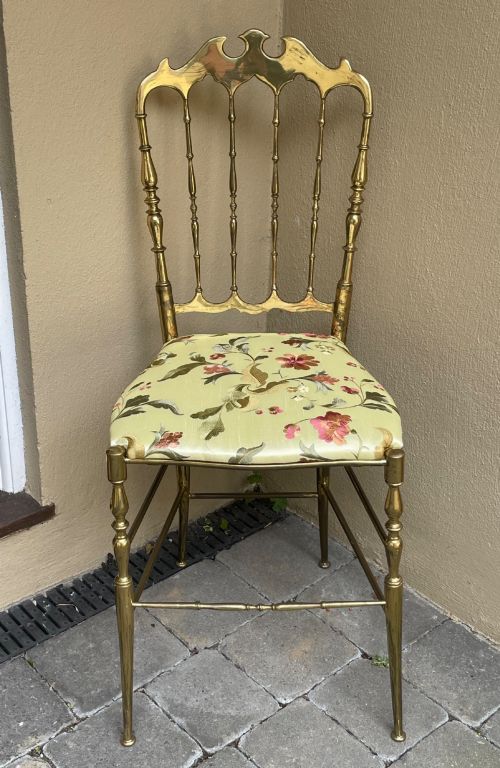
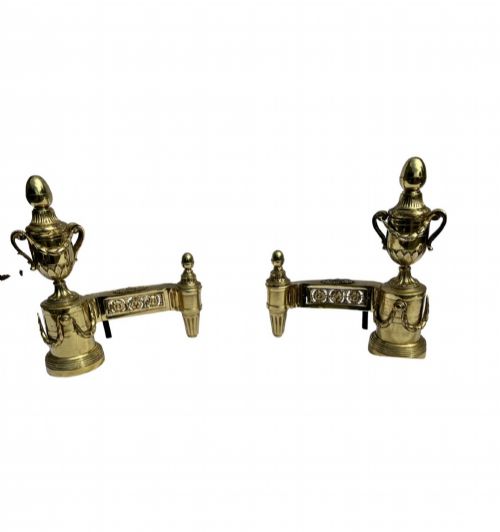
French polished brass items encompass lighting, timepieces and fireplace accessories originating from nineteenth and early twentieth century periods. Buyers searching for french polished brass encounter decorative carriage clocks, heavy andirons, wall lights and polished lanterns.
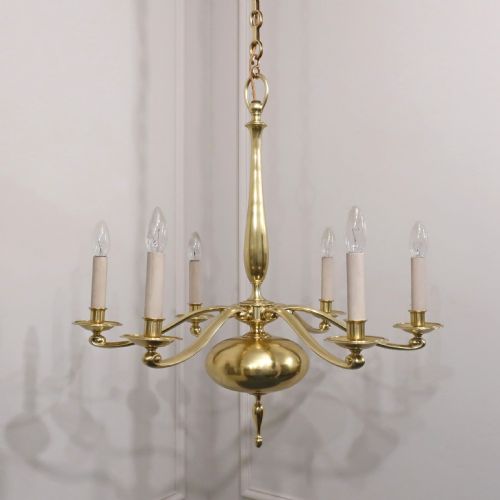
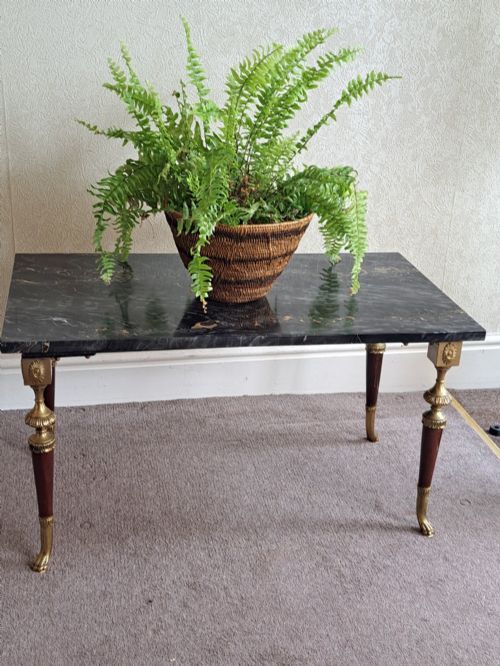
The assortment includes distinctive forms such as jardinières, candelabra, fire dogs and occasional tables incorporating brass elements alongside copper, steel and marble. Pieces display stylistic influences ranging from Victorian and Edwardian to Art Nouveau and Rococo Revival.
Most examples originate from French workshops or continental makers adhering to classical design traditions. The selection emphasises functional decorative objects possessing polished metallic surfaces and intricate cast detail.
Materials and construction methods
Construction relies heavily on cast and sheet brass, frequently combined with bronze, copper and steel structural elements. Metal components undergo careful polishing to achieve bright reflective surfaces, occasionally complemented by glass panels, enamel dials or marble tops.
Clock movements and intricate mounts involve precision brass machining and hand finishing by skilled metalworkers. Fireplace furnishings and lighting fixtures utilise heavy sand casting and repoussé techniques to create ornamental relief patterns.
French Polished Brass Retail Price Guide 2026
Typical asking prices for french polished brass among the pieces listed under this phrase on Sellingantiques today, from the lower quarter to the upper quarter. They describe what is for sale here now, not the wider market.
Listings feature brass combined with glass, enamel, steel, copper, wood, fabric and iron across nineteenth and twentieth century periods.
Assessing quality and craftsmanship
Superior examples display crispness in cast ornamentation, deep relief work and substantial metal weight rather than hollow pressings. High grade carriage clocks and lighting incorporate robust mechanical movements and finely detailed bezels or casework.
The integrity of the polished finish and the preservation of original patination distinguish exceptional items from later re-plated pieces. Quality is further evident in the harmony between brass elements and secondary materials such as glass, bronze and marble.
T Martin And Co·Dwerrihouse And Bell·Drocourt·J C Vickery
The French Polished Brass Glossary
- Carriage clock
- A portable spring-driven timepiece designed for travelling, typically featuring a brass frame glazed on all sides to display the movement.
- Andirons
- Heavy metal supports used in pairs inside a fireplace to raise logs for better air circulation and burning.
- Repoussé
- A metalworking technique where the metal is hammered from the reverse side to form a raised design in relief.
- Jardinière
- An ornamental pot or stand designed to hold growing plants or flowers, often manufactured in brass or copper.
- Candelabra
- A branched candlestick holder designed to support multiple candles simultaneously upon a central stem.
French Polished Brass: Frequently Asked Questions
How do I clean polished brass safely?
Dust surfaces gently with a soft dry cloth to prevent the accumulation of airborne grime and particulate matter. Avoid abrasive cleaners that strip the protective finish and reveal raw metal beneath.
For stubborn tarnish, apply a specialised non-abrasive metal polish sparingly with cotton wool. Buff the surface immediately afterwards with a clean flannel cloth to restore the bright reflective shine.
What period do most carriage clocks belong to?
The majority of brass carriage clocks originate from the nineteenth century through the Edwardian era. These portable timepieces reflect the mechanical ingenuity and travel habits of the period.
Maker signatures and serial numbers engraved on the movement plates often help narrow down the production decade. Look for hallmarks and case styles typical of Victorian and turn-of-the-century craftsmanship.
Where should I place a heavy brass jardiniere?
Position heavy brass jardinières on sturdy wooden sideboards, marble tables or dedicated plant stands capable of supporting substantial weight. Ensure the surface is protected from moisture if living plants are placed directly inside.
Keep these decorative vessels away from damp environments to prevent corrosion of the metal surface. Natural daylight highlights the polished brass and repoussé relief details effectively.
How do I distinguish French styles in metalwork?
French metalwork often exhibits fluid organic lines associated with Art Nouveau or ornate scrolling characteristic of Rococo Revival. Examine the casting style for asymmetrical motifs and naturalistic plant forms.
Empire and Neoclassical pieces lean towards symmetry, classical urn motifs and architectural proportion. Comparing the decorative vocabulary helps date the item within the broader nineteenth century continuum.