
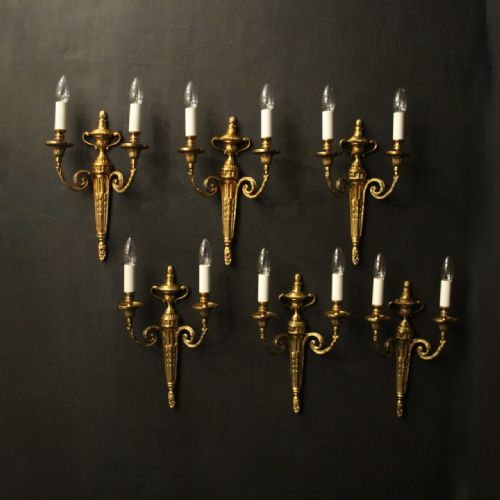


French Period Lighting
French period lighting encompasses metal and crystal fittings from the eighteenth century to the 1930s that bring decorative illumination and period character to interiors.
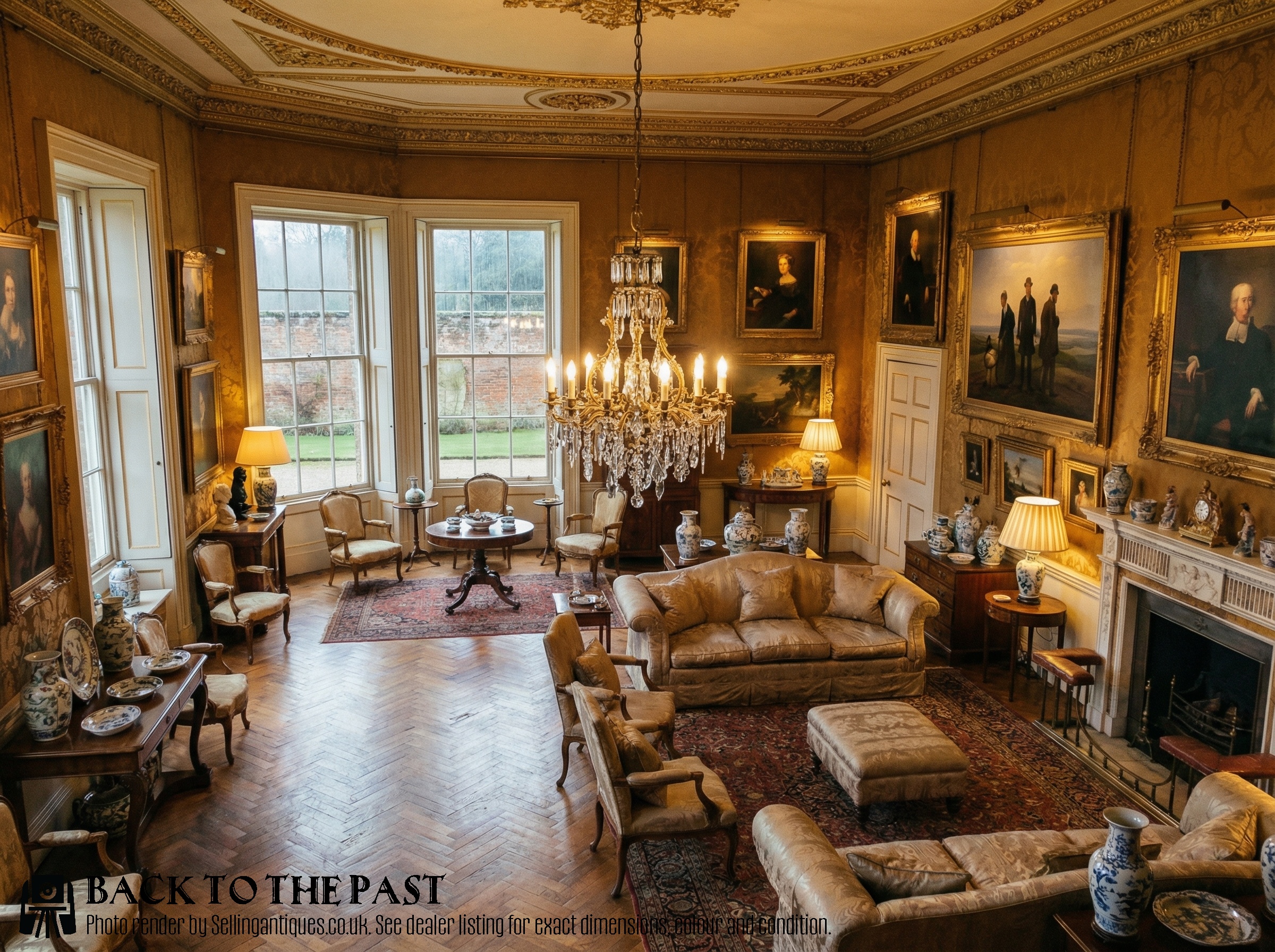
French Period Lighting
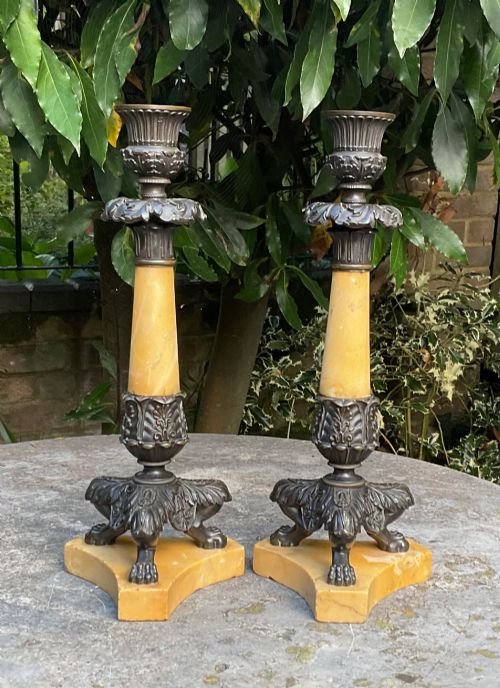
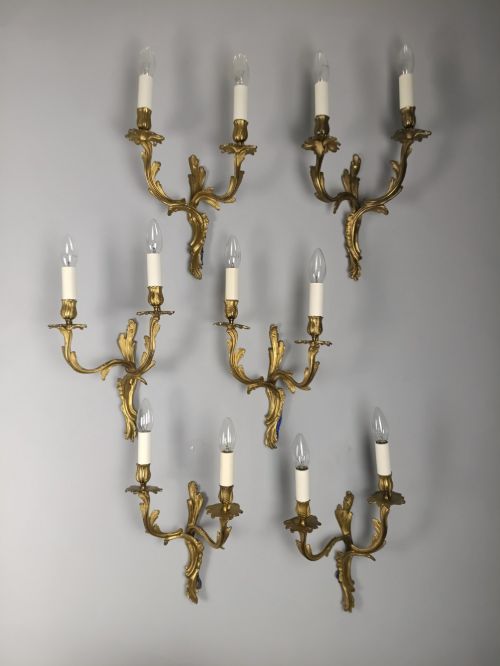
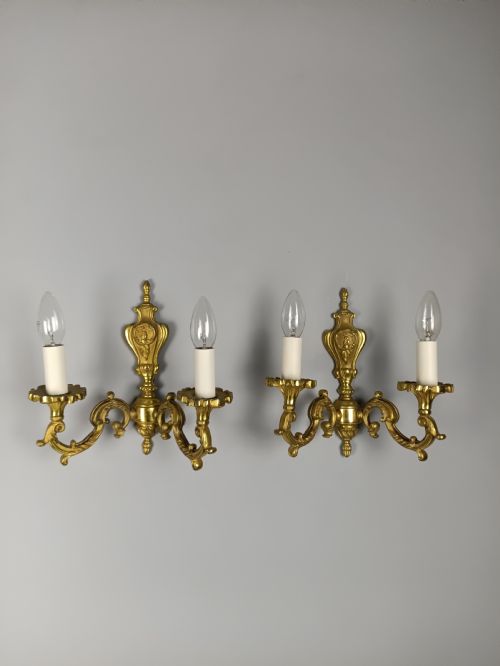
French period lighting covers wall lights, chandeliers, candelabra, lanterns, and candlesticks spanning periods from the 18th century through the 1930s. Buyers searching for french period lighting encounter items ranging from Regency and Empire designs to 1930s brass wall lights and Art Deco fixtures.
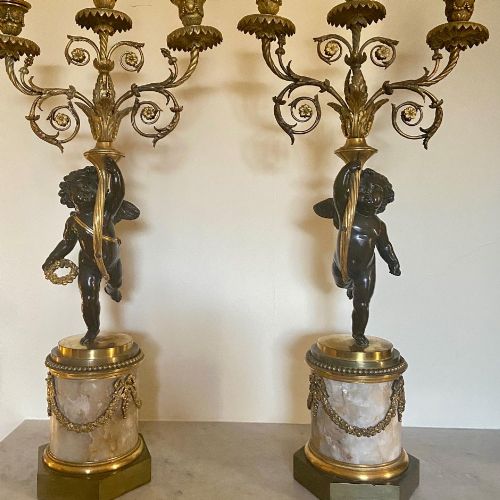
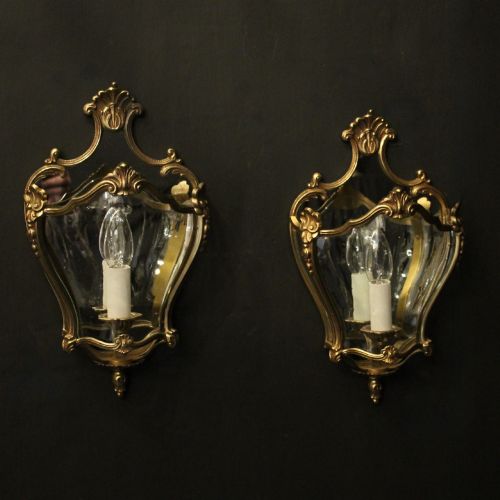
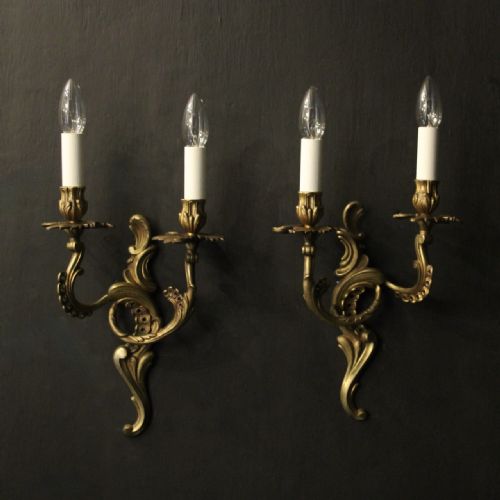
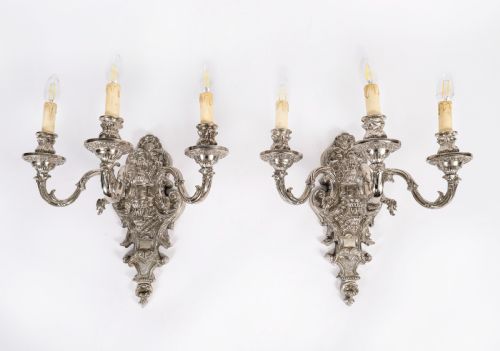
The selection on this page leans heavily toward wall lights and candelabra in brass, gilt bronze, and ormolu. Pieces reflect stylistic revivals including Louis XVI, French Rococo, and Neoclassical forms alongside Edwardian and early 20th-century creations.
Materials and construction methods
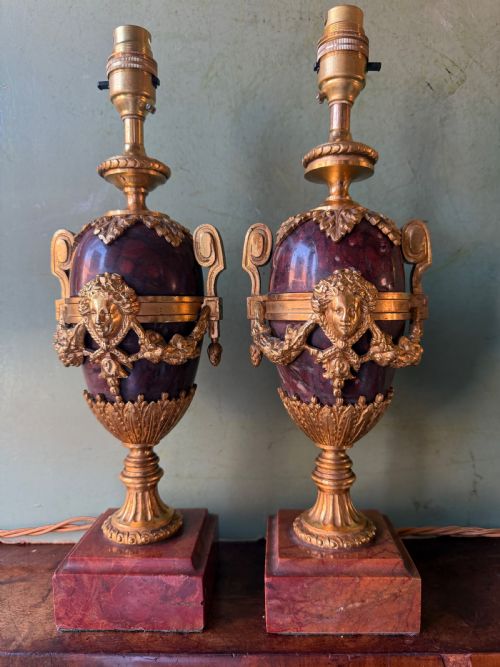
Fittings combine cast metals such as brass, bronze, gilt bronze, and ormolu with decorative elements of crystal, marble, and glass. Foundational materials like patinated bronze provide contrast against gilded surfaces.
Makers utilised casting and mounting techniques, securing metal components to stone plinths or incorporating enamel and crystal drops. Wiring is often updated in later iterations while maintaining original metalwork.
French Period Lighting Retail Price Guide 2026
Typical asking prices for french period lighting among the pieces listed under this phrase on Sellingantiques today, from the lower quarter to the upper quarter. They describe what is for sale here now, not the wider market.
Listings feature items from the 18th century, Regency period, 19th century, Edwardian era, and the 1930s.
Distinctions in quality
Quality rests in the crispness of the metal casting and the depth of the gilding or patination. Finely chased details on ormolu and bronze figures separate standard production items from masterworks.
The integrity of integrated materials, such as matched marble bases and intact crystal drops, defines the standard of preservation across these lighting fixtures.
Francois Redmond·Rabiat
The French Period Lighting Glossary
- Ormolu
- Gilded bronze produced by applying a mercury and gold amalgam to cast bronze. This technique creates a rich golden surface found on many decorative pieces.
- Candelabra
- Branched lighting fixtures designed to hold multiple candles. They often feature removable arms or central figural columns.
- Patinated bronze
- Bronze treated with chemical solutions to produce a darkened surface finish. This treatment highlights sculptural contours and provides contrast against gilt mounts.
- Fluorspar
- A halide mineral utilised in decorative objects and candle stands. It yields distinctive colouration and crystalline structures in period pieces.
French Period Lighting: Frequently Asked Questions
How do I date French wall lights?
Dating relies on stylistic markers such as Neoclassical motifs, Empire geometry, or 1930s Art Deco enamel details. Construction methods and material combinations further clarify the period of manufacture.
Examining the casting quality and fixing screws provides additional clues to age and origin.
Were these lights converted for electricity?
Many antique wall lights and chandeliers have been rewired for modern electrical use. Conversions allow historical fixtures to function safely in contemporary settings.
Original sockets or wiring are occasionally retained for display purposes on specific pieces.
What is the difference between ormolu and gilt bronze?
Ormolu specifically refers to mercury gilding on bronze, a technique prevalent in eighteenth and nineteenth-century French manufacturing. Gilt bronze is a broader term for bronze treated with any gold-colour finish.
Both finishes provide a durable golden appearance on decorative metalwork.
How do I clean gilt bronze lighting?
Maintenance requires gentle dusting with a soft dry cloth to protect the delicate metallic surface. Water and chemical cleaners damage the original gilding and patination.
Professional conservation is recommended for heavily soiled or tarnished antique metalwork.