





French Ormolu Tiebacks
French ormolu tiebacks bring golden French detail to heavy drapes, holding fabric back with the warmth of gilt metal.
French Ormolu Tiebacks
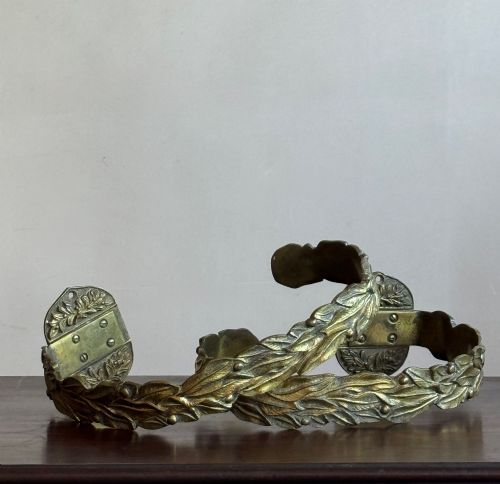
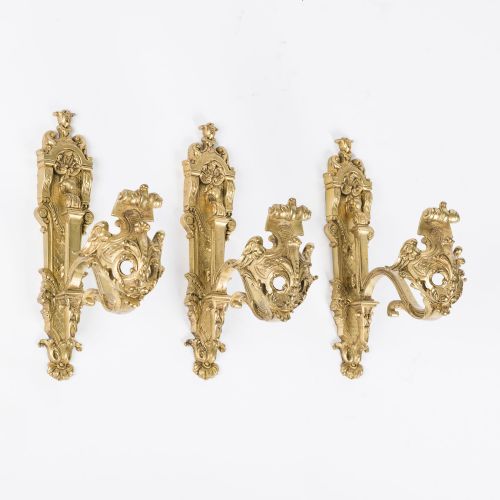
French ormolu tiebacks are decorative wall fixtures designed to hold drapery back from a window, appearing in forms such as curtain tiebacks, curtain tie-backs, curtain tie-backs, and wall hooks. They emerge primarily across the nineteenth century, including the Victorian period and specific dates like 1870 and 1880.
How they were made
These items rely on metalworking techniques, utilising cast metal formed into sculptural shapes like Gothic dragons and ornate floral scrolls. The primary surface treatment involves applying gilt or ormolu finishes to brass and bronze substrates, creating a bright golden lustre.
Makers shaped the heavy metal through casting before applying gold via fire gilding or electroplating. The resulting objects combine structural strength with intricate surface relief characteristic of French revivalism.
French Ormolu Tiebacks Retail Price Guide 2026
Typical asking prices for french ormolu tiebacks among the pieces listed under this phrase on Sellingantiques today, from the lower quarter to the upper quarter. They describe what is for sale here now, not the wider market.
Listings span the nineteenth century, including specific dates around 1870 and 1880, alongside Victorian era examples.
What varies in quality
Quality in these pieces rests upon the crispness of the cast relief and the depth of the gilding. Sharply defined acanthus leaves and well-modelled figures separate superior examples from softer, worn castings.
The choice of base metal also dictates substance and weight, with heavier bronze and ormolu pieces offering greater durability and richer patination than lighter brass alternatives.
Henri Picard
The French Ormolu Tiebacks Glossary
- Ormolu
- A term denoting a gilded bronze finish applied to decorative metalwork. This technique gives the surface a rich golden appearance.
- Gilt Brass
- Brass that has been coated with a thin layer of gold or gold-coloured wash. It provides a bright metallic finish similar to more costly bronze.
- French Rococo Revival
- A nineteenth-century style mimicking the asymmetrical curves, C-scrolls, and naturalistic motifs of the eighteenth-century French court. It dominates many decorative metal fixtures of this era.
- Louis XVI
- A neoclassical style marked by straight lines, symmetry, and classical architectural motifs such as urns and laurel wreaths. This aesthetic often influences formal nineteenth-century hardware.
French Ormolu Tiebacks: Frequently Asked Questions
How do I install these tiebacks?
These pieces generally mount directly to the wall beside a window frame using screws inserted through a backplate or stem. The heavy metal construction requires secure anchorage into timber or masonry to support the weight of thick drapes.
Position them at a height that gathers the curtain gracefully, usually around one-third to halfway down the window drop. Ensure the projection extends far enough from the wall to accommodate the volume of your fabric.
Were these always used for curtains?
While primarily designed to hold drapery back from windows, similar heavy metal hooks served multiple domestic functions in period interiors. They occasionally acted as robe hooks or small wall brackets for hanging textiles.
On this page, the listings concentrate strictly on curtain fixtures and wall hooks intended to manage window dressings. Their robust metal build made them suitable for heavy velvet and damask drapes common in nineteenth-century parlours.
How do I clean gilt metal?
Gilt metal surfaces require gentle dusting with a soft, dry cloth to remove surface particles. Avoid abrasive polishes or harsh chemical cleaners, which can strip away the delicate gold layer.
If the metal requires more attention, a very lightly dampened cloth with mild soap can lift grime, followed immediately by drying. Protecting the original ormolu or gilding preserves the historical appearance and surface value of the piece.
How do I distinguish French styles?
French Rococo revival pieces feature asymmetric scrolls, shell motifs, and flowing organic lines that mimic mid-eighteenth-century design. In contrast, Louis XVI and Empire styles rely on symmetry, geometric precision, and classical emblems like wreaths or urns.
Gothic revival examples, by contrast, incorporate medieval architectural elements or creatures such as dragons. Examining the decorative motifs helps identify whether a piece leans toward whimsical curves or formal classical restraint.