







French Opalescent Glass Vanity
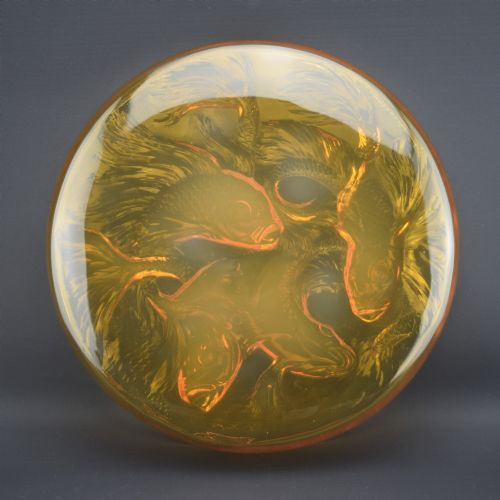
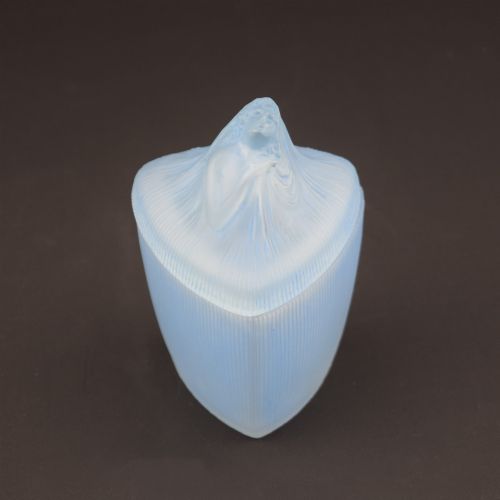
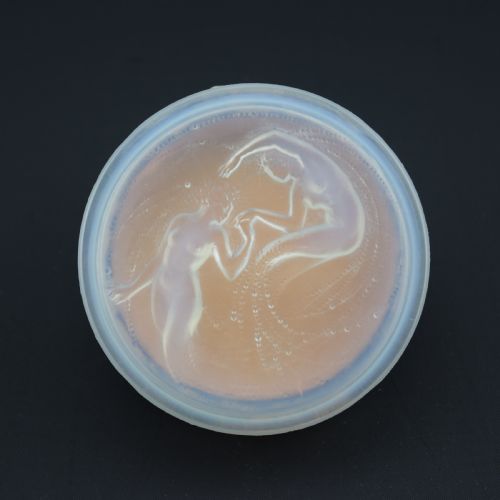
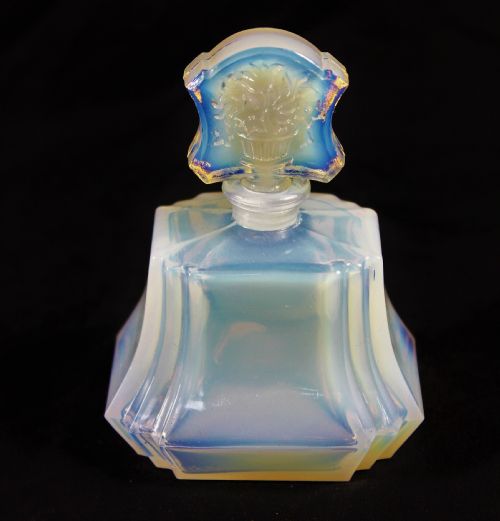
French opalescent glass vanity items are tactile dressing table pieces that catch the light with milky blue hues.
French Opalescent Glass Vanity
When you search for french opalescent glass vanity pieces, you encounter dressing table accessories designed to hold perfume, powder or trinkets. These items sit upon the bedroom furniture of the early twentieth century, bringing a translucent glow to glass surfaces.
You are most likely to meet pressed glass perfume bottles and powder boxes from the Art Deco and Art Nouveau periods. These pieces range from Victorian enamelled glass trinket boxes up to modernist Sabino and Rene Lalique creations.
The objects serve a dual purpose of utility and dressing table decoration. Their moulded designs catch daylight and candle flame alike, transforming simple containers into miniature sculptures.
How they were made
Makers utilised pressed and frosted glass techniques to achieve the characteristic milky opalescence. Molten metal was pressed into metal moulds, allowing intricate reliefs of butterflies, women and geometric motifs to emerge.
The milky blue or white glow relies on bone ash or other chemical agents added to the glass batch, which scatter light differently than clear glass. Brass mounts and enamel decoration sometimes complement the moulded glass bodies.
Many a dressing table bottle still carries the faint, sweet ghost of forgotten powder inside its tight-fitting glass stopper.
What varies in quality
The crispness of the moulded relief dictates much of the visual success in these items. Sharper details in the glass figures indicate fresher moulds and greater sculptural control during the pressing process.
The depth and distribution of the opalescent fire within the glass create the strongest aesthetic impact. Superior pieces display a vivid blue play of light across the raised surfaces, contrasting with the translucent ground.
Rene Lalique·Sabino
The French Opalescent Glass Vanity Glossary
- Opalescent Glass
- Glass that exhibits a milky, bluish translucence when lit from the front, caused by light refraction through microscopic particles in the melt.
- Pressed Glass
- Glass shaped by being pressed into a mould with a plunger, allowing complex decorative patterns to be produced efficiently.
- Frosted Glass
- Glass with a textured, matte surface created by acid etching or sandblasting to diffuse light and soften the appearance.
- Art Deco
- A style of design active in the 1920s and 1930s characterised by stylised motifs, symmetry and geometric discipline.
French Opalescent Glass Vanity: Frequently Asked Questions
What are French opalescent glass vanity pieces?
These items comprise perfume bottles, powder boxes and trinket containers designed for dressing tables. They originate primarily from French glassworks in the early twentieth century.
The glass exhibits a milky, translucent quality that catches light effectively. Makers used pressed and frosted techniques to create sculptural reliefs on the containers.
How were perfume bottles used?
Perfume bottles held personal fragrance on dressing tables during the Victorian and Art Deco eras. Their stoppers sealed the contents to prevent evaporation.
Many bottles remained as decorative ornaments once emptied. Their tactile surfaces invited handling during daily grooming routines.
How do I date these glass items?
Dating relies on stylistic clues such as Art Nouveau floral curves versus Art Deco geometric lines. Maker signatures and moulded signatures also help establish the production era.
Periods represented in these pieces span from late Victorian enamelled work to 1930s modernist designs. Examining the mounting hardware and glass colour provides further chronological context.
How do I live with opalescent glass?
Placing these items near natural light sources allows the opalescent quality to activate fully. They sit well on dressing tables, mantelpieces or within glass-fronted cabinets.
Careful placement avoids accidental knocks against the delicate pressed glass reliefs. Gentle cleaning with a soft cloth maintains the frosted texture.