




French Oil on Board
A French oil on board captures light and texture directly onto a rigid wooden panel, offering collectors an intimate window into continental modernism.
French Oil on Board
A French oil on board encompasses works executed on firm panels rather than stretched canvas, spanning the nineteenth century through the mid twentieth century. These pieces record landscapes, street scenes, and still lifes created across various regions from Paris to Provence.
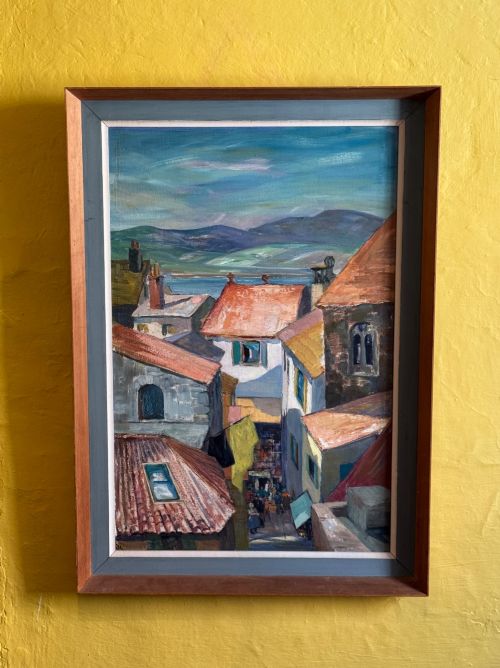
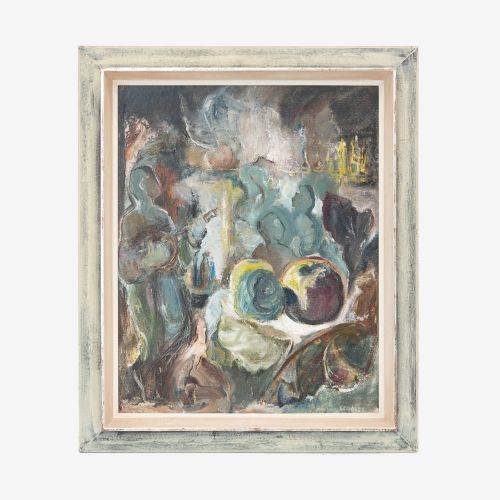
The selection frequently includes mid-century expressions, post-impressionist plein air studies, and surrealist compositions. Buyers encounter works attributed to the French School alongside pieces influenced by modernist colourism and cubism.
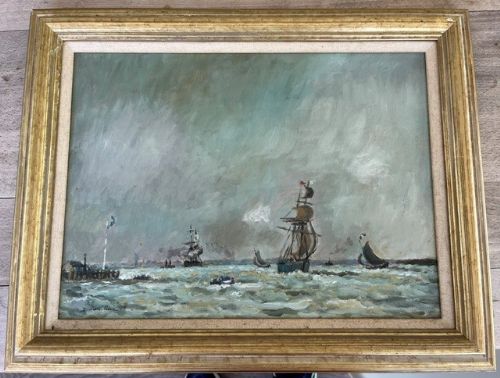
Surviving examples range from rapid landscape sketches captured outdoors to finished studio compositions depicting floral arrangements or coastal views. Each piece utilises the rigid support of wood or board to hold pigment applied with brushes or palette knives.
How they were made
Artists painted directly onto rigid supports such as wood panels, prepared boards, or artist board, sometimes applying a layer of gesso as a ground before working with oil paint. This solid base allowed painters to use firm pressure and apply thick, textured strokes without the bounce associated with woven fabric.
The application of oil paint varied from thin, translucent washes to heavy, impasto layers that built up physical relief on the surface. Gilding occasionally framed or accented these panels, while the interaction of oil mediums produced matte or glossy finishes depending on the absorption of the board.
French Oil on Board Retail Price Guide 2026
Typical asking prices for french oil on board among the pieces listed under this phrase on Sellingantiques today, from the lower quarter to the upper quarter. They describe what is for sale here now, not the wider market.
Materials recorded across the inventory include oil paint, prepared board, wood, gesso, and occasional gilt framing.
What varies in quality
Quality rests upon the confidence of the brushwork and the artist's ability to manipulate light and space within the strict confines of a rigid panel. Strong compositions demonstrate deliberate mark-making and harmonious colour relationships rather than hesitant corrections.
The condition of the painted surface and the stability of the underlying board dictate the longevity and visual impact of the work. Superior pieces retain vibrant pigment saturation and secure adhesion between the paint layer and the wood support.
Erich Mercker·Lilian Colbourn·Donald Wood·Albert de Belleroche·Hermoine Hammond·Jean Herbin
The French Oil on Board Glossary
- Oil on Board
- A painting technique where oil-based pigments are applied directly to a rigid wooden or composite panel. This medium offers a firm resistance that allows for both delicate glazing and thick impasto.
- Plein Air
- Painting outdoors in natural light to capture immediate atmospheric conditions and transitory effects. Artists working in this manner often relied on portable wooden boards for convenience.
- Impasto
- Paint applied thickly to a surface, leaving visible brush or palette knife ridges that stand proud of the plane. This technique adds tactile depth and catches light across the painted scene.
- Gesso
- A white paint mixture consisting of a binder mixed with chalk, gypsum, or pigment used as a preparatory layer on panels. It creates a smooth, stable absorbent surface for oil painting.
- Post-Impressionism
- An art movement extending the stylistic approach of impressionism while rejecting its limitations. Practitioners emphasised symbolic content, formal order, and expressive use of colour.
French Oil on Board: Frequently Asked Questions
Why did artists paint on board instead of canvas?
Wooden panels and stiff boards provided a rigid, immediate surface that required minimal preparation and travelled easily for outdoor sketching.
This firm support suited artists who worked quickly with heavy paint loads or palette knives without worrying about fabric slackening.
How should I frame an antique oil on board?
These works require framing that leaves the edges visible and allows the panel room to breathe without clamping the wood too tightly.
Traditional gilt mouldings or simple wooden box frames complement the period aesthetic while protecting the delicate painted perimeter.
How do I identify mid-century French works?
Mid-century pieces often display abstracted forms, expressive brushwork, and a vibrant colour palette characteristic of post-war European art movements.
Signatures, framing remnants, and stretcher or board stamps frequently provide clues to the regional origin and decade of creation.
Are these paintings sensitive to environmental changes?
Rigid boards react to extreme fluctuations in humidity and temperature by expanding or contracting, which can stress the paint layer.
Keeping pieces away from direct heat sources and maintaining stable indoor conditions prevents warping and surface cracking over time.