



French Oak Storage Cabinet
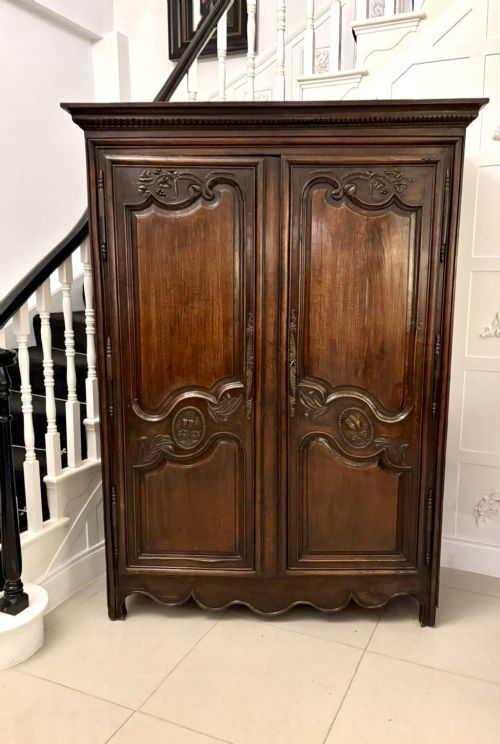
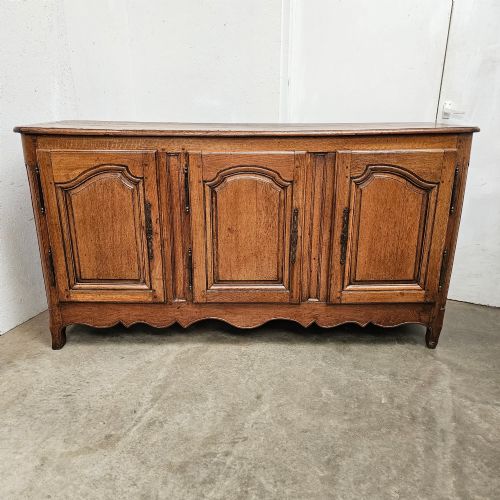
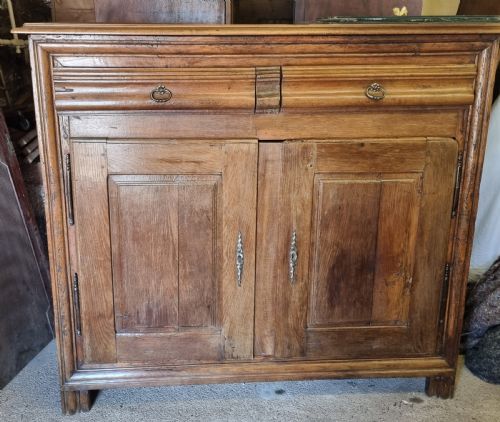
A french oak storage cabinet brings robust provincial utility and generous proportions to any room, whether built as a tall armoire, a low buffet or a kitchen larder.
French Oak Storage Cabinet
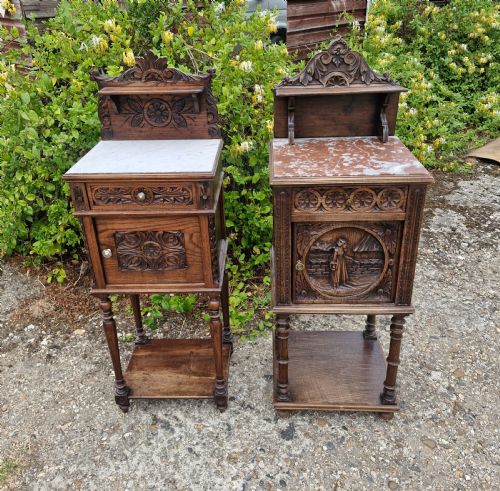
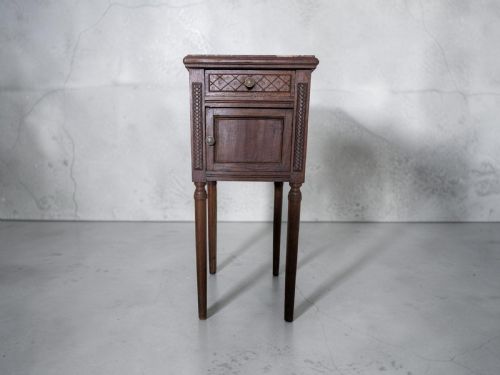
These pieces are practical storage furniture originating from various French regions, encompassing forms such as armoires, sideboards, cupboards, enfilades and bedside cabinets. When you search for a french oak storage cabinet, you encounter work spanning from the seventeenth century through to mid twentieth century utility and Art Deco designs. Provincial house keeper cupboards, mountain cupboards and sacristy cabinets feature strongly alongside monumental buffet de corps and smaller wall hanging pieces.
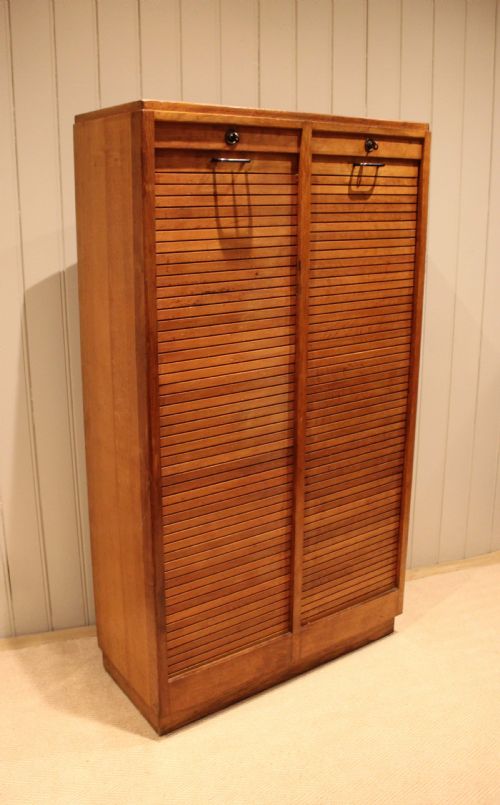
The material focus centres firmly on oak, often paired with chestnut, fruit wood or walnut, accessorised by brass, iron and steel hardware. Regional variations display distinctive characteristics, from Breton folk art carvings to French Provincial simplicity and Gothic Revival details. You also find specialised pieces like tambour front filing cabinets and scrubbed commodes among the selection.
Assessing quality
Quality in these pieces is dictated by the integrity of the timber selection, the depth and crispness of hand carving, and the proportion of the structure. Early seventeenth and eighteenth century examples demonstrate superior joinery and regional stylistic purity compared to later mass produced variations.
The sophistication of the hardware and the retention of original interior shelving or tambour mechanisms also distinguish finer workshop productions from utilitarian rural items.
Listings span from the seventeenth century through to the 1940s, featuring oak alongside marble, brass, iron and chestnut across diverse regional styles.
Charles Dudouyt
The French Oak Storage Cabinet Glossary
- Armoire
- A tall freestanding cupboard with doors enclosing shelving or hanging space. Originally utilised for storing garments and household textiles in French homes.
- Buffet de Corps
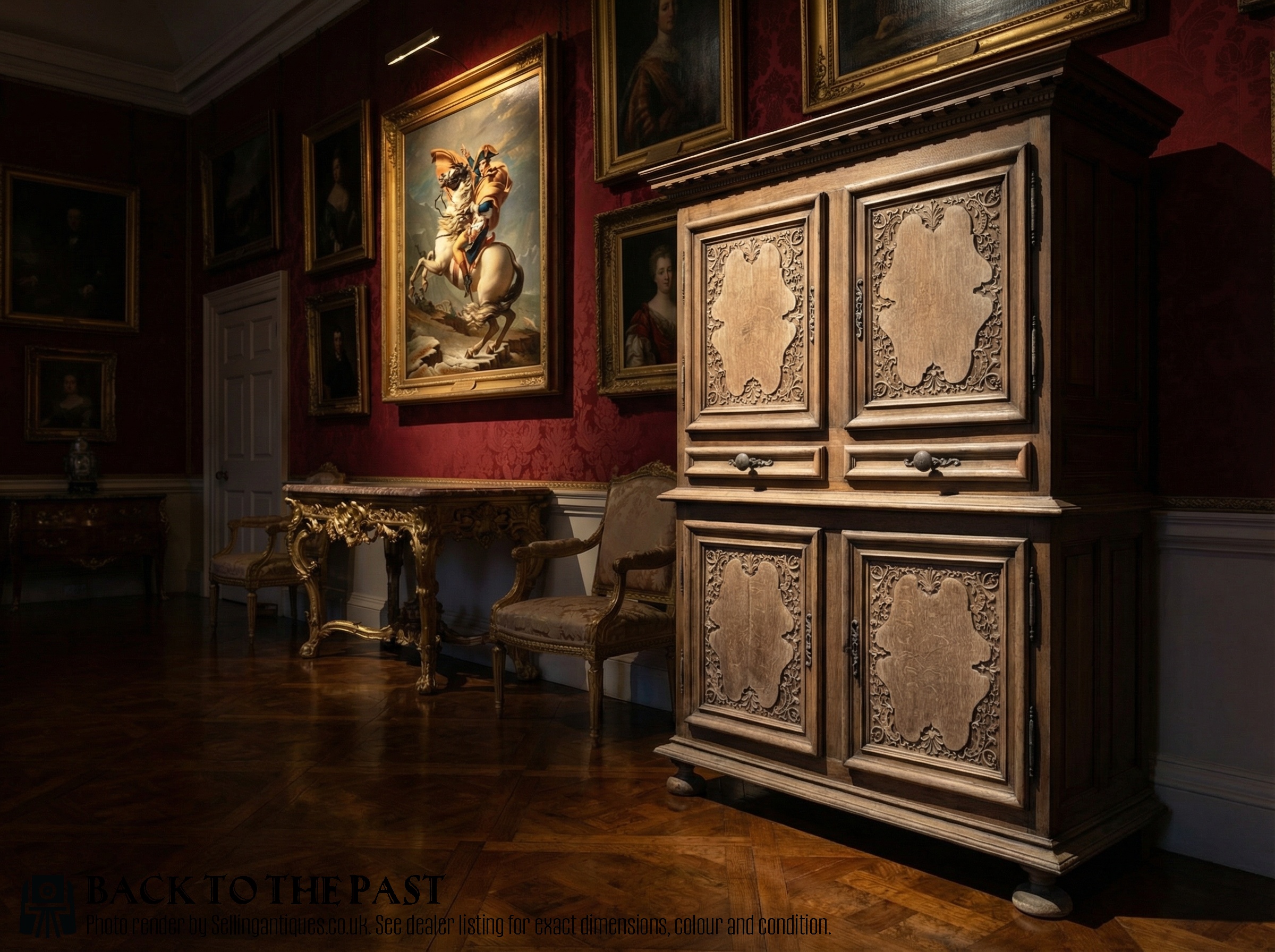
- A large two-part cabinet featuring a smaller upper cupboard set back upon a deeper sideboard base. These monumental pieces served major storage functions in large kitchens and dining halls.
- Enfilade
- A long low sideboard or buffet featuring a continuous run of doors and drawers across the front. This form developed for formal dining rooms to serve food and store tableware.
- Tambour
- A flexible shutter formed of narrow vertical wooden strips glued to a canvas backing. This mechanism allows sliding doors to curve smoothly around cabinet corners.
- Lit-clos
- A traditional enclosed box bed from Brittany whose closed wooden front can later be repurposed into a cabinet. This construction preserves regional folk history within domestic furniture.
French Oak Storage Cabinet: Frequently Asked Questions
What rooms suit a french oak storage cabinet?
These cabinets suit kitchens, dining rooms and hallways where substantial storage is required for tableware, linens or provisions. Their deep timbers and warm tones anchor large spaces effectively.
Smaller variants like bedside cabinets fit comfortably into bedrooms, while narrow cupboards utilise awkward corners in tighter residential layouts.
How do I date an 18th century oak cupboard?
Dating relies on examining the joinery marks, hand tool signatures on the timber, and the style of provincial carving present on the panels. Seventeenth and eighteenth century pieces display irregular pegged joints and adze marks from manual preparation.
Later nineteenth and twentieth century pieces show more uniform machine-sawn timber elements and standardised hardware fittings.
What is the difference between an armoire and a larder cupboard?
An armoire is traditionally designed with internal depth intended for hanging garments or storing folded textiles within bedchambers. Their doors often feature full-length panels and formal regional carvings.
A larder or pantry cupboard is structured specifically with multiple internal shelves for food storage, occasionally featuring pierced or screened panels for ventilation.
How do I care for antique bleached oak?
Bleached oak surfaces require gentle dusting with a dry or slightly damp cloth to prevent accumulation of grit within the grain. Avoid harsh chemical cleaners that strip the dry-finish aesthetic.
Applying occasional natural wax helps nourish the wood pores without creating an artificial gloss that alters the historic patina.