
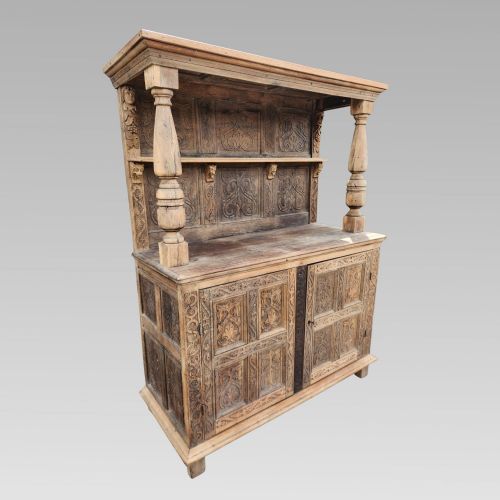


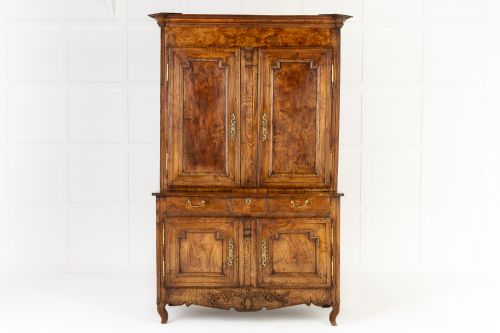


Antique French Kitchen Cupboard
An antique french kitchen cupboard brings utilitarian storage and regional character into a modern interior.
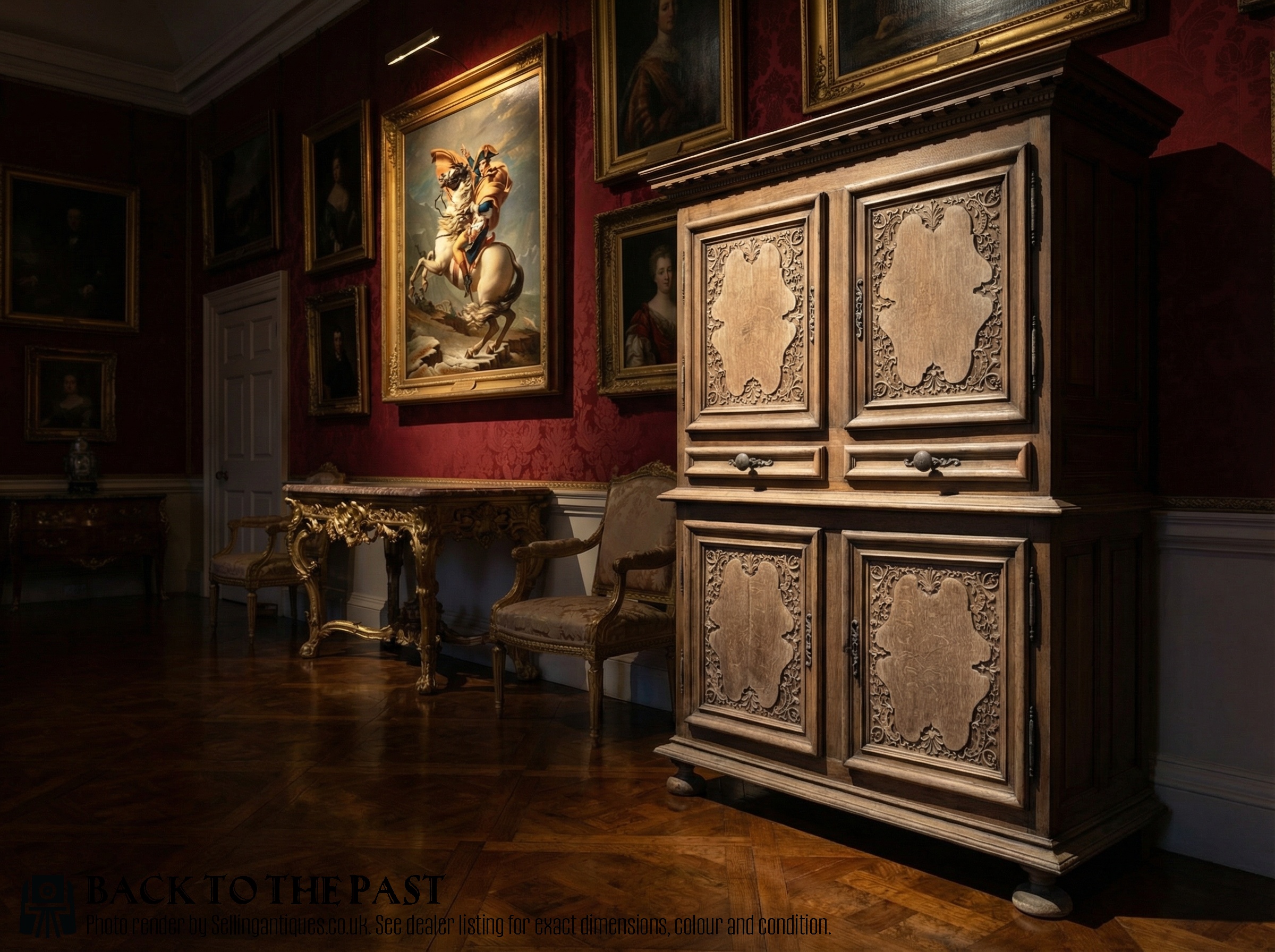
Antique French Kitchen Cupboard
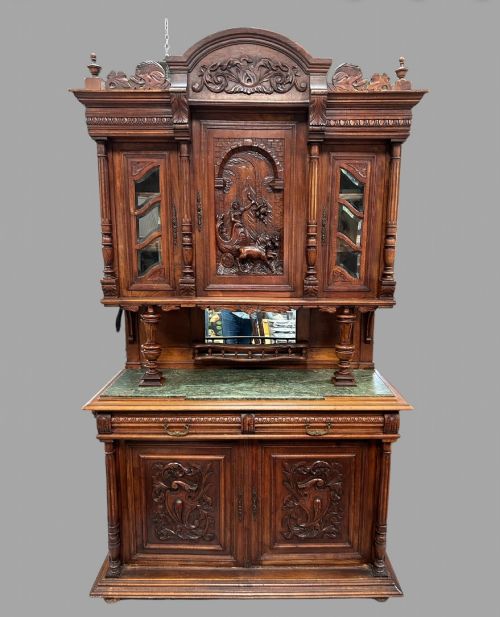
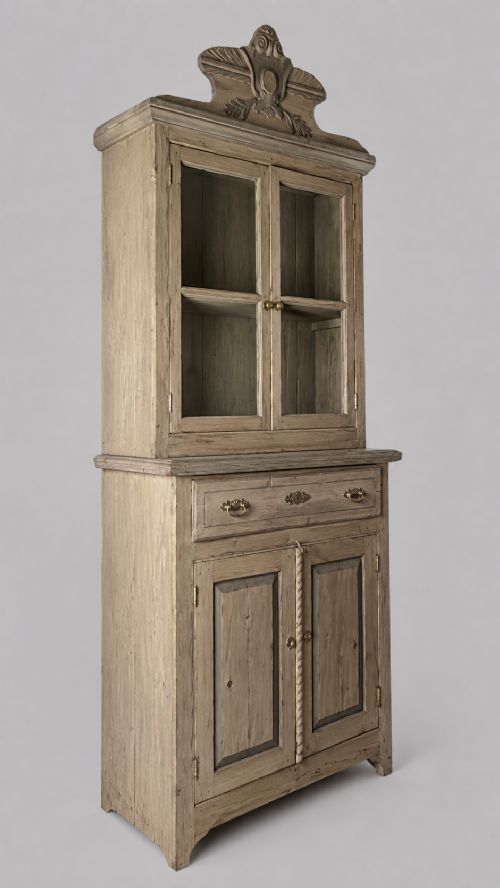
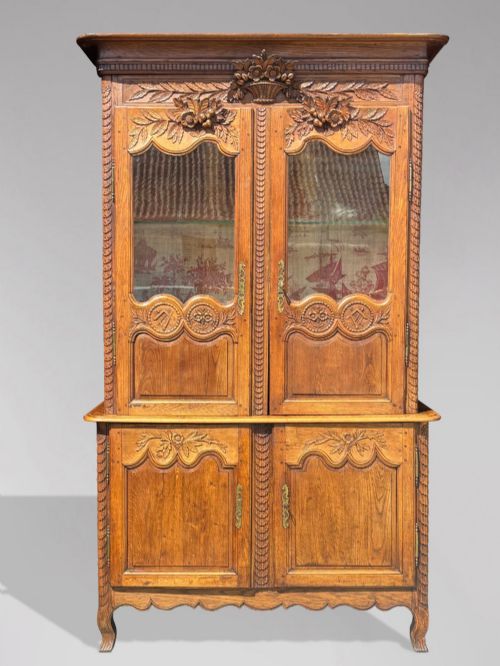
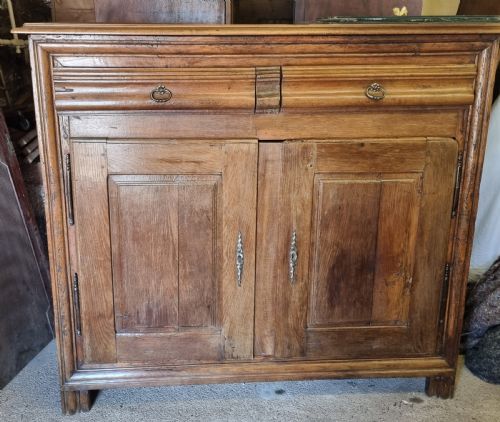
When searching for an antique french kitchen cupboard, one encounters diverse forms designed for domestic storage in rural households, including buffet deux corps, confituriers, and glazed dressers.
The pieces appearing on this page span the eighteenth and nineteenth centuries, reflecting regional provincial traditions in materials like oak, pine, and walnut.
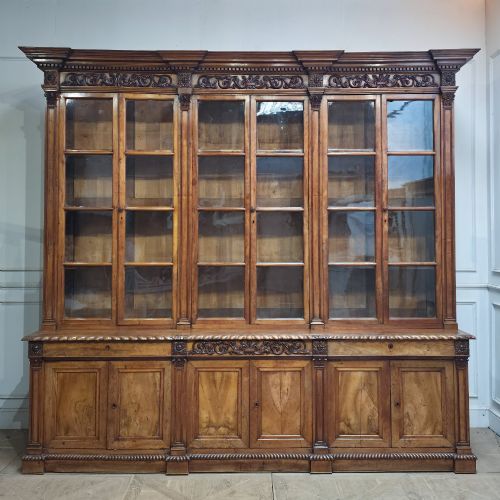
Buyers most frequently meet nineteenth-century pine, oak, and chestnut examples, alongside monumental eighteenth-century walnut and ash storage pieces originating from French provinces.
Materials and Construction
Cabinet makers utilised regional hardwoods such as oak, walnut, chestnut, and fruitwood alongside softer timbers like pine, often joined with traditional pegged construction methods.
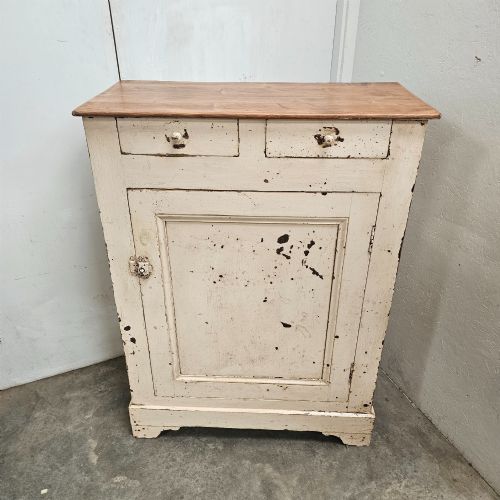
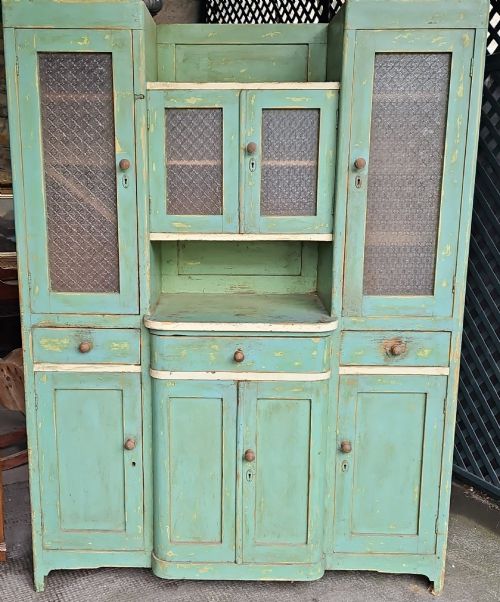
Surface finishes range from natural waxed timbers displaying the grain to painted wood, distressed metal, and original paint, complemented by brass and iron hardware.
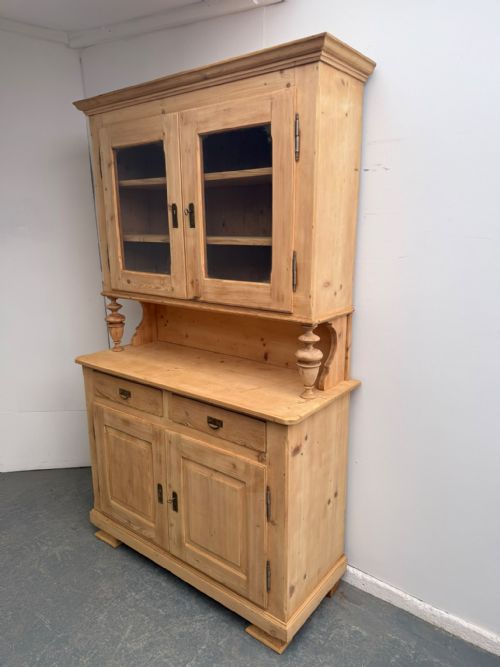
Glazed doors, carved panels, and inlaid fruitwood distinguish the construction of taller display cabinets and two-part dressers from simpler larder and jam cupboards.
Listings feature eighteenth and nineteenth-century periods, utilising oak, pine, walnut, chestnut, and fruitwood across regional provincial styles.
Distinctions in Quality
Quality rests upon the integrity of the timber selection, whether the dense grain of eighteenth-century oak and ash or the honest utility of pitch pine.
The refinement of carved detailing and the presence of original painted surfaces or patinated hardware separate provincial pieces of high character from standard utility items.
The Antique French Kitchen Cupboard Glossary
- Buffet deux corps
- A large two-part cupboard featuring a lower cabinet section surmounted by a smaller upper cabinet. This architectural form provided substantial storage for household provisions.
- Confiturier
- A smaller jam cupboard traditionally used to store preserves and kitchen items. These compact pieces typically feature a single door above a small drawer.
- Panetiere
- A traditional bread safe characterised by ventilated spindle panels designed to keep loaves fresh and away from pests. They represent specialised French provincial craftsmanship.
- Vaisseleire
- An open-shelved dresser or plate rack designed for displaying crockery in the kitchen. They often sit atop a closed lower buffet base.
Antique French Kitchen Cupboard: Frequently Asked Questions
How do I date an old cupboard?
Dating relies on examining construction techniques, timber species, and hardware style. Eighteenth-century pieces often feature hand-pegged joinery and native oak or ash.
Later nineteenth-century examples introduce machine-sawn elements and softer woods like pine, alongside painted or glazed finishes.
What is a buffet deux corps?
A buffet deux corps is a substantial two-section storage unit comprising a heavy lower base cabinet and a matching upper cupboard. These architectural pieces dominated provincial dining rooms and kitchens.
They provided secure storage for household linens, tableware, and dry provisions.
How were these cupboards used?
These pieces served as the primary storage units for food, dishware, and kitchen utensils in rural households. Larder cupboards and jam preserves kept food secure.
Larger dressers displayed serving platters while concealing everyday culinary equipment behind panelled doors.
Are painted finishes original?
Some pieces retain original painted surfaces showing historic wear and patination accumulated over centuries. Other items received later decorative paint layers or stripped finishes during the Victorian era and beyond.
Examining the paint adherence and underlying timber helps determine the surface history.