


French Oak Side Cupboard
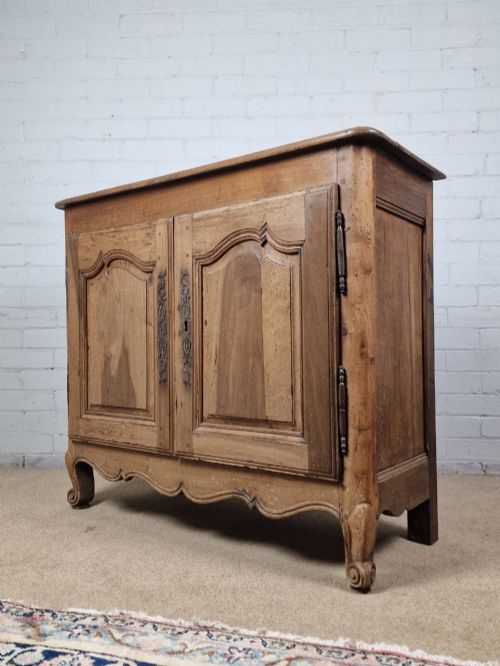
A french oak side cupboard brings solid timber utility and provincial character to a room, spanning compact bedside units to grander halls.
French Oak Side Cupboard
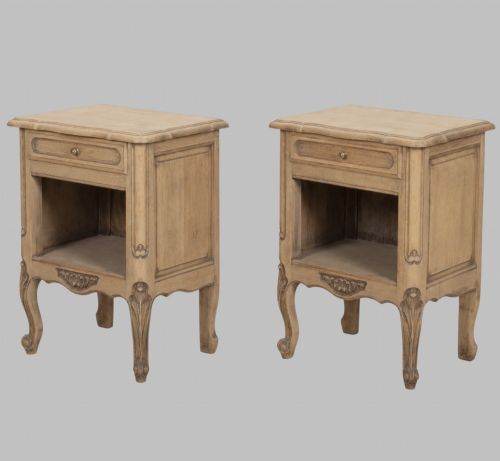
When you search for a french oak side cupboard, you encounter a remarkably varied selection of storage furniture ranging from small bedside units to larger buffets and sideboards. The majority of pieces appearing on this page take the form of bedside cabinets and pot cupboards, frequently found in pairs.
The historical span represented in these listings stretches from early sixteenth-century flamboyant gothic examples up through seventeenth, eighteenth, and nineteenth-century provincial interpretations, into early twentieth-century art deco and bleached finishes. Origins trace across French regional traditions, including northern workshops and chateau contexts, utilising sturdy timbers like chestnut alongside the primary oak.
Beyond the standard bedside formats, the evidence records specialised regional forms such as panetieres, bread safes, and sacristy cupboards. Whether you require a single night table with a marble top or a carved Renaissance revival hall cupboard, the selection demonstrates the enduring versatility of French case furniture.
What varies in quality
The distinction between standard utility items and finer examples rests in the depth and execution of hand-carved ornamentation, such as Gothic tracery or Renaissance revival motifs. Pieces exhibiting crisp, purposeful chisel work and well-integrated structural hardware command greater attention from collectors than plain commercial variants.
The integrity of secondary materials, particularly fitted marble slabs and original metal fittings like brass hinges and wrought iron latches, significantly shapes the overall character of a cabinet. Uniform bleaching, harmonious timber pairing, and balanced proportions further separate superior regional pieces from simpler workshop output.
The documented pieces span multiple periods, ranging from sixteenth-century flamboyant gothic and Georgian eras through nineteenth-century revivals to early twentieth-century art deco.
The French Oak Side Cupboard Glossary
- Panetiere
- A traditional French ventilated bread safe, often featuring turned spindles or intricate woodwork designed to keep loaves fresh. These decorative cupboards typically sat on low tables or hung on walls in provincial kitchens.
- Pot cupboard
- A compact bedside cabinet historically designed to house a chamber pot behind a single door and above a small drawer. They are commonly topped with marble to provide a hygienic surface for jugs and washbasins.
- Bleached oak
- Timber treated to lighten its natural tone, a finish frequently applied to French furniture to create a softer, more neutral aesthetic. This treatment highlights the grain while removing the darker patination associated with earlier centuries.
- Renaissance revival
- A nineteenth-century decorative movement that drew inspiration from sixteenth-century architectural forms and motifs. Pieces in this style display heavy carvings, symmetrical paneling, and classical architectural details.
- Flamboyant gothic
- A late medieval architectural and decorative style characterised by flame-like tracery curves and elaborate pointed arches. In woodwork, this translates to deeply carved panels and intricate openwork grilles.
French Oak Side Cupboard: Frequently Asked Questions
What is a pot cupboard?
A pot cupboard is a small bedside cabinet originally constructed to store a chamber pot behind a closed door. These practical units typically feature a compact footprint and a single drawer above the main storage compartment.
In modern interiors, they function perfectly as bedside tables or small lamp stands. Their enclosed storage makes them useful for concealing clutter next to a bed or in a tight hallway space.
Are marble tops original?
Marble tops on French bedside cabinets and sideboards are frequently original to the piece, providing a durable and water-resistant surface for washing equipment and lamps. Carrara and other regional marbles were widely utilised by cabinet-makers during the nineteenth and early twentieth centuries.
When evaluating a piece, examine the fit of the stone against the wooden frame to ensure it matches the period construction. Original marble slabs often display natural veining and minor signs of age consistent with the timber base.
How do I clean bleached oak?
Bleached oak surfaces require gentle maintenance to preserve the light, dry finish achieved during the treatment process. Dust regularly with a soft, dry cloth and avoid heavy modern polishes that can discolour the porous grain.
For stubborn marks, use a slightly damp cloth with mild soap, drying the timber immediately afterwards. Protecting the surface from direct heat and moisture will maintain the integrity of the bleached finish over time.
What is the difference between a buffet and a side cabinet?
A buffet is traditionally a larger dining room piece designed for serving food and storing tableware, often combining cupboards with drawer space. Side cabinets generally offer a more compact profile intended for general hallway or bedroom storage.
While both share robust oak construction, buffets often incorporate more elaborate carving and greater width. Side cabinets, conversely, focus on vertical utility and smaller footprints suited to tighter spaces.