





French Oak Kitchen Cabinet
A french oak kitchen cabinet brings rustic warmth and substantial storage to a room, rooted in centuries of provincial craftsmanship.
French Oak Kitchen Cabinet
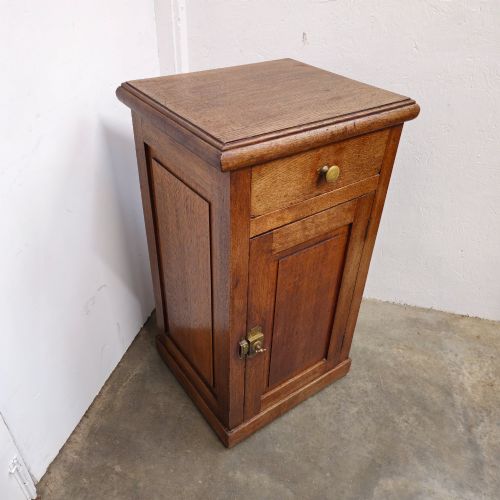
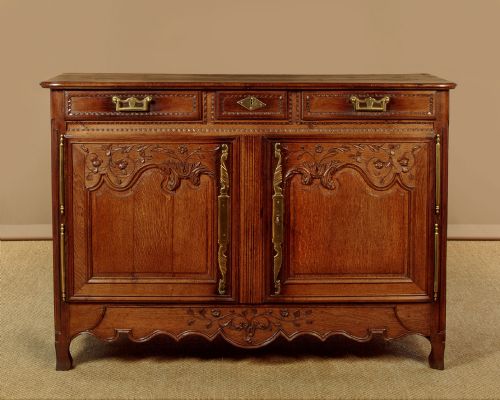
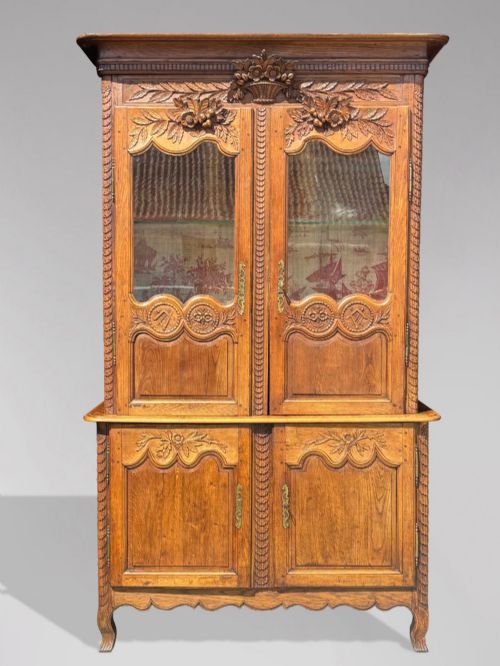
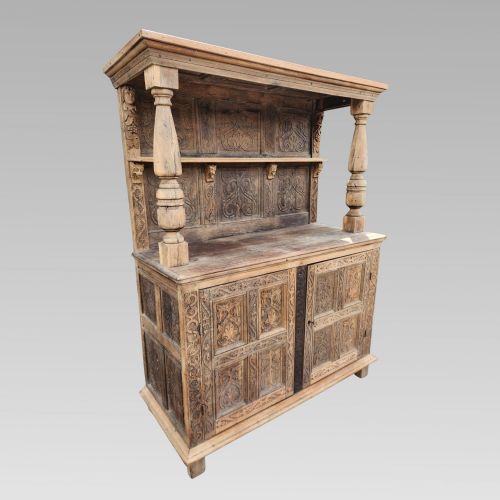
When you search for a french oak kitchen cabinet, you encounter sturdy storage furniture built for rural European homes from the eighteenth century onwards. The selection spans robust sideboards, monumental buffet deux corps, and modest cupboards designed for food storage and daily utility.
You are most likely to meet nineteenth-century provincial interpretations alongside eighteenth-century regional pieces on this page. Forms range from low sacristy cabinets and rustic dressers to panetiere bread safes, constructed primarily in solid oak with occasional walnut variations.
Regional styles dominate the offerings, showing French provincial, Louis XV, and Louis XVI influences. These pieces served practical domestic roles in kitchens and dining spaces, evolving from utilitarian food stores into focal points for modern interiors.
How they were made
Cabinetmakers built these items using solid oak timbers, employing traditional panelled construction to accommodate the natural movement of the wood over time. Iron and brass hardware, including hinges, latches, and escutcheons, secured the heavy doors and drawers.
Surface details often include hand carving on panels and cornices, reflecting regional woodworking traditions rather than uniform factory output. Secondary materials such as glass, marble, and chestnut appear in specific forms like dressers and specialised cupboards.
French Oak Kitchen Cabinet Retail Price Guide 2026
Typical asking prices for french oak kitchen cabinet among the pieces listed under this phrase on Sellingantiques today, from the lower quarter to the upper quarter. They describe what is for sale here now, not the wider market.
Panetiere bread safes were status symbols in Provence, where bakers and households displayed their finest loaves behind delicate wooden spindles.
What varies in quality
Quality rests upon the integrity of the timber and the depth of the regional carving. Pieces fashioned from thick, quarter-sawn oak with original brass or iron hardware sit at the upper end of the scale.
Proportion and structural survival define the difference between everyday utility items and finer provincial works. The crispness of hand-carved panels and the retention of original surface patination distinguish superior examples from heavily altered pieces.
The French Oak Kitchen Cabinet Glossary
- Buffet deux corps
- A tall two-part cupboard featuring a smaller upper cabinet set upon a deeper base. This form provided extensive storage for household provisions and tableware in provincial homes.
- Panetiere
- A specialised wall-mounted or freestanding bread safe characterised by spindled or balustraded ventilation panels. These enclosures kept loaves safe from rodents while allowing air circulation.
- Buffet vaissellier
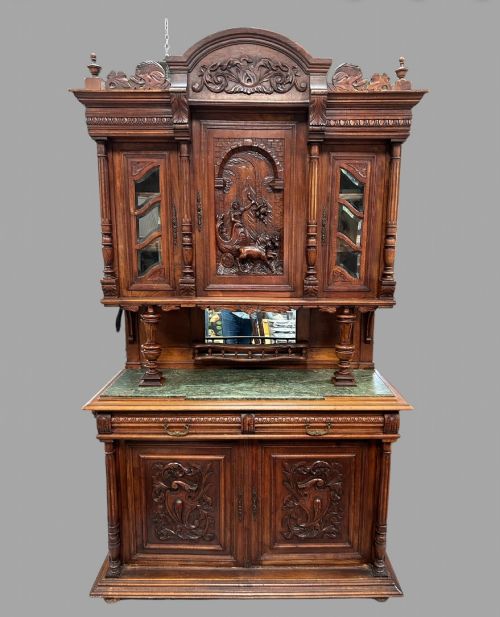
- A combination sideboard and plate rack designed for displaying and storing ceramic dishes. The open upper shelving distinguishes this form from enclosed cupboards.
- Sacristy cabinet
- A low storage unit originally housed in religious vestries for vestments and vessels, later adapted for domestic kitchen or hallway use. Their modest height suits modern ceiling clearances.
- French Provincial
- A style reflecting furniture made in the French regions outside Paris during the seventeenth and eighteenth centuries. These designs adapt court fashions into simpler, sturdier local interpretations.
French Oak Kitchen Cabinet: Frequently Asked Questions
What is a buffet deux corps?
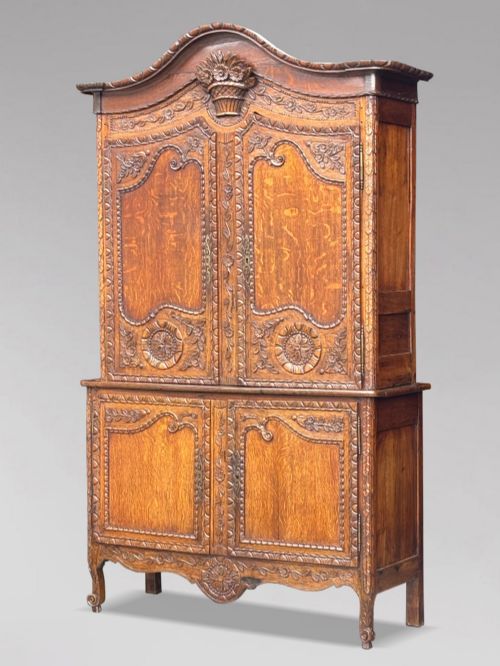
A buffet deux corps is a large two-tier storage cabinet split into a lower sideboard section and an upper upper cupboard. These monumental pieces formed the primary storage furniture in traditional rural kitchens.
Cabinetmakers built them to hold heavy tableware, linens, and food provisions, using substantial oak timbers to support the towering structure.
How do I use a panetiere?
A panetiere functions as a traditional bread safe, designed with ventilated spindle sides to keep baked goods fresh and away from pests. In a modern kitchen, it serves well as a wall-mounted display cabinet or countertop storage for dry goods.
The open wooden slats provide natural air circulation, which was essential for preserving bread before modern wrapping materials existed.
How do I date an oak cabinet?
Dating relies on examining construction marks, timber selection, and hardware styles such as hand-forged iron hinges and brass escutcheons. Eighteenth-century pieces typically show pegged mortise and tenon joinery and hand-planed panel surfaces.
Later nineteenth-century examples often incorporate machine-sawn elements and standardised fixings while maintaining traditional regional silhouettes.
Are these cabinets suitable for modern kitchens?
These cabinets offer deep shelving and robust construction that accommodates contemporary kitchen storage needs. Their substantial wooden surfaces introduce historic character and tactile warmth to modern architectural spaces.
Placement requires measuring ceiling heights and floor space carefully, particularly for taller buffet designs and multi-part cupboards.