

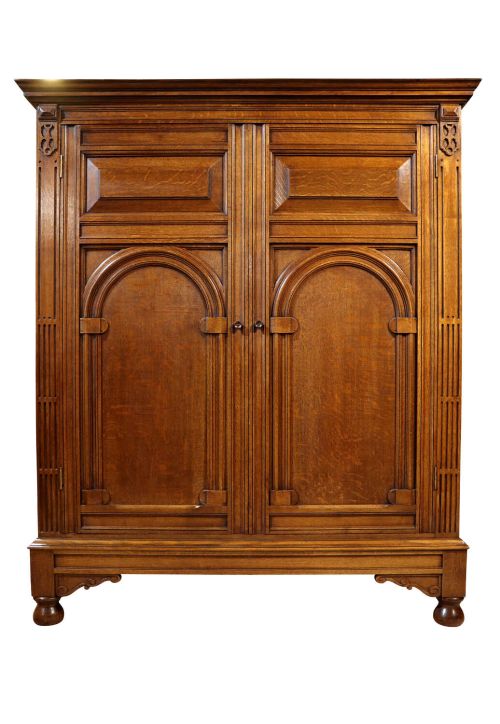
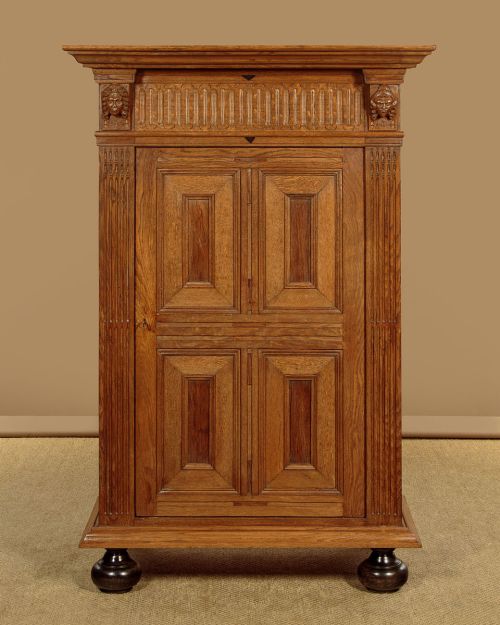
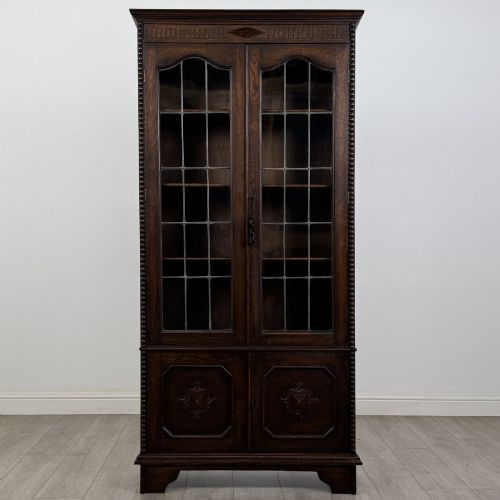
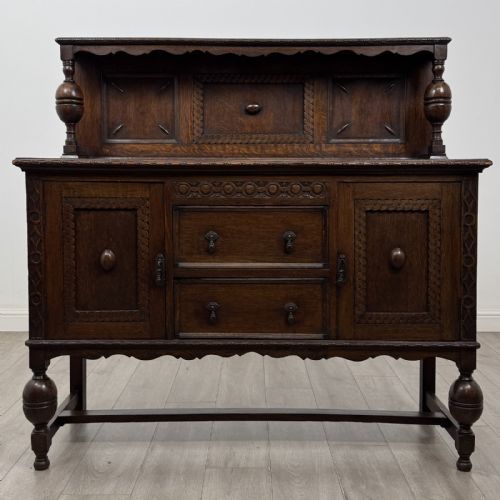
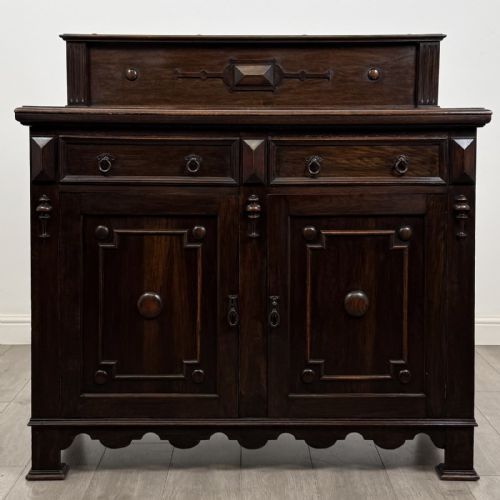
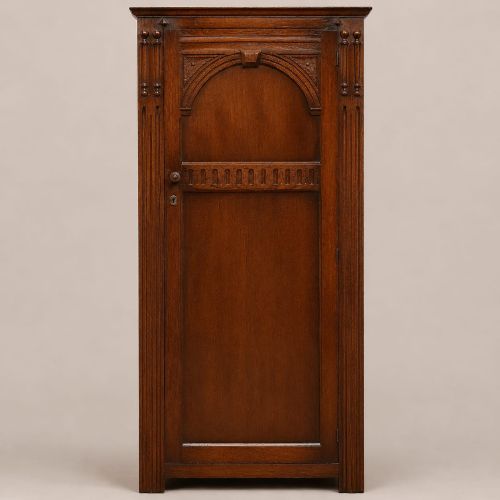
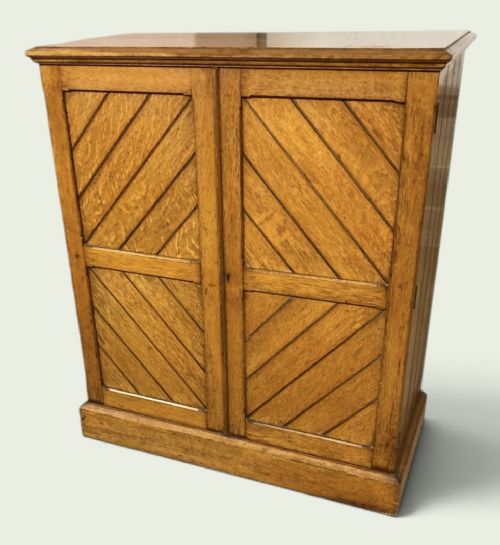
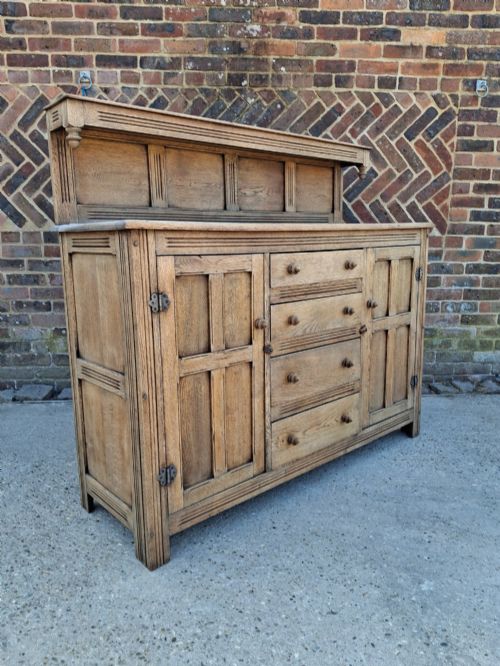
Vintage Panelled Oak Cupboard
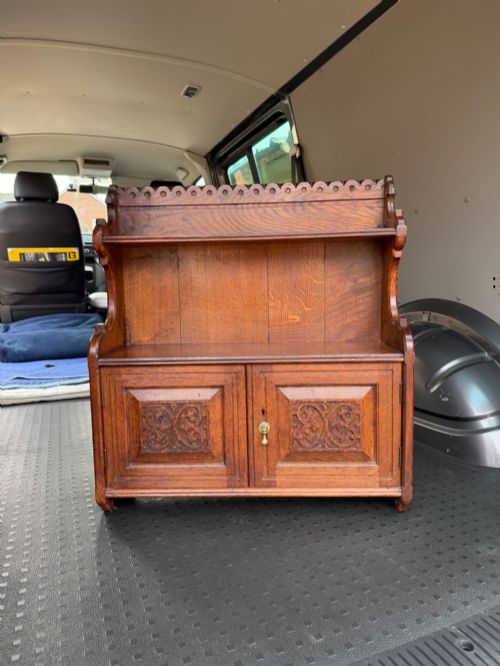
A vintage panelled oak cupboard brings tangible utility and traditional grain to a room, ranging from compact hanging spaces to expansive dressers.
Vintage Panelled Oak Cupboard
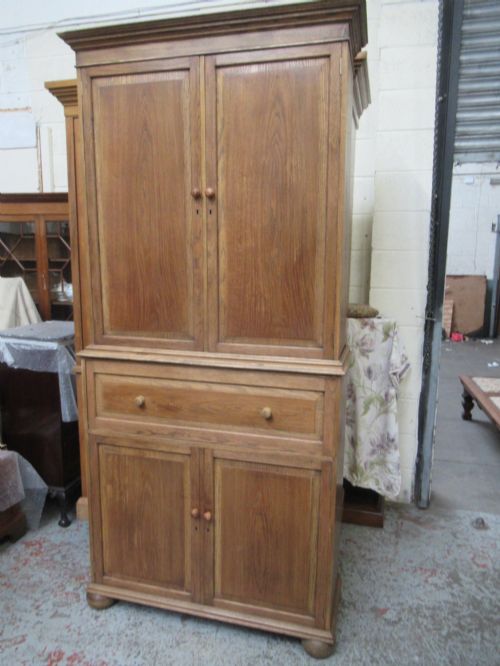
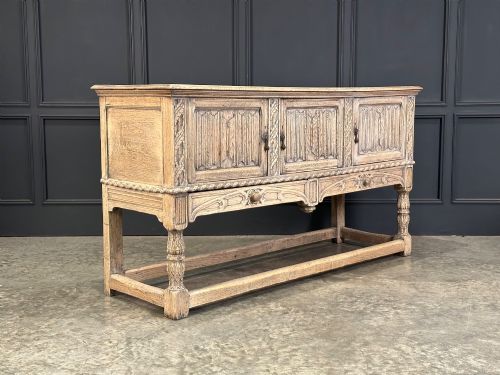
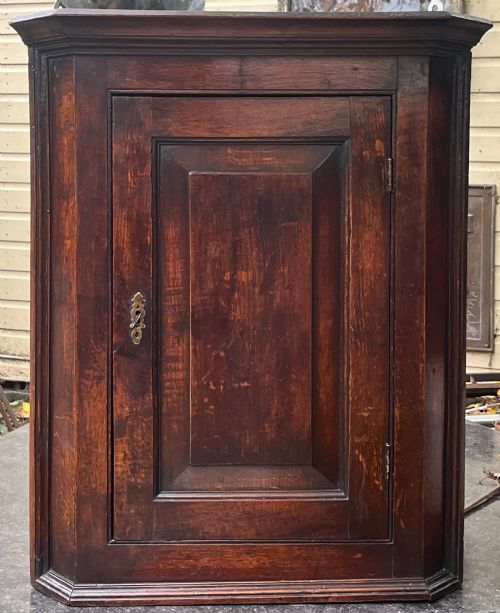
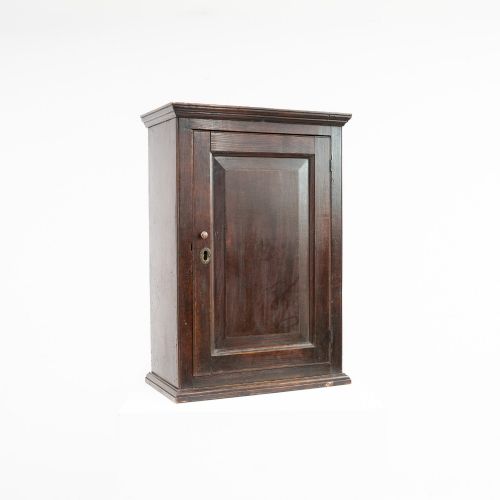
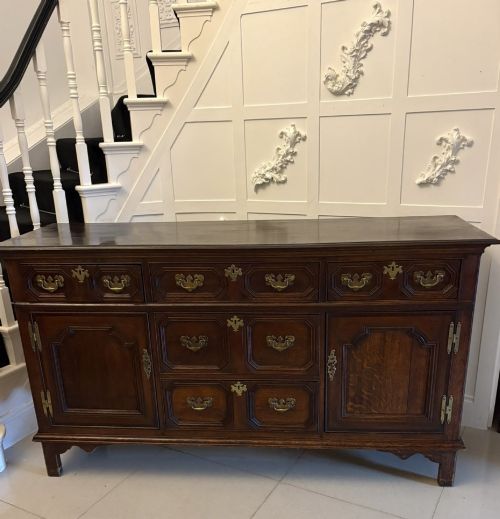
A vintage panelled oak cupboard spans several centuries of domestic storage, drawing on periods from the eighteenth century through to the early decades of the twentieth. You will encounter forms as varied as corner cupboards, hanging wall units, compactum wardrobes, and sturdy dresser bases.
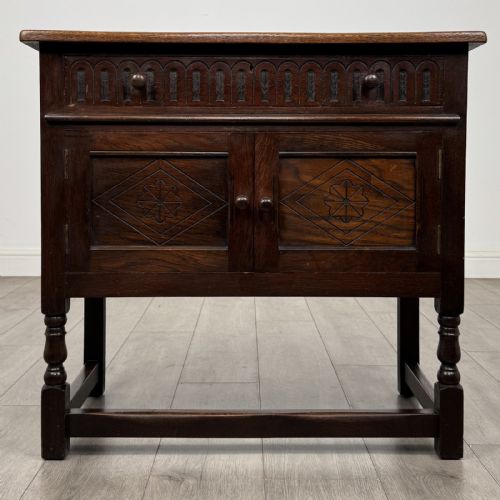
The aesthetic leans heavily towards traditional English and regional country styles, including Jacobean revival, Arts and Crafts, and Edwardian interpretations. Pieces often display geometric mouldings, carved pillar panels, or simple recessed framing suited to domestic storage.
Origin and age shape the character of each piece significantly, with French provincial examples alongside English country furniture. Whether housing provisions in a kitchen or linen in a hallway, these cabinets remain practical focal points.
Construction and materials
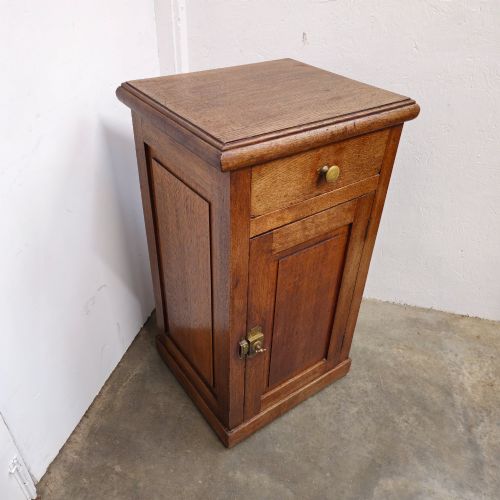
Solid oak serves as the primary structural material, frequently paired with secondary timbers like pine in internal carcases and drawer linings. Wrought iron, brass hinges, and metal knobs provide the functional hardware that secures doors and supports opening mechanisms.
Cabinet makers utilised traditional joinery techniques such as mortise and tenon frames to hold heavy timber panels in place without warping. Surface finishes range from natural wax and bleached treatments to historic scumble paintwork applied over timber.
Vintage Panelled Oak Cupboard Retail Price Guide 2026
Typical asking prices for vintage panelled oak cupboard among the pieces listed under this phrase on Sellingantiques today, from the lower quarter to the upper quarter. They describe what is for sale here now, not the wider market.
An inquisitive pair of oak doors carries the lingering whisper of an anonymous mouse.
Judging standard and execution
The grade of timber selection and the crispness of hand-carved geometric panels or barley twist supports set finer examples apart from utilitarian workshop output. Heavier architectural moulding and substantial brass or iron hardware indicate a higher tier of production.
Proportion and structural integrity dictate the long-term desirability of a cabinet, particularly where large doors or fitted drawers must align correctly within solid frames. Original surface treatments and untouched patination carry more weight than heavily restored finishes.
Heals Of London·Mouseman
The Vintage Panelled Oak Cupboard Glossary
- Compactum wardrobe
- A multi-compartment wardrobe featuring a central hanging space flanked by linen drawers and smaller shelving sections.
- Scumble paintwork
- A translucent glaze applied over a base coat to imitate the appearance of finer timber grain on cheaper wood.
- Dresser base
- A low sideboard or cabinet with surface top space, often fitted with drawers above lower panelled cupboards.
- Livery cupboard
- A traditional enclosed cabinet historically used for storing food and candles, ventilation being common in older iterations.
- Buttery hutch
- A sturdy storage unit traditionally utilised for provisions and tableware within domestic service spaces.
Vintage Panelled Oak Cupboard: Frequently Asked Questions
How do I date an oak cupboard?
Dating relies on examining construction methods, hardware types, and stylistic indicators such as Jacobean geometric panels or Edwardian proportions.
Secondary woods, nail types, and tool marks hidden inside drawers or backing boards further clarify the period of manufacture.
Can I use a corner cupboard in a modern room?
Corner cupboards fit neatly into unused angles, offering display shelving or enclosed storage without dominating floor space.
Their traditional oak finish contrasts well against plain plastered walls while housing books or glassware.
Are these cupboards heavy?
Solid oak construction makes these pieces remarkably heavy and sturdy, requiring two people for safe transport and positioning.
Internal shelves and hanging sections are often fixed firmly within the main frame.
What is the difference between a wardrobe and a compactum?
Standard wardrobes focus primarily on vertical hanging space for garments behind full-length panelled doors.
Compactums integrate smaller drawers and internal compartments alongside the main hanging section for versatile storage.