

French Neoclassical Marble Table
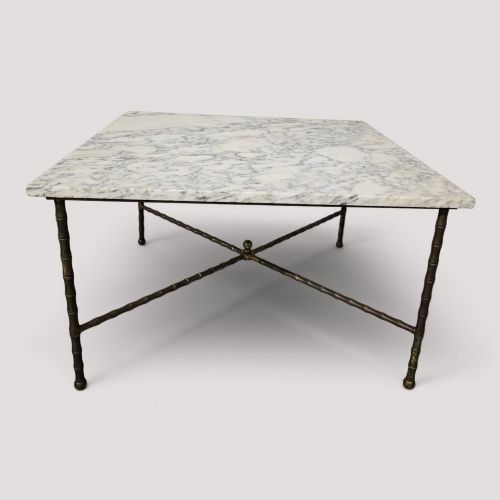
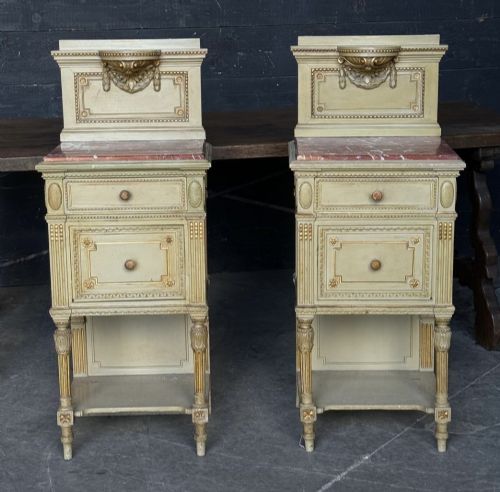
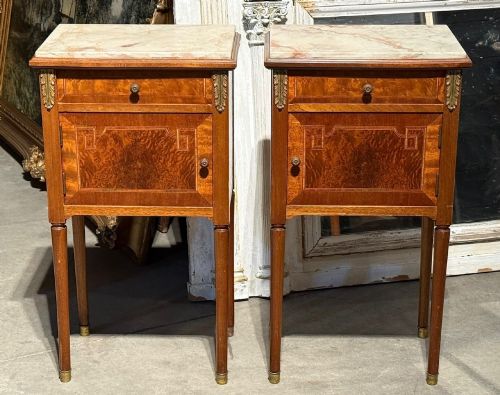
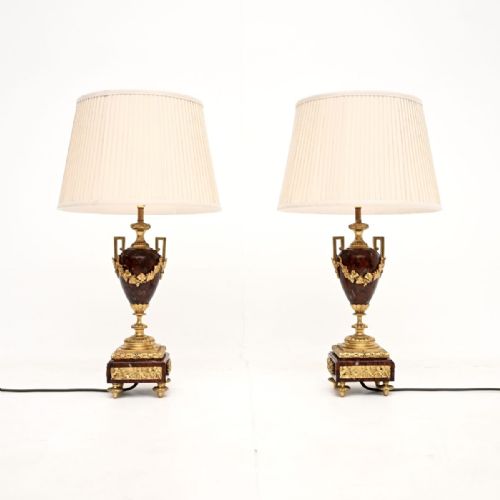
These pieces for a french neoclassical marble table bring together smooth stone surfaces and polished mounts from the nineteenth century and beyond.
French Neoclassical Marble Table
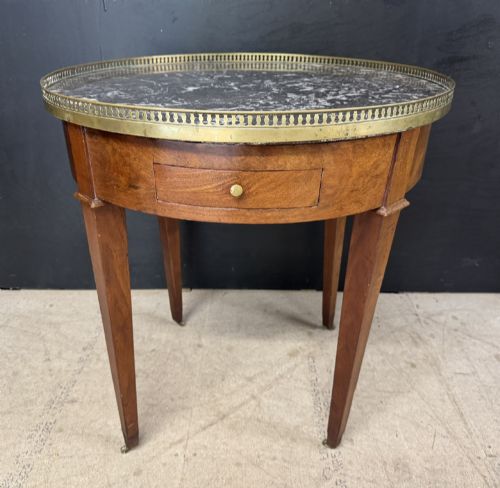
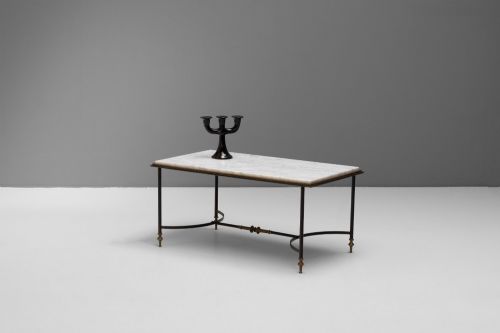
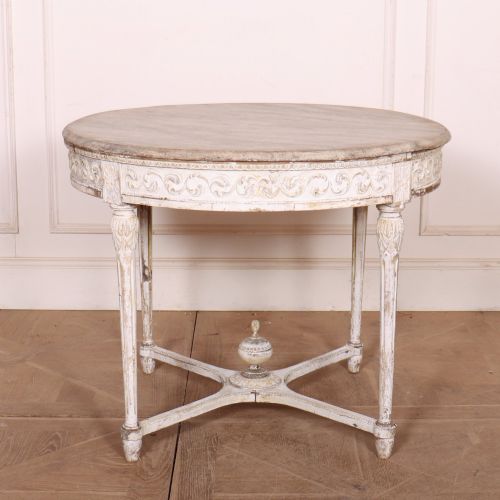
A french neoclassical marble table combines classical proportions with stone tops and metal mounts, appearing primarily in console, coffee, and occasional forms. These objects draw on eighteenth-century design vocabulary, emerging across the nineteenth and early twentieth centuries in revival styles.
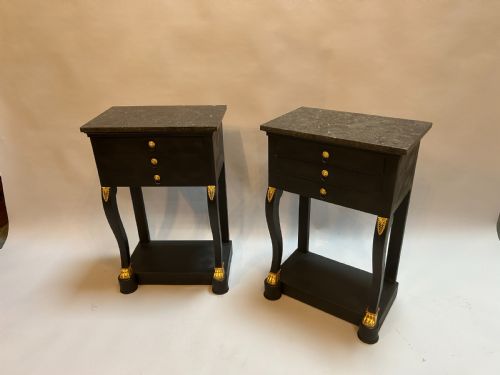
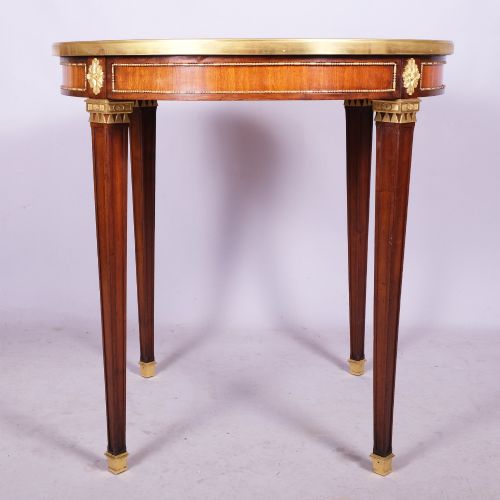
Buyers encounter console tables, side tables, and occasional pieces featuring inset marble slabs supported by wood or metal frames. The aesthetic leans heavily on Louis XVI style and French Empire influences, marked by restrained symmetry and architectural lines.
Materials and Construction
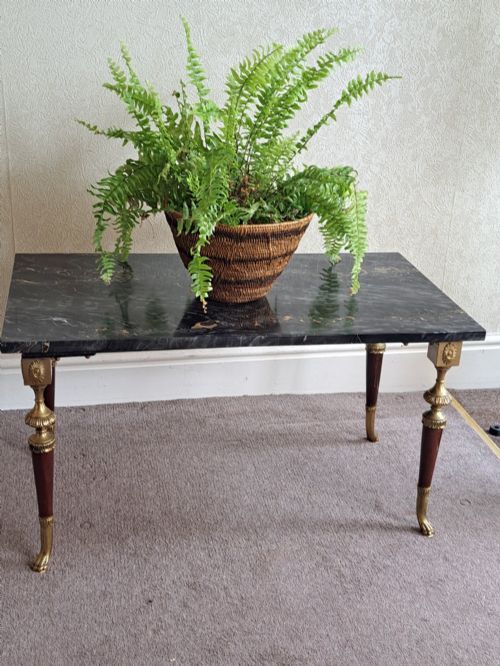
Maker workshops utilised natural marble for the top surfaces, paired with mahogany, rosewood, or giltwood for the primary frames. Metal elements in cast brass, gilt bronze, and ormolu provide structural mounts and decorative accents around the stone.
Construction relies on traditional joinery for the wooden chassis, while metal mounts are cast, chased, and secured to the stone and timber components. Enamel and fabric details occasionally appear on related pieces within the broader category.
Listings feature items from the 1800s through the 1930s, incorporating mahogany, rosewood, brass, and giltwood alongside marble.
Judging Quality and Execution
The refinement of the cast bronze or ormolu mounts distinguishes superior examples from simpler production, showing crisp chasing and deep gilding rather than soft edges. Natural marble slabs vary in figuring, thickness, and integration with the wooden frame below.
Proportion and the precision of the classical detailing determine the overall success of the piece, reflecting the skill of the cabinetmaker and metalworker. Heavier structural stability and carefully selected timber veneers further separate high-tier examples.
Charles à Orléans·Masion Ramsay·Berger Paris·Louis Goret·Sacre
The French Neoclassical Marble Table Glossary
- Ormolu
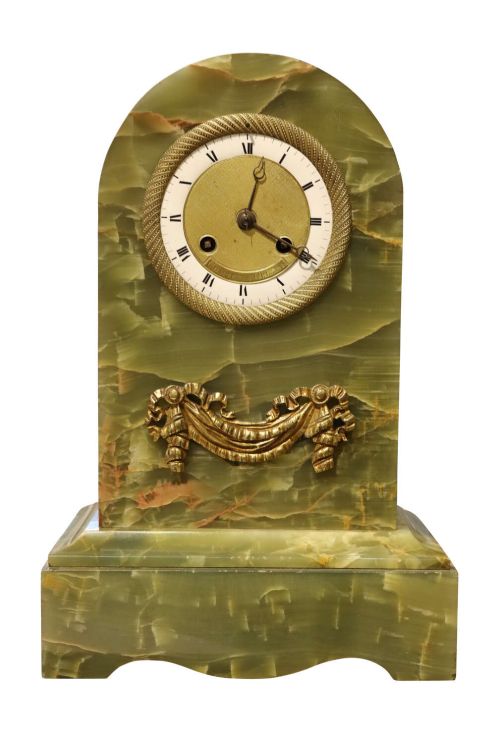
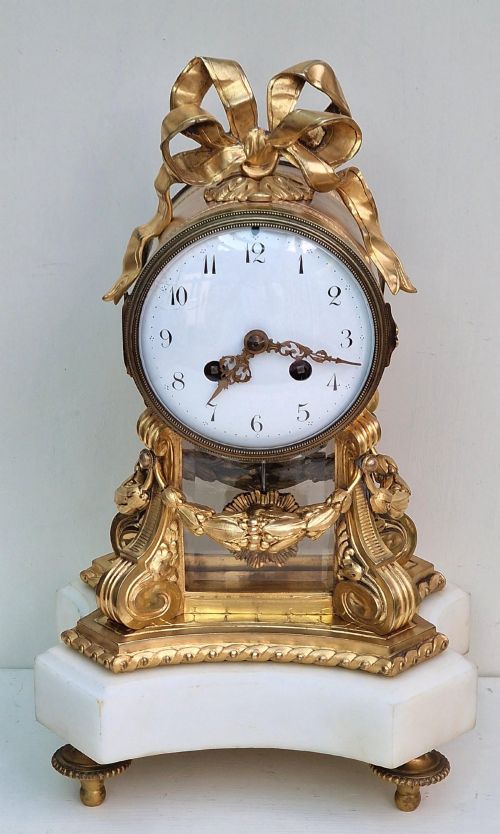
- Gilded bronze applied as a decorative mount to furniture and clocks. This technique involves coating bronze with a mercury and gold amalgam before heating.
- Guéridon
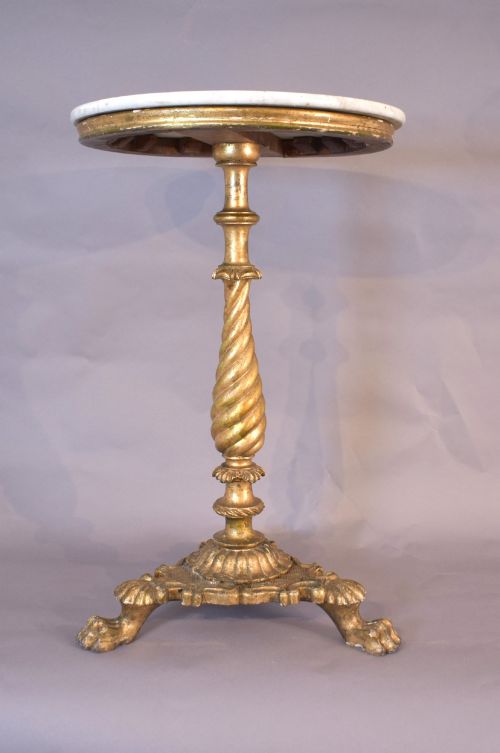
- A small circular table supported by a central column or tripod base. These forms frequently feature marble tops and brass mounts.
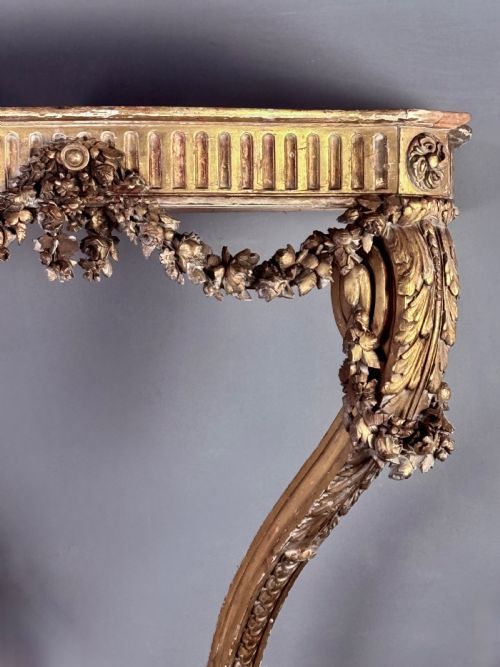
- Console table
- A table designed to stand against a wall, often secured with brackets. They commonly feature marble tops and elaborate neoclassical leg structures.
- Bouillotte table
- A small round card or occasional table with a raised gallery edge around the marble top. They traditionally incorporate candle arms or light fittings.
French Neoclassical Marble Table: Frequently Asked Questions
How do I clean the marble top?
Use a soft cloth dampened with warm water and mild soap, avoiding acidic cleaners that etch the stone surface.
Dry the marble thoroughly afterwards to maintain the polish and prevent water rings.
Where should I place a console table?
Console tables fit well in hallways, living rooms, or dining areas against flat wall spaces.
Their shallow depth allows them to serve as display surfaces without obstructing walkways.
How do I identify Louis XVI style?
Look for straight tapered legs, fluted columns, and symmetrical neoclassical motifs derived from classical antiquity.
Ornaments often include swags, ribbons, and acanthus leaves cast in brass or ormolu.
Are these tables sturdy enough for daily use?
Most examples utilise robust timber frames and heavy stone tops designed for regular domestic placement.
Care should be taken with heavy impacts on the corners of the marble slab.