



French Neoclassical End Table
A french neoclassical end table brings architectural proportion and restrained classical ornament to a room.
French Neoclassical End Table
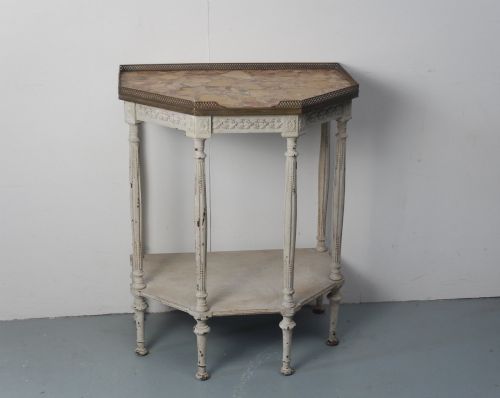
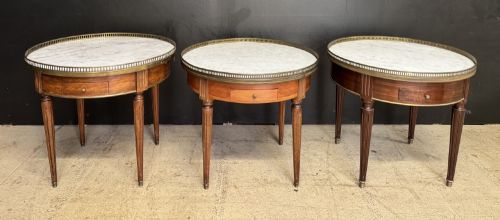
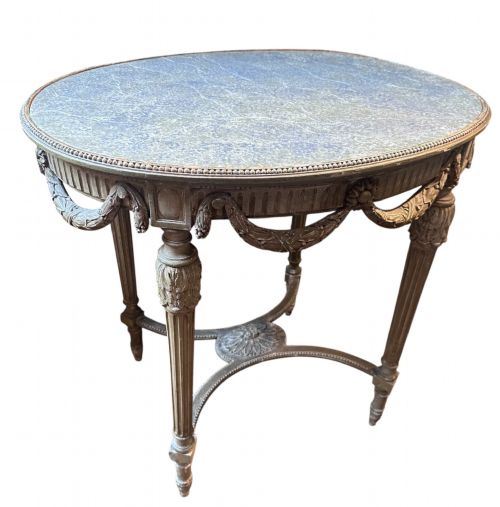
A french neoclassical end table combines classical proportions with restrained ornamentation, originating from revival periods spanning the nineteenth and twentieth centuries. These pieces function primarily as side tables, lamp tables, gueridons, and occasional tables positioned beside seating or beds.
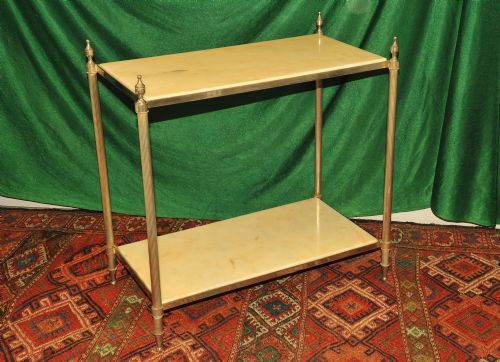
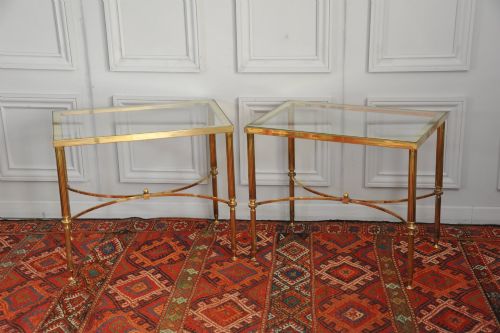
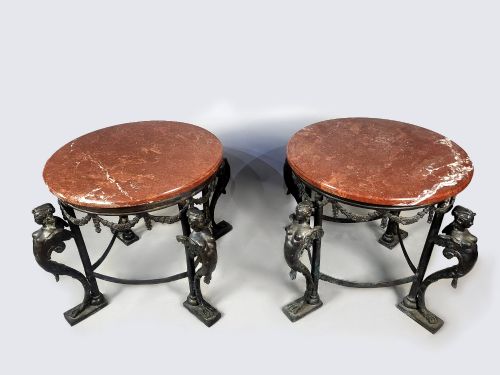
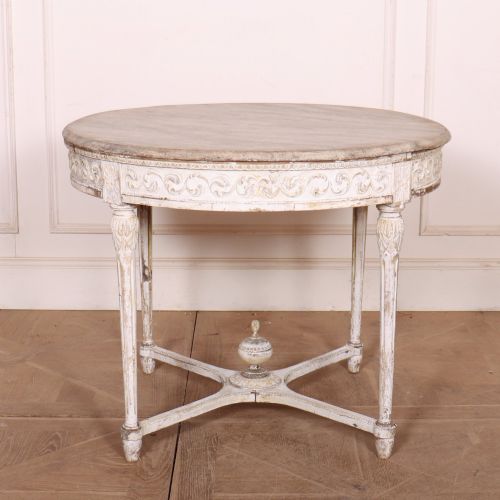
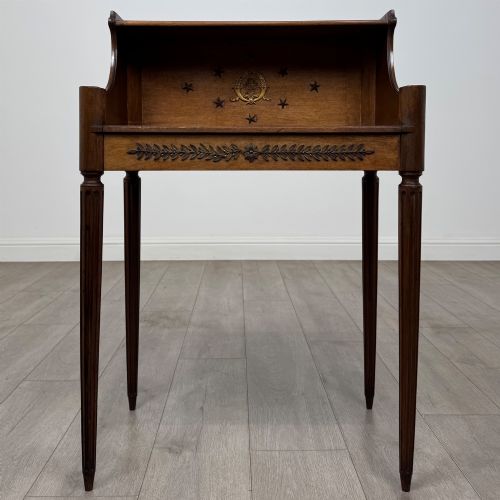
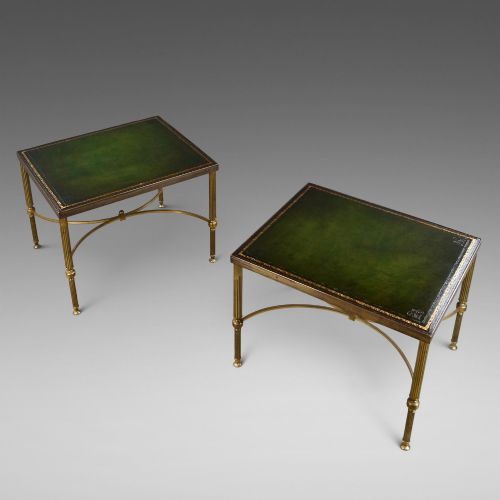
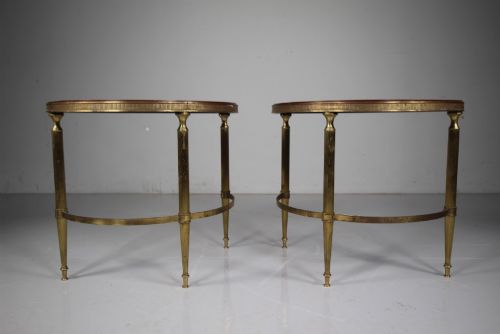
The versions most frequently met on this page date from the nineteenth century through to the nineteen thirties, encompassing Edwardian interpretations and later twentieth century revivals. Forms range from round marble-topped gueridons to demi-lune brass side tables and mahogany occasional pieces.
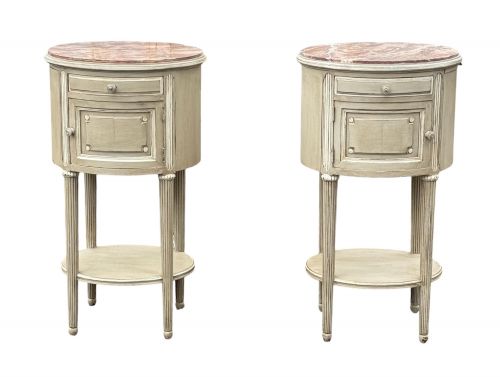
Makers and designers from history inspire many of these pieces, echoing Louis XVI style, Gustavian restraint, and French Empire forms. Buyers encounter both single tables and matched pairs finished in mahogany, satinwood, giltwood, and painted timber.
How they were made
Cabinetmakers constructed these tables using dense hardwoods such as mahogany and satinwood, often pairing them with inset marble tops. Timber frames provide structural integrity while supporting decorative stone surfaces.
Cast brass mounts, galleries, and sabots accent the wooden and painted structures, secured with traditional fixings. Giltwood and painted timber finishes require careful preparation of the underlying carved wood to receive gilding or paint layers.
French Neoclassical End Table Retail Price Guide 2026
Typical asking prices for french neoclassical end table among the pieces listed under this phrase on Sellingantiques today, from the lower quarter to the upper quarter. They describe what is for sale here now, not the wider market.
Listings feature pieces spanning the Victorian and Edwardian eras alongside nineteen-twenties and nineteen-thirties productions.
What varies in quality
The refinement of the cast brass ornamentation and the precise execution of carved wood details distinguish finer examples from simpler production. Superior pieces demonstrate crisp chasing on metal mounts and tight joinery in the timber frames.
The selection and integration of materials also drive distinction, particularly the quality of the marble top and the depth of the mahogany or satinwood grain. Masterwork interpretations show a rigorous adherence to classical proportions and balanced composition.
Henry Dasson·Weisweller
The French Neoclassical End Table Glossary
- Gueridon
- A small round occasional table supported by a central pillar or three legs, often featuring a marble top.
- Ormolu
- Gilded bronze mounts applied to furniture edges and legs for decorative contrast.
- Demi-lune
- A half-moon shape used for tables designed to stand flat against a wall.
- Gallery
- A raised pierced metal rim surrounding the edge of a table top to prevent items from sliding off.
- Sabot
- A metal shoe fitted to the foot of a table leg to protect the timber and add decorative finish.
French Neoclassical End Table: Frequently Asked Questions
Where should I place a french neoclassical end table?
These tables suit sitting rooms as lamp tables beside sofas or armchairs, where their height allows for convenient surface use. They also function effectively in bedrooms as decorative bedside cabinets.
Because many designs feature finished backs and detailed sides, they can stand away from walls rather than strictly in corners.
How do I care for the marble top?
Marble surfaces benefit from regular wiping with a soft, damp cloth to remove dust and prevent grit accumulation. Avoid acidic liquids and harsh household cleaners that can etch or dull the polished stone.
Using coasters beneath glasses protects the stone from ring marks and potential staining over time.
How can I tell the period of a table?
Dating relies on examining the construction methods, timber choice, and the style of the brass mounts. Nineteenth-century examples often display hand-cut joinery and heavy patination, while twentieth-century revivals may show more standardised manufacturing.
Comparing the decorative motifs to known historical styles helps narrow down the era of production.