



Painted Wood Nightstand Pair
These painted wood nightstand pair examples bring useful bedside storage and decorative character from the nineteenth and early twentieth centuries into a bedroom.
Painted Wood Nightstand Pair
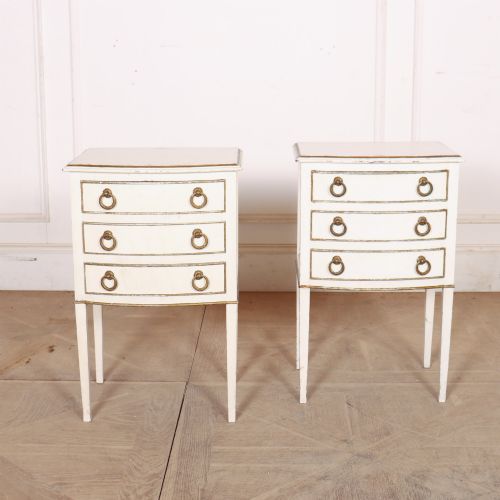
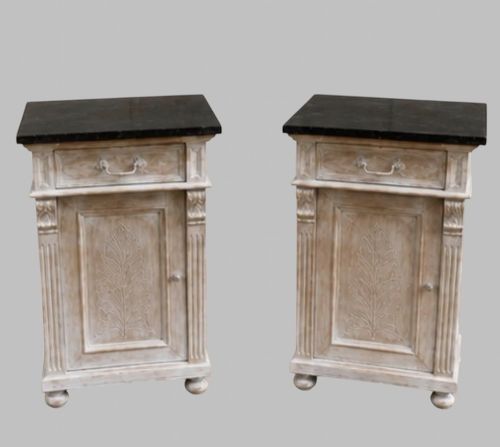
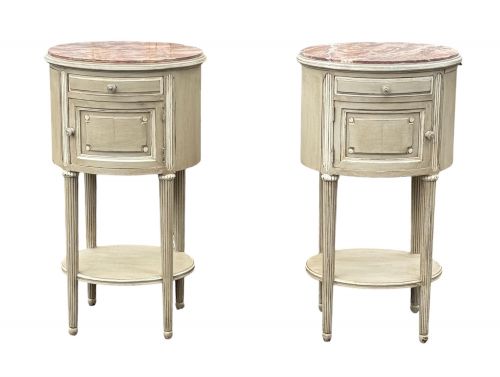
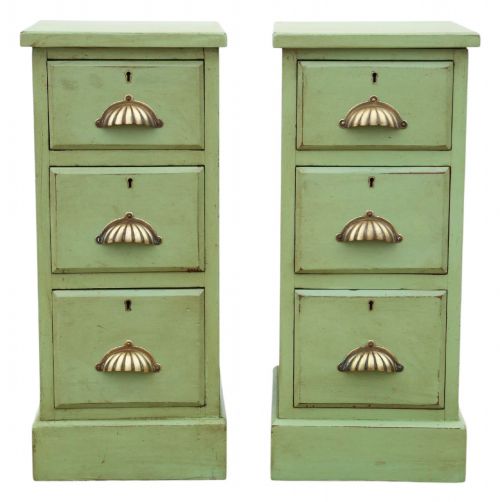
When you search for a painted wood nightstand pair, you are looking at matched sets of bedside storage designed for domestic use. The pieces appearing here span the nineteenth century and the early twentieth century, taking forms such as bedside chests, small commodes, and lamp tables.
The versions most commonly met on this page include Swedish Gustavian influenced pieces alongside French and English country styles. These designs offer functional surfaces and drawers or cupboards beneath, often finished with decorative painted surfaces.
How they were made
Pine and general wood provide the foundational carcase for these items, shaped into chests, commodes, and side tables. Makers applied paint finishes directly to the wood, sometimes incorporating gilt wood details or brass fittings.
Certain examples incorporate faux marble tops or genuine marble surfaces to add durability and a contrasting texture to the painted wooden structure.
Painted Wood Nightstand Pair Retail Price Guide 2026
Typical asking prices for painted wood nightstand pair among the pieces listed under this phrase on Sellingantiques today, from the lower quarter to the upper quarter. They describe what is for sale here now, not the wider market.
Listings feature pine and wood structures finished with paint, brass, and occasionally marble tops across nineteenth and early twentieth century periods.
What varies in quality
The standard of execution in the painted decoration separates the finer examples from ordinary utility pieces. Hand-applied decorative motifs, such as Chinoiserie scenes or delicate gilding, require greater skill than simple flat coats of paint.
Construction methods and the choice of supplementary materials also divide the range. Pieces utilising marble tops or superior hardware demonstrate a higher grade of manufacture than basic pine tables.
The Painted Wood Nightstand Pair Glossary
- Gustavian
- A Swedish neoclassical style originating in the late eighteenth century, known for pale painted finishes and restrained classical ornamentation. This aesthetic often influences nineteenth century Scandinavian bedside pieces.
- Chinoiserie
- European decorative style imitating Chinese artistic traditions, typically featuring painted motifs of figures, landscapes, and flora. It appears on early twentieth century English side cabinets.
- Commode
- A low chest of drawers or cabinet with doors, functioning as bedside or occasional furniture. The term covers various two-drawer and cupboard forms seen in French and Swedish pieces.
- Faux marble
- A painted finish simulating the appearance of genuine stone on a wooden surface. It provides the visual weight of marble without the heavy mass.
Painted Wood Nightstand Pair: Frequently Asked Questions
How do I date a painted bedside pair?
Dating relies on examining construction methods, timber types, and stylistic indicators such as Gustavian or Edwardian design traits. Hardware and the ageing of the paint layers also provide clues to the period.
The listings here span the nineteenth century through to nineteen twenty, showing distinct regional influences from Sweden, France, and England.
Are matching pairs common for antique bedside tables?
Finding matching pairs from the nineteenth or early twentieth century is unusual because bedside tables were often made in smaller numbers or separated over time. Surviving pairs usually originate from larger bedroom suites or commissioned sets.
Most items found on this page are matched sets of two, offering symmetrical placement beside a bed.
Can I use these tables for modern lamps?
These tables provide stable surfaces suited for modern lighting, books, and bedside items. Their dimensions accommodate standard bedside lamps while offering drawer or cupboard storage below.
Checking surface dimensions helps ensure compatibility with specific lamp bases.
How do I care for painted wood surfaces?
Maintaining painted antique furniture involves dusting with a soft, dry cloth and avoiding harsh chemical cleaners that might damage the historic finish. Placing coasters underneath liquids protects the wood and paint from moisture rings.
Keeping pieces away from direct heat sources prevents timber movement and paint cracking.