



French Neoclassical Decor
French neoclassical decor brings classical discipline and rich materials into a room, offering gilded bronze and carved marble from the eighteenth, nineteenth, and early twentieth centuries.
French Neoclassical Decor
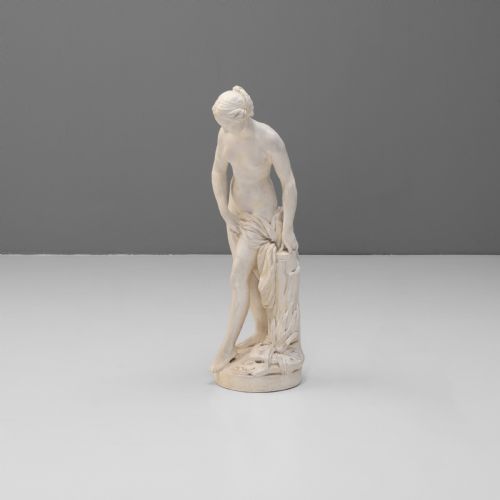
French neoclassical decor encompasses objects rooted in classical antiquity, revived across the eighteenth, nineteenth, and early twentieth centuries. These pieces reflect the architectural and decorative vocabularies of the Louis XVI and French Empire periods.
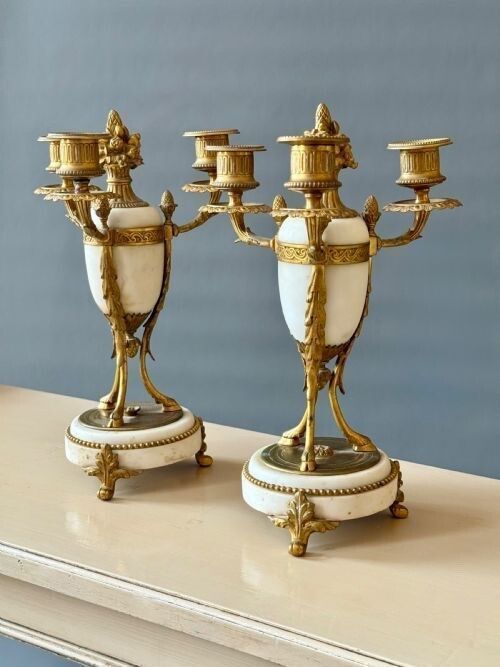
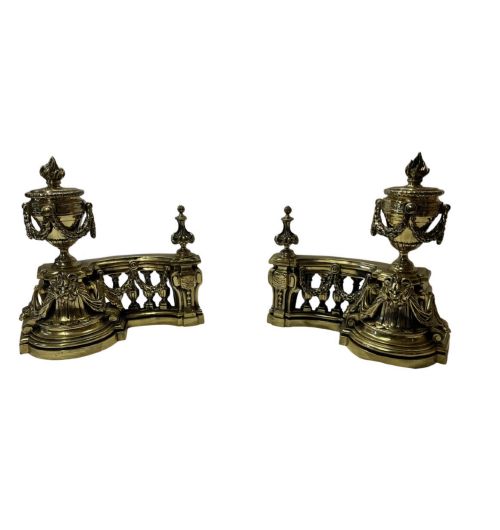
Buyers browsing this selection will frequently encounter lighting and fireplace furniture, specifically candelabra, candlesticks, and fire dogs. Gilt bronze and white marble feature prominently among these domestic metalwork items.
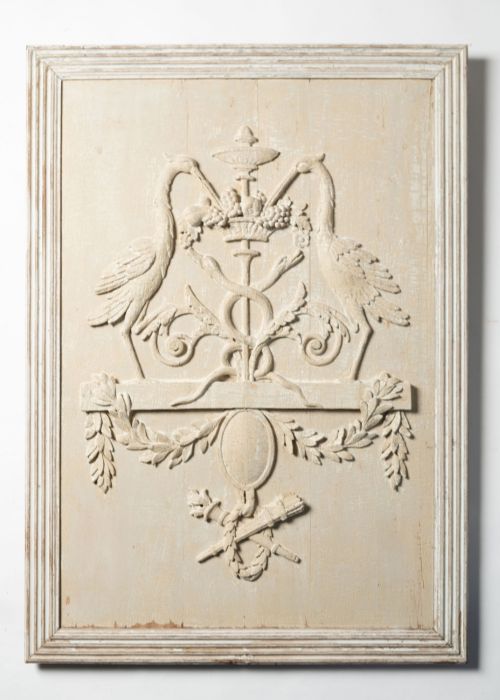
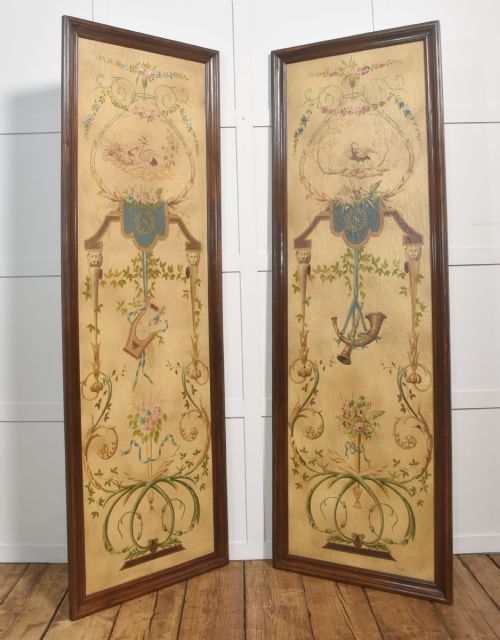
Wall art and architectural elements also define the category, ranging from painted decorative panels and carved wooden wall panels to corbels and wall brackets. These decorative elements bring traditional French chateau interiors into domestic spaces.
Materials and Manufacture
Metalwork forms the backbone of these pieces, utilising gilt bronze and ormolu alongside standard bronze. Artisans shaped these metals into detailed lighting and hearth accessories, often highlighting the forms with gold leaf.
Carved stone and marble provide solid plinths and mounts, particularly white marble and sienna marble. Wood carving appears on panels and architectural brackets, while canvas and paint serve as the medium for decorative wall art.
French Neoclassical Decor Retail Price Guide 2026
Typical asking prices for french neoclassical decor among the pieces listed under this phrase on Sellingantiques today, from the lower quarter to the upper quarter. They describe what is for sale here now, not the wider market.
A nineteenth-century ram's head makes an appearance alongside classical cupids, cherubs, and portraits of Marie Antoinette.
Distinguishing Quality
The choice of materials also marks the tier of an object, such as the use of unblemished white marble or rich sienna marble plinths instead of simpler timber supports.
E F Caldwell New York·Jean Baptiste Isabey·Sevres
The French Neoclassical Decor Glossary
- Ormolu
- Gilded bronze used widely in French decorative arts. It involves applying a fine layer of gold amalgam to a bronze base.
- Tazza
- A shallow cup or plate mounted on a stem and foot. These function primarily as decorative vessels or centrepieces.
- Caryatid
- A sculpted female figure serving as an architectural support. They appear frequently on nineteenth-century candlesticks and wall brackets.
- Biscuit porcelain
- Unglazed, white ceramic with a texture resembling fine marble. It is commonly used for portrait busts and classical figures.
- Fire dogs
- Andirons used to support logs in an open fireplace. French examples often feature elaborate cast bronze ornamentation.
French Neoclassical Decor: Frequently Asked Questions
What defines French neoclassical decor?
French neoclassical decor draws inspiration from the art and architecture of classical antiquity, focusing on symmetry, proportion, and restraint.
The style manifests in domestic items like bronze candlesticks, marble plinths, and painted decorative wall panels.
How do I identify a nineteenth-century piece?
Nineteenth-century items often borrow motifs from earlier periods, such as the Louis XVI style or the later French Empire.
Examination of the bronze casting techniques, marble types, and gilding methods helps determine the precise period of manufacture.
Where should I place wall panels?
Carved wooden panels and painted decorative canvases work well as focal points above doorways or integrated into wall panelling.
Their design allows them to bring an architectural element of a French chateau into smaller rooms.
How do I care for gilt bronze?
Gilt bronze requires gentle dusting with a soft, dry cloth to prevent the accumulation of dirt on the metal surface.
Harsh cleaning agents or abrasive polishes must be avoided to protect the underlying gold leaf and ormolu finishes.