



French Modernist Painting
French modernist painting brings together mid-century oil and gouache works from decades of bold experimentation.
French Modernist Painting
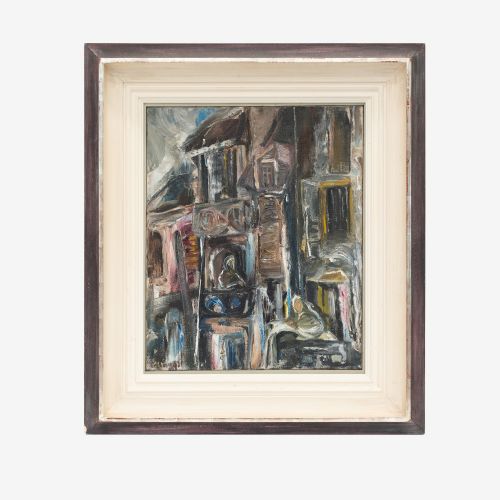
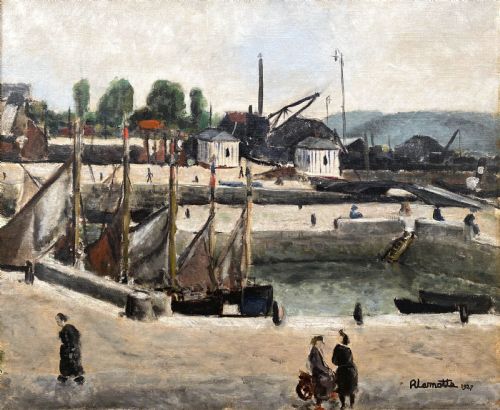
A french modernist painting captures subjects ranging from Mediterranean landscapes and Parisian street scenes to intimate figures and still lifes, reflecting the artistic shifts of the twentieth century. You will most frequently encounter oil on canvas and gouache on paper originating from periods spanning the 1920s to the 1960s.
The works encompass diverse aesthetics, including Art Deco, Fauvism, Cubism, and Mid-Century Modernism. Compositions vary from figurative depictions of nudes and harbour scenes to abstracted landscapes and surrealist arrangements.
Makers and artists of the era documented here include figures working across France, Provence, Brittany, and Paris. Their output reflects the vibrant avant-garde movements that defined the period's fine art.
Materials and Techniques
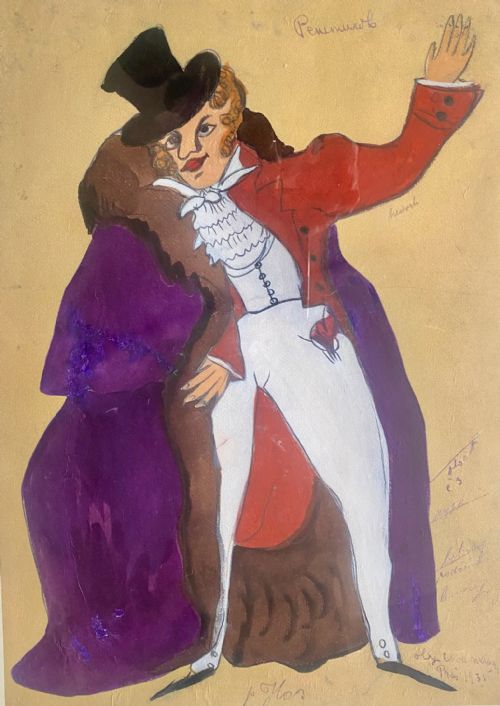
Artists relied primarily on oil paint applied to canvas, wood panels, or boards, alongside water-based media such as gouache, ink, and watercolour on paper. Some compositions incorporate encaustic techniques or mixed media mounted across paper and canvas supports.
Support materials range from traditional stretched canvas to sturdy boards and heavy paper. Framing often includes period surrounds that complement the modernist aesthetic of the central imagery.
Materials recorded across the selection include canvas, oil paint, paper, gouache, wood, ink, and glass.
Distinctions in Quality
Quality rests upon the strength of the composition, the handling of pigment, and the clarity of the artist's vision. Stronger works demonstrate confident brushwork and a cohesive palette whether depicting a bustling harbour or a quiet interior.
Provenance and documentation also distinguish individual pieces. Works with clear attribution to recognised mid-century painters or documented exhibition histories carry greater weight within the category.
Paul Bret·Lilian Colbourn·Olga Choumansky·Raymond Moritz·Gabriel Dauchot·Pinchus Kremegne·Yo Mayer·Andre Delfau·Lamotte·Kees van Dongen·Yves Brayer·Archille Zavatta·Claude Mendelovic
The French Modernist Painting Glossary
- Gouache
- An opaque water-based medium that yields flat, vibrant areas of colour on paper or board. It was widely utilised by modernist painters for preparatory sketches and finished works alike.
- Encaustic
- A painting technique involving heated beeswax mixed with coloured pigments. This method creates a textured, durable surface.
- Avant-garde
- A descriptor for art that pushes the boundaries of traditional forms and experimental techniques. It defines much of the progressive work produced in twentieth-century France.
- Cubism
- An early twentieth-century style that breaks subjects down into geometric planes and multiple viewpoints. Traces of this approach appear in several modernist still lifes and landscapes.
- Fauvism
- A style characterised by strong colours and painterly qualities rather than realistic values. The approach appears across vibrant landscape and figure compositions.
French Modernist Painting: Frequently Asked Questions
What subjects do these paintings show?
The works depict a wide variety of subjects including Parisian street scenes, Mediterranean landscapes, harbour views, and floral still lifes. Figurative studies of nudes and theatrical characters also feature prominently.
Compositions often blend traditional genres with modernist abstractions, capturing everyday life, rural scenes, and bohemian interiors through an experimental lens.
How should I care for a gouache on paper?
Gouache works on paper require protection from direct sunlight to prevent fading of the water-based pigments. Framing behind conservation-grade glass helps shield the delicate paper and pigment surface.
Keep the works in stable environmental conditions away from excessive moisture and extreme temperature fluctuations to preserve the paper support.
How do I identify a mid-century piece?
Mid-century pieces are identified through their stylistic use of simplified forms, bold palettes, and experimental approaches to perspective. The listed works draw on movements from the 1920s through the 1960s.
Examining the canvas preparation, framing materials, and any artist signatures or dates inscribed on the reverse provides further context for dating.
Were these painted only in oil?
No, artists of this era worked across multiple mediums depending on their immediate goals. While oil on canvas is common, gouache on paper, watercolour, ink, and encaustic are also recorded.
Supports vary accordingly from stretched canvas to wood, board, and heavy paper, each offering a different texture and finish to the final composition.