



French Mirror C1880
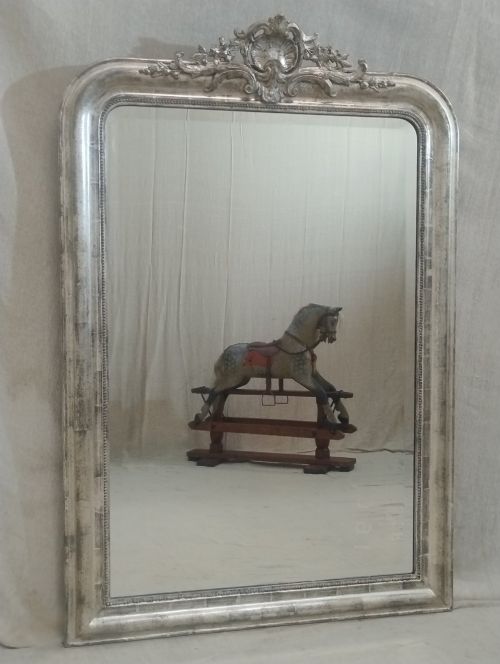
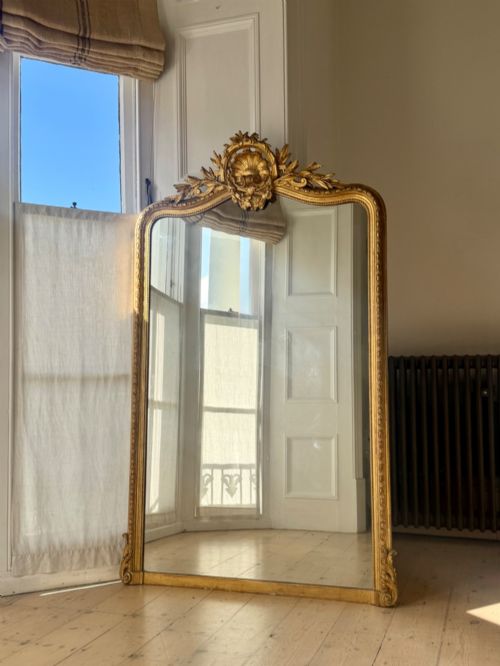
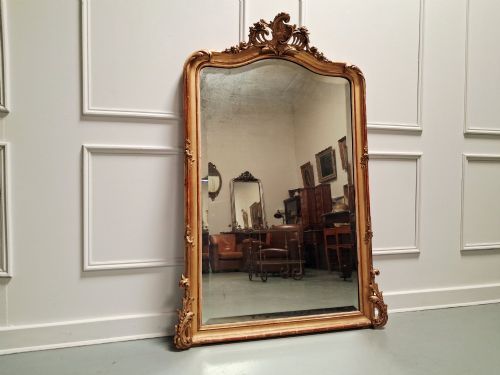
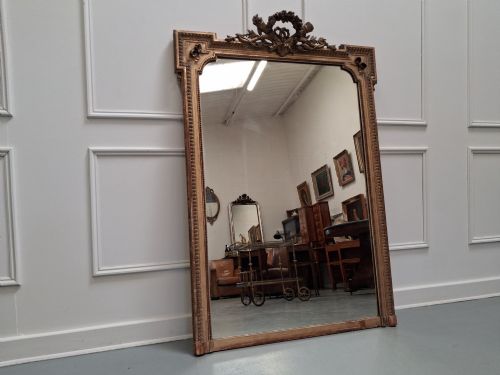
A french mirror c1880 brings architectural presence and bright reflection to a room, cast in rich giltwood and gesso.
French Mirror C1880
A french mirror c1880 represents the ornate decorative arts of the late nineteenth century, taking the form of wall mirrors, overmantels, and full-length dressing glasses. These pieces draw heavily on historical French aesthetics, spanning Rococo Revival, Louis XV, and Louis XVI styles.
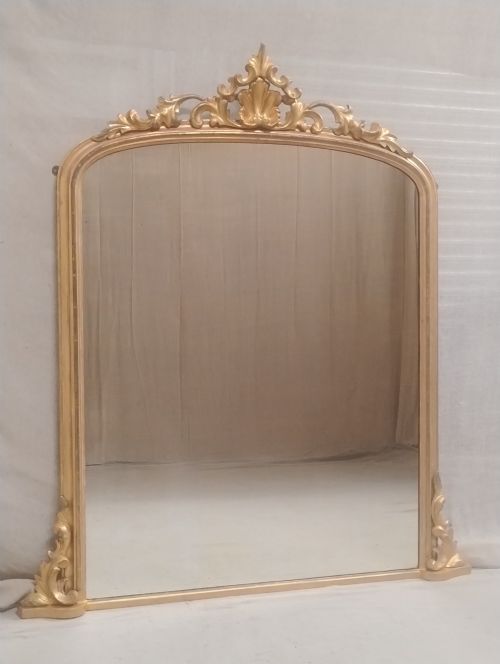
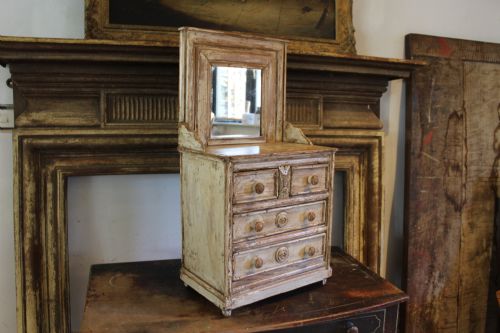
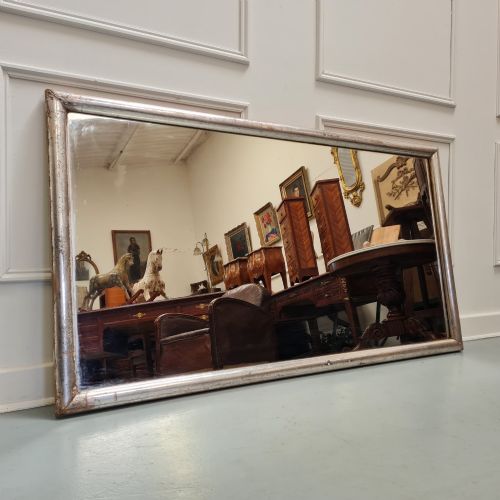
The versions most commonly met on this page are large wall mirrors and crested overmantels finished in bright gilding. Alongside these monumental wall pieces, the selection occasionally encompasses intimate decorative items such as miniature apprentice chests of drawers.
Originating predominantly from the 1880 period, these mirrors demonstrate the enduring popularity of continental designs within British interiors of the era. Their substantial scale makes them natural focal points for principal rooms.
Materials and construction
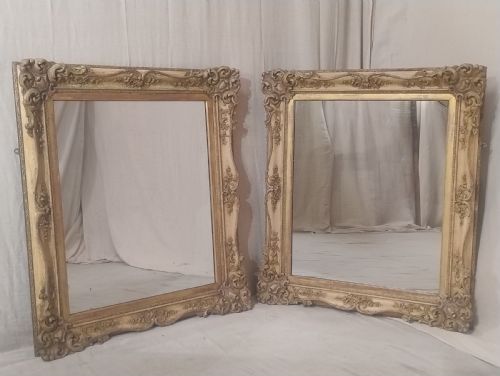
The structural framework typically relies on timber such as pine, providing a stable base for intricate ornamentation. Artisans applied layers of gesso and plaster over the wooden carcase to model high-relief scrolling foliage, crests, and cartouches.
Surfaces received either gold leaf or silver leaf application, sometimes revealing underlying boluses such as red clay beneath the metallic sheen. Silver gilt bistro variants and parcel gilt accents demonstrate the varied finishing techniques employed by period makers.
French Mirror C1880 Retail Price Guide 2026
Typical asking prices for french mirror c1880 among the pieces listed under this phrase on Sellingantiques today, from the lower quarter to the upper quarter. They describe what is for sale here now, not the wider market.
Distinctions in quality
Quality reveals itself in the depth and crispness of the gesso moulding, where finer examples display sharp, undercut botanical relief rather than soft, muddy casting. The complexity of the cresting and the integration of the wooden frame dictate the artisan skill invested in the piece.
The preservation of the original leaf gilding and the clarity of the antique glass plate set exceptional pieces apart. Uniformity in the metallic lustre and the structural integrity of the heavy pine foundations complete the measure of superior manufacture.
The French Mirror C1880 Glossary
- Giltwood
- Wood that has been coated with gold leaf. This material forms the gleaming primary structure of most grand wall mirrors.
- Gesso
- A plaster-like mixture applied to wood frames. Artisans carved and moulded this substance to create raised decorative motifs before gilding.
- Overmantel
- A large mirror designed to hang above a fireplace mantelpiece. These pieces often feature expansive horizontal proportions and elaborate crests.
- Parcel Gilt
- A finishing method where only specific portions of an object receive gold leaf. This technique highlights particular carved details against a contrasting background.
- Rococo Revival
- A nineteenth-century design movement favouring asymmetrical scrolls, shell motifs, and naturalistic curves. It dominates the ornamentation of these mirrors.
French Mirror C1880: Frequently Asked Questions
How do I hang a heavy antique overmantel mirror?
These substantial pieces require secure fixing directly into structural wall studs using heavy-duty brackets. Professional installation is strongly advised due to the considerable weight of the timber and glass.
Ensure the hanging wire or integrated D-rings match the load capacity of the frame. Distributing the weight evenly prevents warping of the pine structure over time.
Where should I place a large wall mirror?
Positioning the glass opposite a window maximises natural light distribution across the room. This placement creates an illusion of greater depth in compact spaces.
Overmantels naturally anchor the hearth area, while full-length dressing mirrors suit bedrooms or dressing rooms. Keep them away from direct, harsh moisture sources to protect the gesso and leaf.
How do I clean antique mirror glass and giltwood?
Dust the carved frame gently with a soft, dry brush to prevent accumulating grime in the recessed gesso work. Avoid commercial chemical sprays which can strip or discolour the delicate leaf finish.
Clean the glass plate sparingly with a slightly damp cloth, taking care not to let moisture seep beneath the edge of the frame. Water contact can damage the historic backing and wood.
How can I tell an 1880 mirror from a modern reproduction?
Examine the backboards, fixings, and the nature of the glass plate for signs of age. Period pine shows characteristic drying, shrinkage, and hand-cut joinery methods.
Original mirror plates frequently exhibit minor foxing, tiny speckles, or slight distortions within the reflection. Modern reproductions typically feature flawless glass and machine-milled components lacking organic variation.