




French Military Bronze
French military bronze items capture the martial history of the nineteenth century through detailed metalwork and sculptural figures.
French Military Bronze
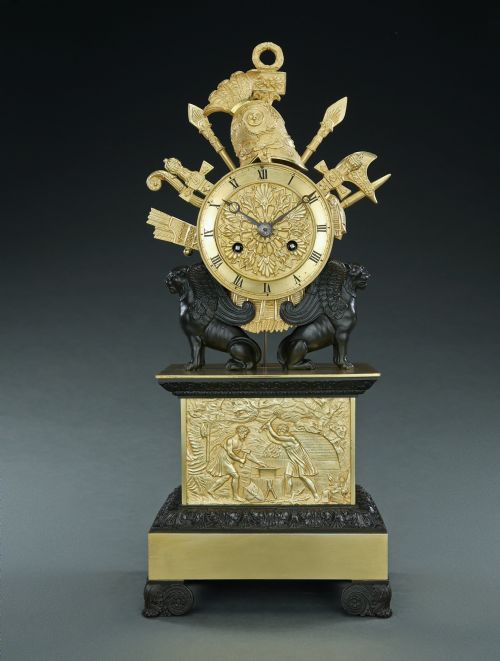
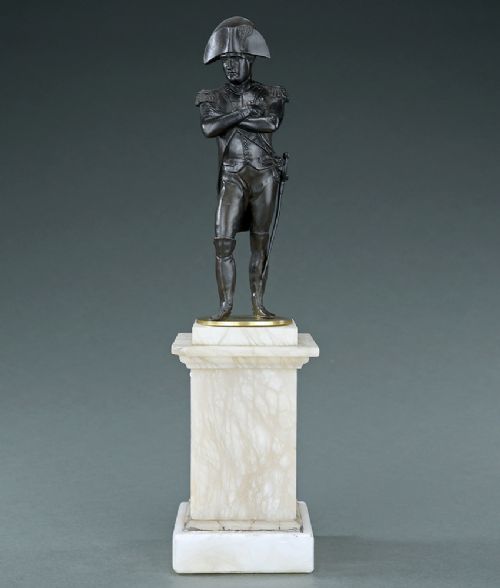
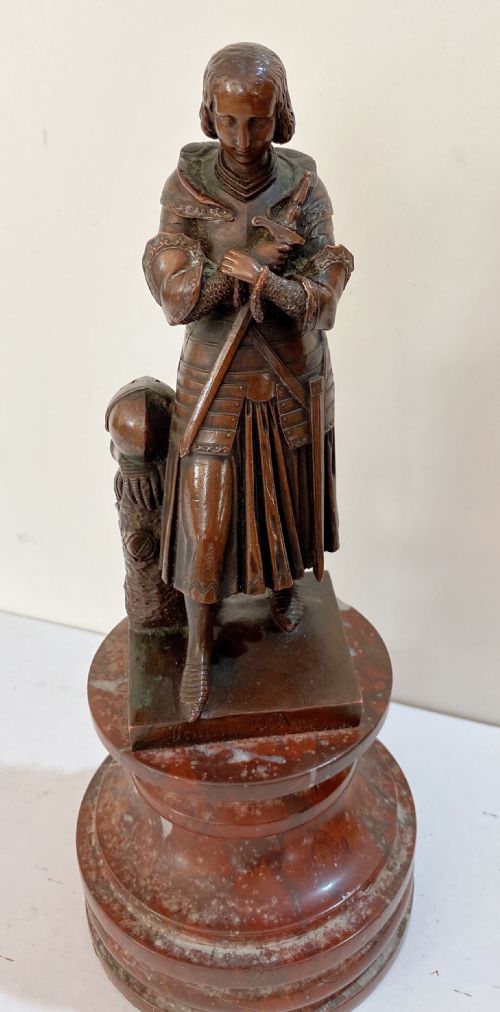
French military bronze pieces comprise sculptural figures, mantel clocks, and scale models dating predominantly from the nineteenth century. These works depict historical figures, notable soldiers, and artillery subjects set within styles such as French Empire and 19th Century Orientalist.
Buyers encountering this category will frequently find representations of Napoleon Bonaparte alongside figures like Jeanne d'Arc and Saladin. Many of these sculptures and clock garnitures rest on marble bases, utilising materials recorded across the nineteenth century from the Regency period through the Victorian era.
Materials and construction methods
The objects combine cast bronze with contrasting patination, gilt bronze, and ormolu finishes. Foundries employed traditional metal casting techniques to achieve fine detail on figures and decorative elements.
French Military Bronze Retail Price Guide 2026
Typical asking prices for french military bronze among the pieces listed under this phrase on Sellingantiques today, from the lower quarter to the upper quarter. They describe what is for sale here now, not the wider market.
Listings feature nineteenth century periods including the Regency and Victorian eras alongside French Empire styles.
Factors distinguishing quality
Quality depends upon the crispness of the casting and the precision of the chasing work on the metal surface. Finer examples retain sharp facial expressions and clear uniform details on military attire.
The selection and finish of the supporting marble base alongside the depth and complexity of the bronze patina influence the overall execution of the piece.
Emile Guillemin·E.H. Dumaige·James Pradier·C. Anfrie
The French Military Bronze Glossary
- Patinated bronze
- Bronze that has been chemically treated to produce a specific surface colour or dark finish. This process highlights sculptural contours and protects the metal.
- Ormolu
- A gilded bronze technique utilising a mercury amalgam applied to the base metal. It yields a rich gold-coloured surface common on decorative clock mounts.
- French Empire
- A neoclassical design style spanning the early nineteenth century characterised by martial motifs. It draws heavily on ancient Roman and military triumph themes.
- Sienna Marble
- A yellow decorative marble with dark veining originating from Italy. It frequently serves as a contrasting base for cabinet bronzes and mantel clocks.
- Spelter
- A zinc alloy used as a substitute for bronze in decorative figures. It is softer and lighter than true bronze.
French Military Bronze: Frequently Asked Questions
What periods do these bronzes cover?
The available pieces span the nineteenth century, including the Regency period, the French Empire era, and the later Victorian years.
Most items date from foundational decades such as the eighteen-fifties, sixties, and nineties.
How were mantel clocks used?
Mantel clocks served as functional timepieces and decorative garnitures for formal reception rooms and libraries.
They often incorporated sculptural themes celebrating military campaigns and historical alliances.
Are scale models historically accurate?
Scale models like the Gribeauval field gun replicate actual historical artillery designs utilised by military forces.
They reflect the technical interest in military engineering during the nineteenth century.
How do I identify the subject?
Subjects are typically identified through inscriptions, stylistic attributes, and historical clothing details.
Prominent figures such as Napoleon Bonaparte and Jeanne d'Arc feature distinct uniforms and recognizable attributes.