



French Metal Bucket
These French metal bucket examples range from heavy copper grain measures to sleek Art Deco champagne coolers, offering utility and distinct regional character.
French Metal Bucket
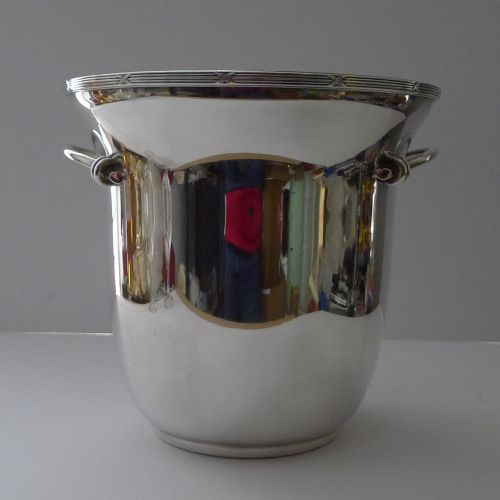
A french metal bucket encompasses a diverse array of utilitarian and decorative vessels originating from France, spanning from the nineteenth century through the Art Deco era of the 1930s and 1940s. Buyers searching this phrase typically encounter practical agricultural containers like copper grain measures and grape hods alongside hospitality items such as silver plate champagne coolers.
The domestic and fireside sphere is also represented through heavy brass coal baskets, iron cauldrons, and enamel pails with dual handles. Meanwhile, grander entertaining pieces include pewter restaurant champagne bowls and chrome ice buckets designed by prominent silversmiths.
How They Were Made
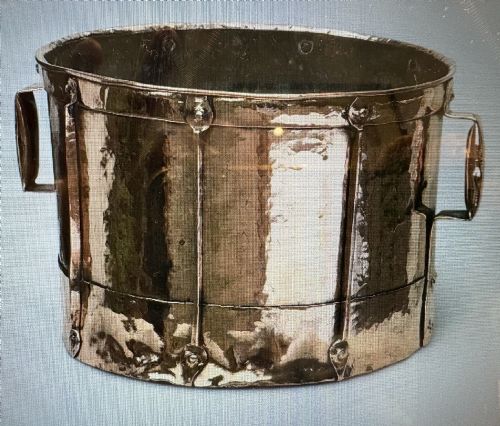
The fabrication relies heavily on traditional metalworking methods applied to copper, brass, iron, and zinc, often shaped into robust cauldrons, hods, and planters. Copper vessels such as the Ferrat grain measures utilise durable sheet metal construction, frequently joined with visible rivets and reinforced rims.
Silver plating, dinanderie work, and chrome plating define the more refined hospitality pieces from the twentieth century. Manufacturers combined base metals with heavy silver plate or executed intricate embossed patterns and smooth geometric profiles typical of the Art Deco period.
French Metal Bucket Retail Price Guide 2026
Typical asking prices for french metal bucket among the pieces listed under this phrase on Sellingantiques today, from the lower quarter to the upper quarter. They describe what is for sale here now, not the wider market.
Grape hottes were once strapped to tired backs in French vineyards, only to retire gracefully as heavy-duty umbrella stands.
What Varies in Quality
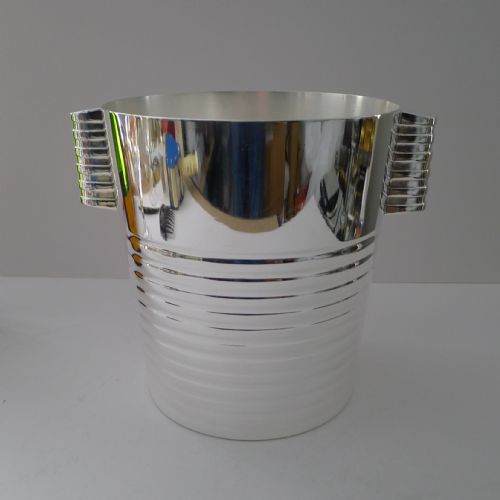
The distinction between everyday utilitarian vessels and elite pieces rests upon designer attribution, material weight, and stylistic execution. Items produced by major silversmithing houses like Christofle, particularly those designed by Luc Lanel, display superior metal gauge, sophisticated surface treatments like the Ondulations and Vulcan motifs, and refined proportions.
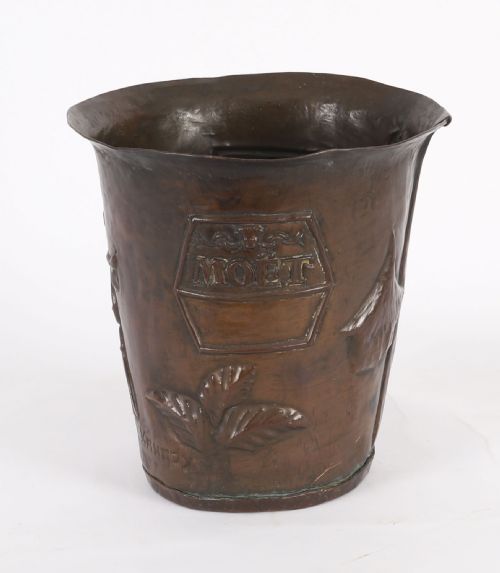
Conversely, rustic agricultural gear such as grape hottes and iron cauldrons derive their merit from honest patination, structural integrity, and the depth of hand-hammered detailing. The quality of a piece is therefore judged by how successfully its material and form match its intended historical function.
Luc Lanel·Christofle·Petrus Ramus
The French Metal Bucket Glossary
- Ferrat
- A traditional French copper grain measure or container, typically cylindrical with riveted construction. These vessels originated from agricultural use before finding favour in interior decoration.
- Dinanderie
- A term for objects made of beaten brass, copper, or bronze, often associated with decorative Art Deco vessels and large planters. The technique yields rich, textured metallic surfaces.
- Hotte
- A traditional French carrying basket or hod, often strapped to the back during grape harvesting. In metal form, these deep, tapering containers served agricultural transport.
- Gallia
- A high-quality alloy and subsidiary brand utilised by the Christofle silversmithing firm for plated metal wares. Pieces bearing this mark denote superior mid-century French manufacture.
- Ondulations
- A distinct decorative pattern featuring rhythmic, wave-like fluting on metal champagne coolers. This surface treatment is closely associated with designer Luc Lanel.
French Metal Bucket: Frequently Asked Questions
What were copper Ferrats used for?
These nineteenth-century copper vessels served as agricultural grain measures in French farming communities, built with sturdy handles for heavy lifting.
Today, buyers repurpose them as planters, umbrella stands, or decorative fireside bins in homes.
How do I identify an Art Deco champagne bucket?
Art Deco champagne buckets usually feature streamlined geometric forms, chrome or silver plate finishes, and distinctive motifs like the Vulcan or Ondulations designs from the 1930s and 1940s.
They often bear maker marks from renowned French silversmiths on the base.
What is a French grape hotte?
A hotte is a traditional deep carrying hod that workers wore during grape harvesting in French vineyards to transport the gathered fruit.
Metal examples from the nineteenth century are now collected as rustic decorative objects or garden planters.
Where were pewter champagne bowls used?
Pewter champagne bowls and wine coolers were commonly utilised in Parisian restaurants and bistros during the early twentieth century.
Their heavy metal construction kept wine chilled during busy service before they entered the antique market.