


French Mechanical Table
A french mechanical table brings together intricate engineering and domestic elegance, uniting fine cabinetry and precision movement into a single purposeful object.
French Mechanical Table
When searching for a french mechanical table, buyers encounter an intriguing crossover of horological and cabinet-making traditions spanning the nineteenth and early twentieth centuries. These pieces encompass sophisticated occasional tables, dressing tables, and writing desks alongside clockwork items designed for desktop and mantel use.
Materials and construction
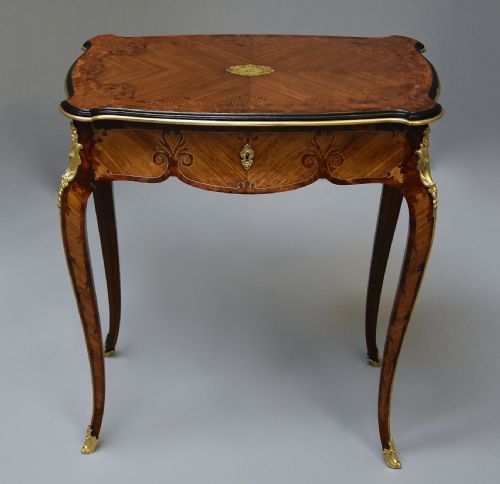
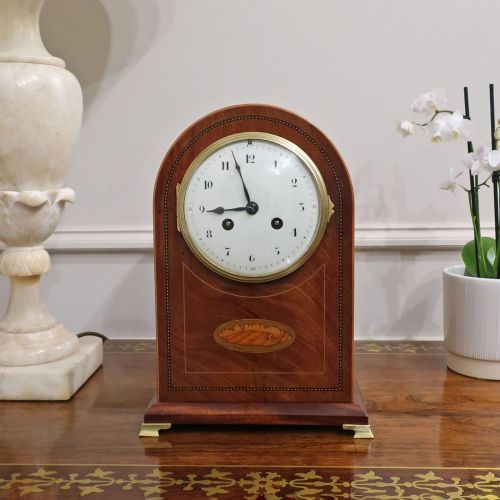
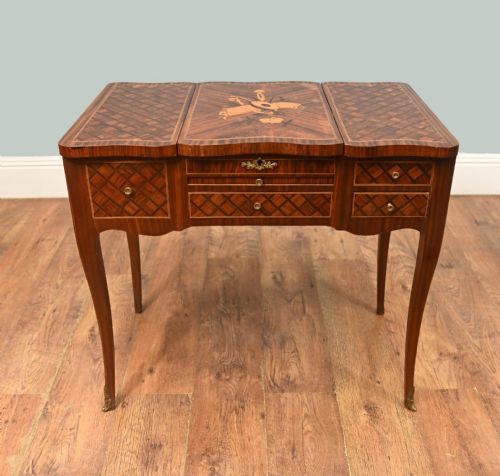
Maker workshops utilised traditional hardwoods such as mahogany, kingwood, rosewood, and walnut, frequently pairing them with satinwood marquetry or bronze mounts. These timber frames were built to house complex internal mechanisms while maintaining refined exterior proportions.
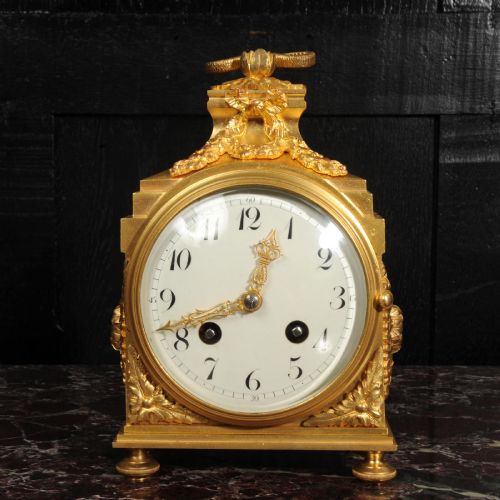
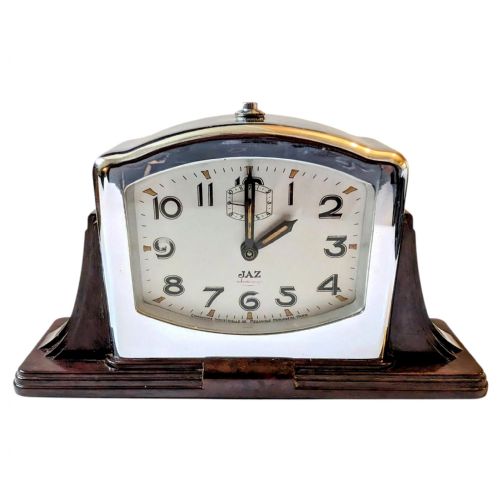
Metalwork played an equally vital role, with brass, gilt brass, ormolu, and chrome forming the structural housings and decorative dials of the timepieces. Enamel dials and glass panels were carefully integrated to protect the intricate gear trains and striking systems within.
Listings span multiple design periods from nineteenth-century Victorian production through to nineteen-thirties Art Deco.
Evaluating craftsmanship
The division between standard items and superior examples lies in the refinement of the internal mechanism and the crispness of the exterior case work. High-grade pieces exhibit complex repeating complications, seamless movement housing, and deeply detailed cast bronze or gilt brass ornamentation.
Cabinetry execution similarly separates the better specimens from the rest, visible in the precision of the marquetry, the selection of figured veneers, and the structural integrity of the moving parts. Superior pieces maintain crisp dial markings and unblemished enamel work alongside smooth mechanical operation.
Jaz·Jaeger·Samuel Marti·Henry Marc·Paul Garnier
The French Mechanical Table Glossary
- Carriage clock
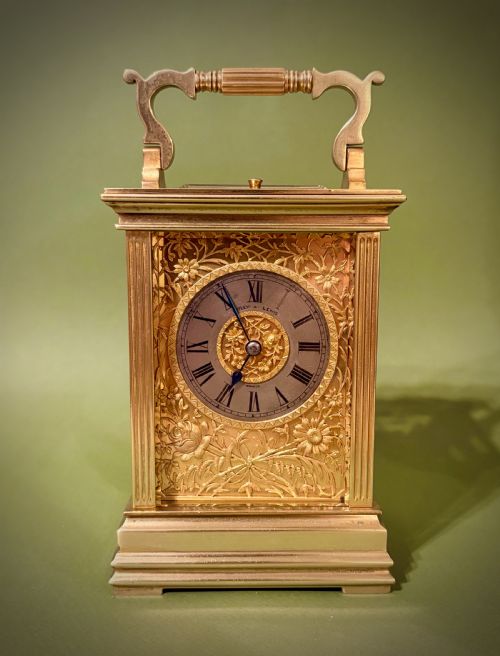
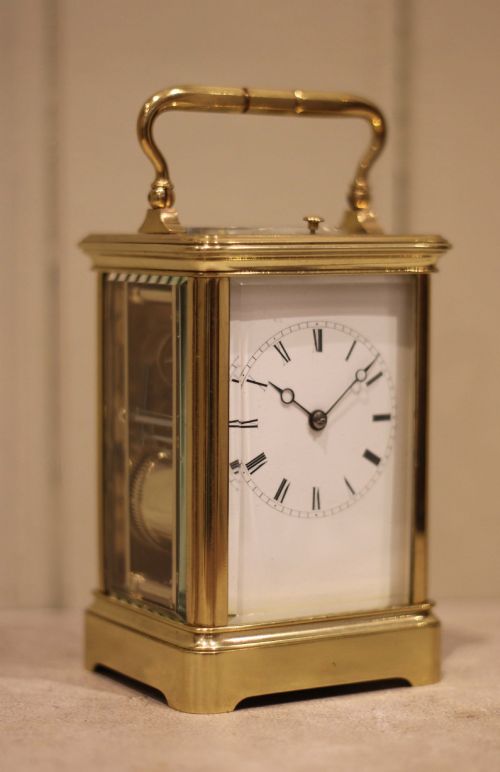
- A portable spring-driven timepiece originally designed for travel, housed in a brass case with glass panels. These typically feature a swinging escapement and a folding handle on top.
- Repeating movement
- A clock mechanism that chimes the hours and quarters upon demand when a lever or cord is activated. This complication required advanced gear assembly.
- Ormolu
- Gilt bronze ornamentation applied to furniture and clock cases, created by fusing a mercury and gold amalgam onto bronze. This surface treatment gives a rich golden lustre.
- Marquetry
- The art of applying thin slices of wood veneer to a structure to form decorative patterns. Craftsmen utilised contrasting timbers like mahogany and satinwood to achieve pictorial depth.
French Mechanical Table: Frequently Asked Questions
How do repeating mechanisms work?
A repeating mechanism sounds the last elapsed hour and quarter hours when a small lever is pressed on the case exterior. This allowed owners to check the time in darkness without striking a bell manually.
Such movements required precise micro-engineering by skilled horologists to coordinate the rack and snail components reliably.
Where were these pieces used?
Carriage clocks and desk timepieces found their place in studies, bedrooms, and travelling carriages for portable timekeeping. Larger mantel clocks and occasional furniture served as decorative and functional focal points in formal reception rooms.
Their dual nature as art objects and functional items suited the refined domestic interiors of the nineteenth and early twentieth centuries.
How do I identify Art Deco pieces?
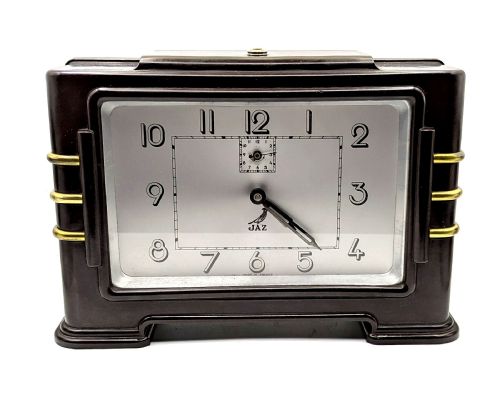
Art Deco examples dating from the nineteen-thirties utilise materials like Bakelite, chrome, and marble in place of traditional gilt brass and heavy timbers. The forms are characterised by streamline geometry and minimalist dial designs.
These later pieces reflect a distinct shift away from nineteenth-century revival styles toward industrial modernity.
What maintenance do mechanical clocks need?
Mechanical clocks require periodic professional cleaning and oiling to prevent wear on the brass gear trains and escapements. Regular winding keeps the mainspring tension consistent and ensures accurate timekeeping.
Avoiding placement near direct heat sources protects delicate wood veneers and enamel dial faces from cracking.